

Kabir: The Poet Who Sang for Everyone
Images
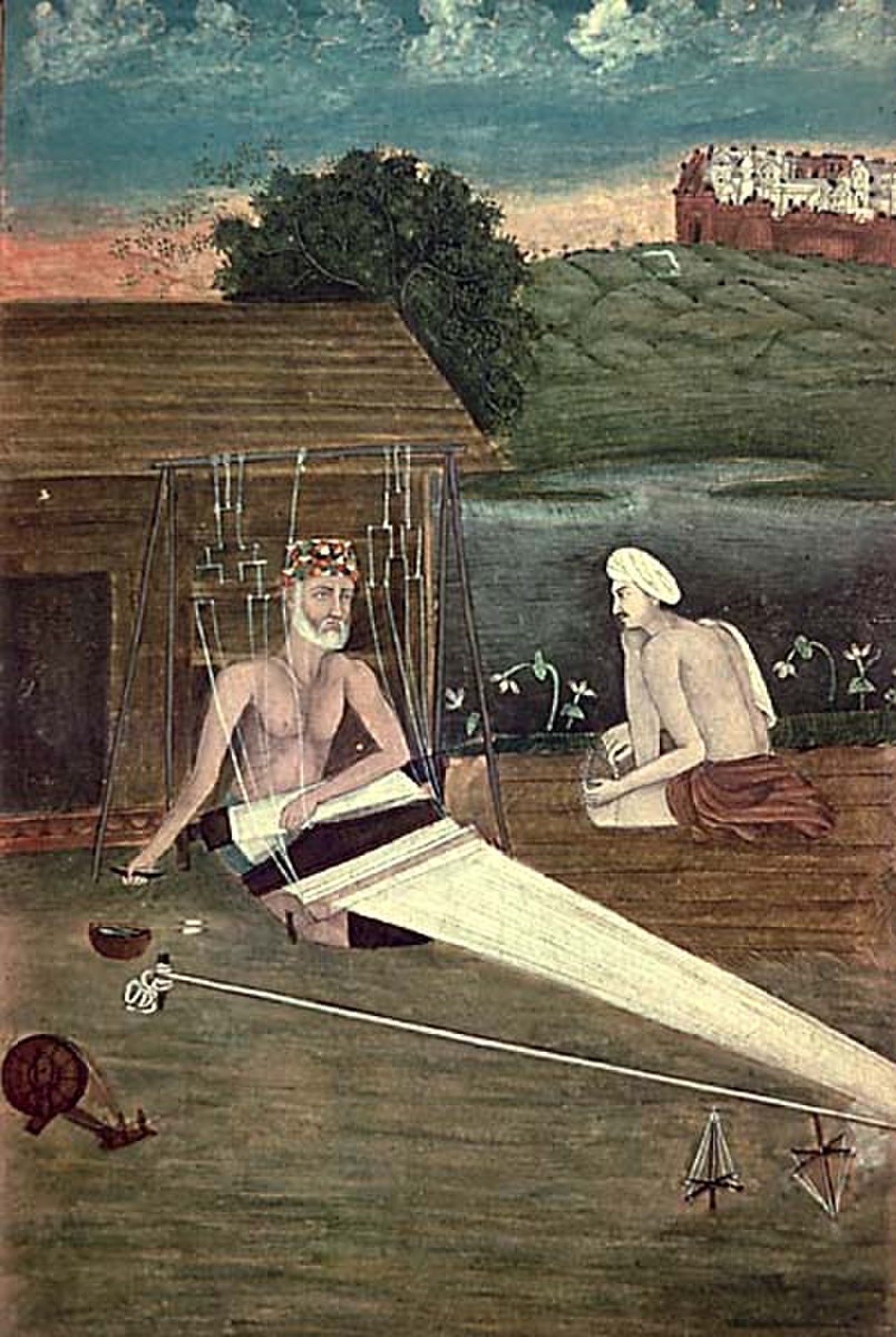
Kabir
The Maverick Mystic
Kabir (c. 1440–1518) was a pivotal figure in the Bhakti movement, a pan-Indian devotional religious reform movement that emerged in medieval India. Unlike many contemporaries who operated within established religious frameworks, Kabir positioned himself as an independent mystic, a weaver by trade, who fearlessly critiqued the rigid rituals, caste distinctions, and sectarian animosities prevalent in both Hinduism and Islam. His poetry, characterized by its directness and biting wit, served as a powerful instrument of social and religious commentary.
He denounced the hypocrisy of religious leaders, the futility of empty rituals, and the divisive nature of organized religion. His emphasis on an immanent, formless divine accessible through personal experience, rather than through priestly intermediaries or prescribed ceremonies, was revolutionary. This radical stance earned him both devoted followers and staunch opposition, cementing his reputation as a maverick who dared to question the status quo.
The Poetic Crucible
Kabir's genius lay not only in his philosophical insights but also in his masterful use of language and poetic form. He deliberately eschewed Sanskrit, the language of religious scholarship, in favor of vernacular dialects like Hindavi (early Hindi) and Bhojpuri. This choice democratized his message, making profound spiritual truths accessible to the common populace.
His verses, often referred to as 'sakhi' (witness) and 'doha' (couplet), are characterized by their conciseness, memorable aphorisms, and potent symbolism. He drew heavily from the everyday life of his time, employing metaphors related to weaving, farming, and domesticity to illustrate complex spiritual concepts. For instance, the soul is often depicted as a bride awaiting union with the divine groom, or the body as a pot that can either hold or spill the divine essence.
This rich tapestry of imagery, combined with his often paradoxical pronouncements, invites deep contemplation and personal interpretation, making his poetry eternally relevant.
Syncretism and Social Reform
The most enduring aspect of Kabir's legacy is his powerful advocacy for religious syncretism and social equality. He preached a message of universalism, asserting that the divine essence is one, regardless of the name or form attributed to it by different religions. This inclusive vision transcended sectarian boundaries, making him a revered figure across various Indian spiritual traditions, including Sikhism, where many of his verses are incorporated into the Guru Granth Sahib.
Beyond religious unity, Kabir was a staunch critic of the caste system, a deeply entrenched social hierarchy that dictated social status and interaction. His poetry consistently challenged the notion of inherited purity and pollution, advocating for a society where individuals are judged by their character and actions, not their birth. This commitment to human dignity and equality continues to inspire social justice movements today.
The Dissemination of Divine Echoes
Kabir's teachings were primarily disseminated through an oral tradition, a common practice in pre-modern India. He himself was a traveling mystic, engaging directly with people from diverse backgrounds, and his followers memorized and recited his verses. This method of transmission ensured the widespread circulation of his ideas but also led to variations in the exact wording of his poems over time.
The compilation of his works into recognized anthologies, such as the 'Kabir Granthavali,' occurred posthumously, solidifying his poetic corpus. Furthermore, the inclusion of numerous 'shabads' (hymns) and 'dohas' attributed to Kabir in the Sikh holy scripture, the 'Guru Granth Sahib,' underscores his significant influence and the widespread acceptance of his spiritual philosophy. This canonical integration highlights his role not just as a poet but as a foundational voice in the broader landscape of Indian spirituality.
Kabir's Relevance in the Modern World
In the 21st century, Kabir's message of unity, introspection, and critique of superficiality remains remarkably pertinent. As global societies grapple with religious extremism, political polarization, and social inequalities, his emphasis on the shared humanity that binds us offers a vital counter-narrative. His call to look beyond external labels and dogma towards an inner spiritual reality resonates with contemporary seekers of meaning.
Furthermore, his critique of blind adherence to tradition and his encouragement of critical thinking are essential in an age saturated with information and misinformation. Kabir's poetry serves as a timeless reminder that true spirituality lies not in rigid adherence to external forms but in the cultivation of compassion, wisdom, and an unwavering recognition of the divine spark within oneself and all beings. His work continues to inspire dialogue, foster interfaith understanding, and encourage personal transformation.
Go deeper
Frequently Asked Questions
Who was Kabir?+
What is a doha?+
Why did Kabir criticize rituals and the caste system?+
How did Kabir share his poems with others?+
What is Kabir's main message?+
Based on content from Wikipedia · Licensed under CC BY-SA 4.0