

Juan Sebastián Elcano
Images

Buque-escuela Juan Sebastián Elcano
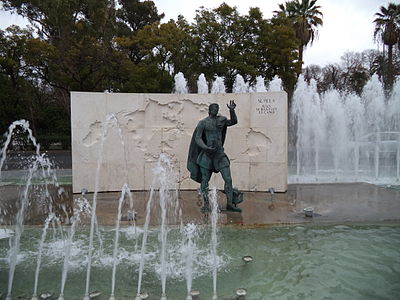


From Basque Mariner to Expedition Leader
Juan Sebastián Elcano (c. 1486/1487 – 1526) emerged from the maritime heartland of the Basque Country, Spain, to achieve a feat that would forever alter humanity's understanding of the planet. Initially a ship owner and experienced mariner, Elcano joined Ferdinand Magellan's ambitious expedition in 1519, not as the primary commander, but as a skilled navigator and captain of the ship Concepción. His early career was steeped in the practicalities of seafaring, trade, and naval warfare, providing him with the resilience and resourcefulness essential for the unprecedented challenges ahead.
Unlike Magellan, whose vision was grand and perhaps romantic, Elcano was known for his pragmatism and focus on the immediate survival and success of the voyage. This grounded approach would prove critical in the expedition's most desperate hours.
The Unforeseen Command and the Triumph of the Victoria
The Magellan expedition, intended to find a westward route to the lucrative Spice Islands, was fraught with peril. Internal conflicts, treacherous waters, and Magellan's eventual death in the Philippines in 1521 left the expedition in disarray. Command shifted precariously until Elcano, then captain of the Concepción, assumed leadership of the remaining ship, the Victoria.
Facing dwindling provisions, rampant disease (primarily scurvy), and the constant threat of Portuguese interception, Elcano made the audacious decision to continue westward, completing the circumnavigation rather than attempting a perilous return eastward. On September 6, 1522, the Victoria limped into Sanlúcar de Barrameda, Spain, with only 18 survivors. This harrowing journey, lasting three years, provided irrefutable proof of Earth's sphericity and the feasibility of global sea travel, fundamentally changing geographical knowledge and inspiring future exploration.
Royal Acclaim, Historical Ambiguity, and Enduring Symbolism
Elcano's return was met with immense fanfare and royal recognition. King Charles I of Spain honored him with a new coat of arms, featuring a terrestrial globe surrounded by the Latin inscription 'Primus circumdedisti me' ('You were the first to circumnavigate me'). This was a profound acknowledgment of his singular achievement. However, despite this pivotal role, Elcano remains a figure shrouded in historical ambiguity.
Original sources detailing his personal life, motivations, and exact contributions are scarce, leading to ongoing debates among historians regarding his character and the precise dynamics of command during the voyage. This scarcity contrasts sharply with the well-documented, albeit often controversial, narrative of Magellan, sometimes leading to Elcano being overshadowed in popular history, despite his crucial role in completing the mission.
A Second Expedition and a Navigator's End
The success of the first circumnavigation did not deter Elcano from further maritime endeavors. King Charles I, keen to solidify Spanish claims in the East Indies, entrusted Elcano with a significant role in another major expedition in 1525, led by García Jofre de Loaisa. Elcano served as the chief navigator and captain of the flagship.
This ambitious venture aimed to establish a Spanish presence in the Moluccas and assert control over the spice trade. However, the expedition was ill-fated from its inception. Storms ravaged the fleet shortly after departure, scattering the ships and causing significant losses.
Disease, particularly scurvy, continued to be a devastating factor on long voyages. Juan Sebastián Elcano succumbed to scurvy while at sea in the Pacific Ocean on August 4, 1526. His death marked the end of a remarkable career, but his accomplishment in completing the first circumnavigation remains one of history's most significant feats of exploration.
See also
Frequently Asked Questions
Who was Juan Sebastián Elcano?+
What ship did Elcano command on the circumnavigation?+
Why did Elcano choose to go west instead of returning east?+
How many people survived the voyage?+
Did Elcano receive any honors for his voyage?+
Based on content from Wikipedia · Licensed under CC BY-SA 4.0