

Jamaica
Images
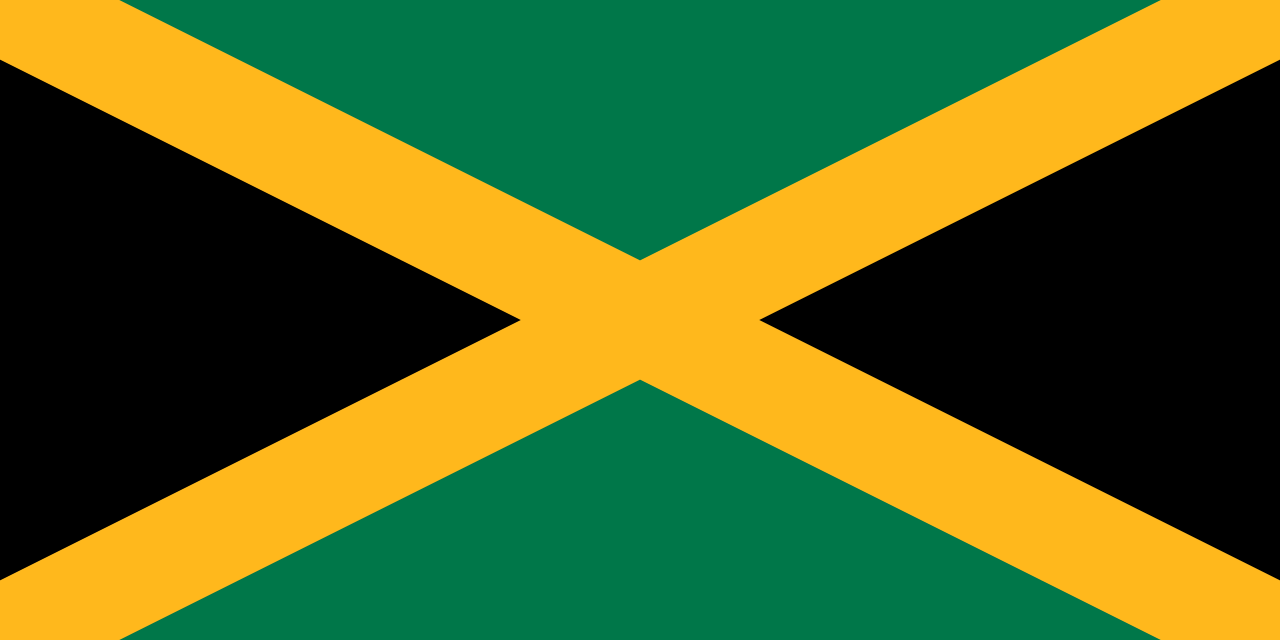
Jamaica
Opens Google Maps in new tab
Geopolitical Positioning and Environmental Tapestry
Jamaica occupies a strategic location within the Caribbean Sea, positioned as the third-largest island in the Greater Antilles, approximately 145 km south of Cuba and 191 km west of Hispaniola. Its geographical isolation has fostered a distinct cultural identity, yet its proximity to major shipping lanes has historically made it a point of interest for global powers. The island's topography is characterized by a coastal plain giving way to rugged mountainous interiors, most notably the Blue Mountains, which are a UNESCO World Heritage site renowned for their biodiversity and coffee production.
The tropical climate, with its distinct wet and dry seasons, supports a rich ecosystem but also presents challenges related to hurricanes and water management. The island's area of 10,990 square kilometers supports a population of 2.8 million, making it densely populated, particularly in urban centers like the capital, Kingston.
Cultural Hegemony
Jamaica's global influence far exceeds its physical size, primarily through its profound contributions to music and sports. It is the undisputed birthplace of reggae, a genre that transcended its island origins to become a worldwide phenomenon, advocating for social justice, peace, and spiritual consciousness. Artists like Bob Marley achieved global icon status, embedding Jamaican culture into the international consciousness.
Associated genres like ska, rocksteady, dub, and dancehall have also gained international followings. Furthermore, Jamaica has established itself as a powerhouse in athletics, particularly sprinting. The nation consistently produces world-class athletes who dominate international competitions, showcasing exceptional speed and dedication.
This cultural output, from music to athletic prowess, has cemented Jamaica's reputation as a 'cultural superpower'.
Historical Trajectory
The history of Jamaica is a complex narrative shaped by indigenous settlement, colonial conquest, and the enduring legacy of the transatlantic slave trade. Initially inhabited by the Taíno people, the island was colonized by Spain and later by Britain, becoming a major hub for sugar production reliant on enslaved African labor. The abolition of slavery in 1834 led to the importation of indentured laborers, primarily from India and China, further diversifying the island's ethnic and cultural makeup.
Jamaica achieved independence from British rule on August 6, 1962, embarking on a journey of self-determination. Post-independence challenges have included economic restructuring, managing a significant diaspora due to emigration since the 1960s, and fostering national unity amidst diverse heritage. The nation maintains a parliamentary constitutional monarchy, with King Charles III as head of state, represented by a Governor-General.
Economic Landscape
Jamaica's economy is significantly driven by tourism, which attracts an average of 4.3 million visitors annually, drawn by its natural beauty and vibrant culture. This sector is a crucial source of foreign exchange and employment. However, the nation's economic strategy also emphasizes diversification.
Key export commodities include bauxite (a primary component of aluminum), agricultural products like sugar, bananas, and its world-renowned Blue Mountain coffee. The service sector, including business process outsourcing, is also growing. Despite being classified as an upper-middle-income country, Jamaica faces challenges such as high public debt, unemployment, and vulnerability to external economic shocks and natural disasters.
Efforts are ongoing to foster sustainable growth and reduce economic disparities.
Governance and Societal Structure
Jamaica operates as a parliamentary constitutional monarchy, with a bicameral Parliament comprising an appointed Senate and a directly elected House of Representatives. The Prime Minister, currently Andrew Holness, leads the government, holding executive power. The Governor-General, appointed by the monarch, serves as the representative of the Crown.
This democratic framework allows for citizen participation through regular elections. The Jamaican society is predominantly of Sub-Saharan African ancestry, reflecting its historical roots, with significant minorities of European, East Asian (primarily Chinese), Indian, and Lebanese descent, contributing to a rich multicultural tapestry. The substantial Jamaican diaspora, particularly in the UK, Canada, and the US, plays a vital role in maintaining global connections and contributing to the island's economy through remittances.
Go deeper
Frequently Asked Questions
What is Jamaica known for?+
Where is Jamaica located?+
Why are the Blue Mountains special?+
How did Jamaica become independent?+
What is Jamaica’s main industry?+
Based on content from Wikipedia · Licensed under CC BY-SA 4.0