

Iron: The Super Strong Metal!
Images
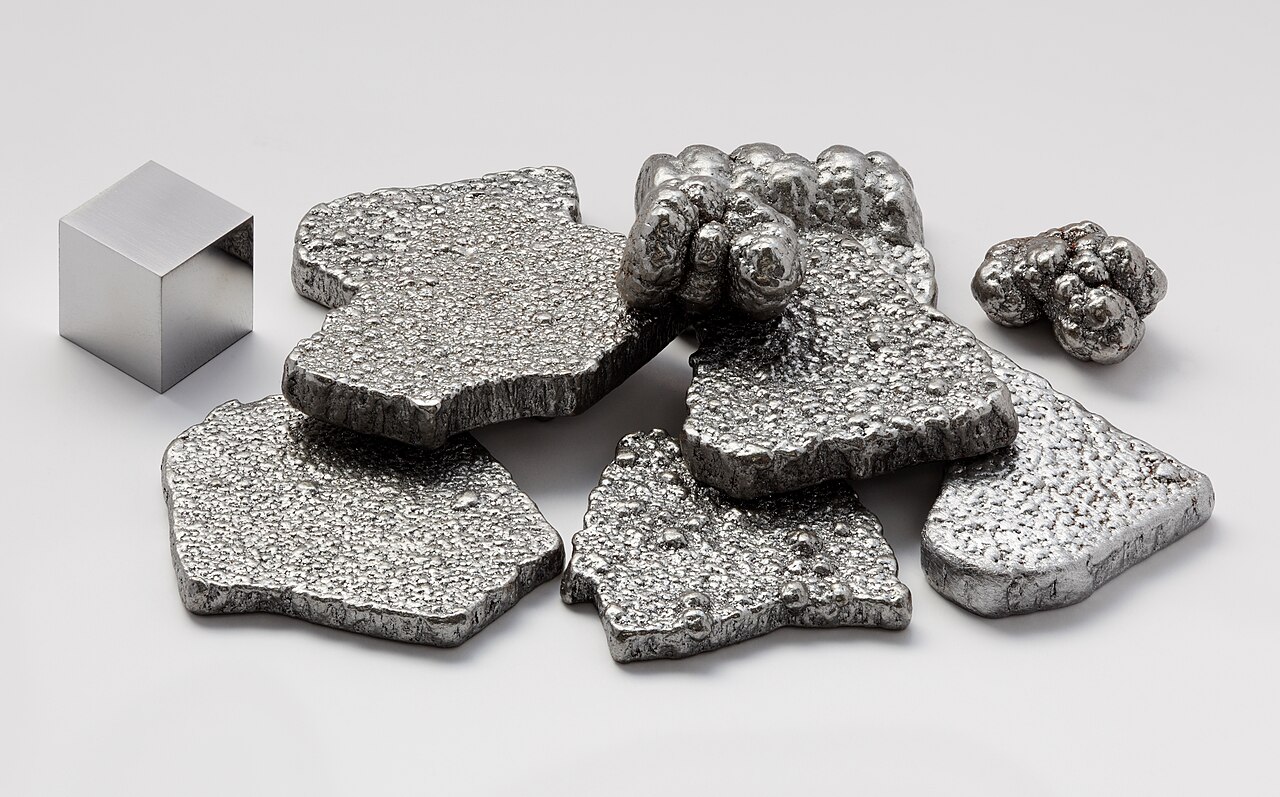
Iron
Geological Foundation
Iron (Fe, atomic number 26) is a cornerstone element of our planet, holding immense geological significance. It is the most abundant element by mass within Earth, primarily concentrated in its outer and inner core, contributing substantially to the planet's magnetic field generation. Its presence extends to the mantle and crust, where it is the fourth most abundant element.
Historically, much of the accessible iron on Earth's surface was initially deposited via meteorites, remnants from the early solar system. Extracting usable metallic iron from its common oxide ores necessitates advanced pyrometallurgical techniques, requiring kilns or furnaces capable of reaching extreme temperatures of approximately 1,500 °C (2,730 °F). This high thermal threshold distinguishes iron smelting from that of earlier metals like copper.
The Iron Age Revolution
The mastery of iron smelting, achieved in Eurasia during the 2nd millennium BC, marked a pivotal moment in human history. The subsequent widespread adoption of iron tools and weapons, displacing copper alloys around 1200 BC in many regions, ushered in the Iron Age. This transition was not merely technological; it fundamentally reshaped societies.
Iron's greater abundance and lower cost compared to bronze allowed for the production of more numerous and effective implements for agriculture, enabling increased food production and population growth. Furthermore, iron weaponry provided military advantages, influencing the dynamics of power and conflict. The economic and social ramifications of this shift were profound, laying the groundwork for subsequent civilizations.
Biochemical Essentiality
Beyond its geological and historical impact, iron is biochemically indispensable for virtually all known life forms. In adult humans, approximately 4 grams of iron are present, constituting about 0.005% of body weight. Its primary roles are mediated through two critical proteins: hemoglobin and myoglobin.
Hemoglobin, the oxygen-carrying molecule in red blood cells, facilitates the vital transport of oxygen from the lungs to tissues. Myoglobin, found in muscle cells, serves as an oxygen reservoir, crucial for sustained muscular activity. The intricate process of iron metabolism ensures adequate levels are maintained through dietary intake.
Iron also acts as a key cofactor in numerous redox enzymes central to cellular respiration and metabolic pathways in both plants and animals, highlighting its universal biological importance.
Modern Industrial Dominance
In contemporary industry, iron alloys, most notably steel, are the most prevalent metals due to their exceptional mechanical properties and cost-effectiveness. Steel, an alloy of iron and carbon, offers a remarkable balance of strength, hardness, and ductility, making it adaptable for a vast array of applications. Other significant iron alloys include stainless steel, renowned for its corrosion resistance, and cast iron, valued for its fluidity and compressive strength.
The global iron and steel industry represents a colossal economic sector, vital for infrastructure development, manufacturing, and technological advancement. Iron's status as the cheapest of the common metals further solidifies its position as the workhorse of modern industrial economies.
Chemical Versatility
Chemically, iron exhibits remarkable versatility, a characteristic of transition metals. It readily forms compounds in a wide spectrum of oxidation states, ranging from -4 to +7, although the most common are +2 (ferrous) and +3 (ferric). Its ability to form numerous coordination complexes is of significant scientific and industrial interest.
Compounds like ferrocene, a stable organometallic compound, have been pivotal in advancing organometallic chemistry. Other iron complexes, such as ferrioxalate and Prussian blue, find practical applications in areas like photography, analytical chemistry, and medicine (e.g., as antidotes for heavy metal poisoning). This chemical adaptability underscores iron's multifaceted role beyond its bulk material properties.
Go deeper
Frequently Asked Questions
What is iron and why is it important for our planet?+
How did humans learn to make iron tools and weapons?+
Why do we need iron in our bodies?+
Where does iron come from in nature?+
What are some everyday items made from iron alloys?+
Based on content from Wikipedia · Licensed under CC BY-SA 4.0