

Sticky Stuff: Amazing Adhesives!
Images
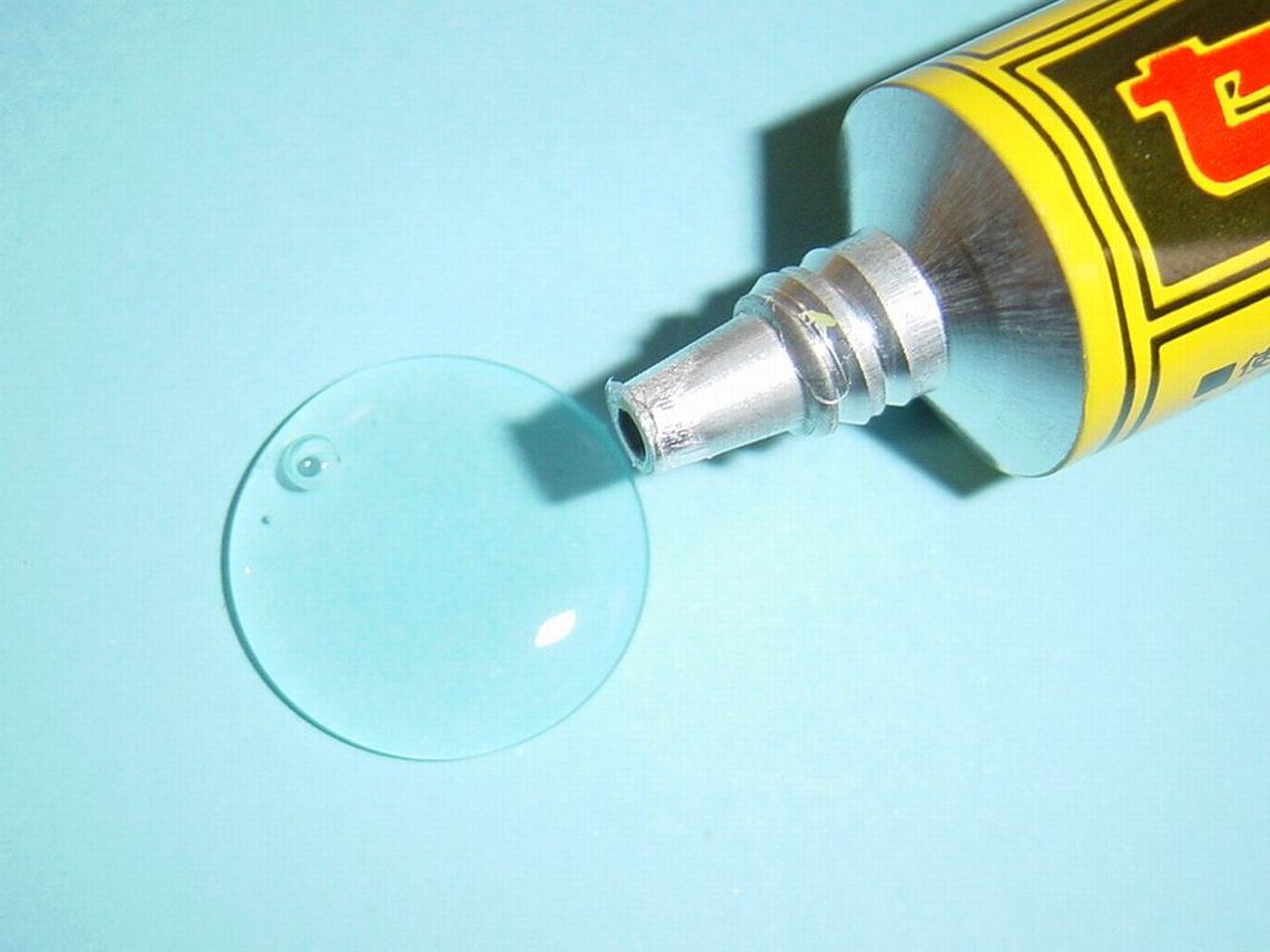
Adhesive




The Molecular Dance
Adhesives function through the interplay of adhesion and cohesion. Adhesion refers to the attraction between the adhesive material and the substrate surfaces, while cohesion describes the internal strength of the adhesive itself. At a molecular level, adhesion is driven by intermolecular forces, including van der Waals forces (dispersion, dipole-dipole, and dipole-induced dipole interactions), hydrogen bonding, and even chemical bonding in reactive adhesives.
For effective adhesion, the adhesive must be able to spread and wet the substrate surfaces, minimizing surface energy and maximizing contact area. This wetting process is influenced by surface tension and the chemical compatibility between the adhesive and the substrate. Cohesion ensures that the adhesive layer doesn't fail under stress, relying on the strength of its own molecular network, which is often developed through polymerization, cross-linking, or solidification processes like solvent evaporation or curing.
A Journey Through Time
The history of adhesives is a testament to human ingenuity in manipulating natural materials and later synthesizing novel compounds. Early civilizations utilized natural adhesives such as bitumen, plant resins (like pine sap), and animal glues derived from collagen in bones, hides, and fish swim bladders. These were crucial for everything from ancient Egyptian tomb construction to the crafting of early tools and musical instruments.
The industrial revolution spurred the development of more consistent glues from starch and casein. The 20th century marked a paradigm shift with the advent of synthetic polymers. The development of synthetic resins like phenol-formaldehyde, urea-formaldehyde, and later epoxies, polyurethanes, and cyanoacrylates, offered unprecedented strength, durability, and versatility, enabling applications in demanding fields like aerospace, automotive manufacturing, and advanced electronics.
This evolution reflects a continuous drive for performance and specialized functionality.
The Indispensable Role of Adhesives in Modern Engineering and Design
Adhesives have become indispensable in contemporary engineering and manufacturing, often replacing or supplementing traditional mechanical fasteners like rivets, screws, and welding. Their advantages are numerous: they distribute stress more evenly across a joint, reducing stress concentrations and improving fatigue life; they can join dissimilar materials that are difficult to weld or rivet; they provide sealing against moisture and chemicals; they can dampen vibration and noise; and they often result in lighter and more aesthetically pleasing designs.
In industries such as automotive and aerospace, adhesives are critical for weight reduction, leading to improved fuel efficiency and performance. In electronics, they enable the miniaturization and complex assembly of intricate components. Furthermore, in biomedical applications, biocompatible adhesives are used for wound closure, tissue engineering, and drug delivery systems, highlighting their broad impact.
Classifying Adhesives
Adhesives can be broadly classified based on their chemical composition, curing mechanism, or application method. Chemically, they range from natural polymers (like starch or rubber) to synthetic polymers (like epoxies, acrylics, silicones, and polyurethanes). Curing mechanisms vary widely: solvent-based adhesives release volatile organic compounds; water-based adhesives use water as a carrier; hot-melt adhesives solidify upon cooling; reactive adhesives undergo chemical changes (curing) initiated by heat, UV light, or mixing of components; and pressure-sensitive adhesives (PSAs) remain permanently tacky and bond under light pressure.
Understanding these classifications is crucial for selecting the appropriate adhesive for a specific application, considering factors such as substrate material, environmental conditions, required bond strength, and processing capabilities. The development of novel adhesive formulations continues to push the boundaries of material science.
Beyond the Basics
The application of adhesives extends into highly specialized and cutting-edge fields. In the realm of nanotechnology, researchers are developing adhesives at the molecular scale for precise assembly of micro-devices. Bio-inspired adhesives, mimicking the remarkable bonding capabilities of organisms like mussels or geckos, are being engineered for underwater applications, medical implants, and reusable fastening systems.
Smart adhesives, which can change their properties (e.g., strength or tackiness) in response to external stimuli like temperature or electric fields, are also an area of active research, promising applications in adaptive structures and self-healing materials. The ongoing pursuit of sustainable adhesives, utilizing renewable resources and minimizing environmental impact, is another critical frontier, ensuring that the science of sticking continues to evolve responsibly.
Go deeper
Frequently Asked Questions
What makes something sticky?+
Why do adhesives help build big things like airplanes?+
How did people first make glue?+
What are some modern adhesives used in cars?+
Can adhesives be used for medicine?+
Based on content from Wikipedia · Licensed under CC BY-SA 4.0