

Indonesia's Big Fight for Freedom!
Images
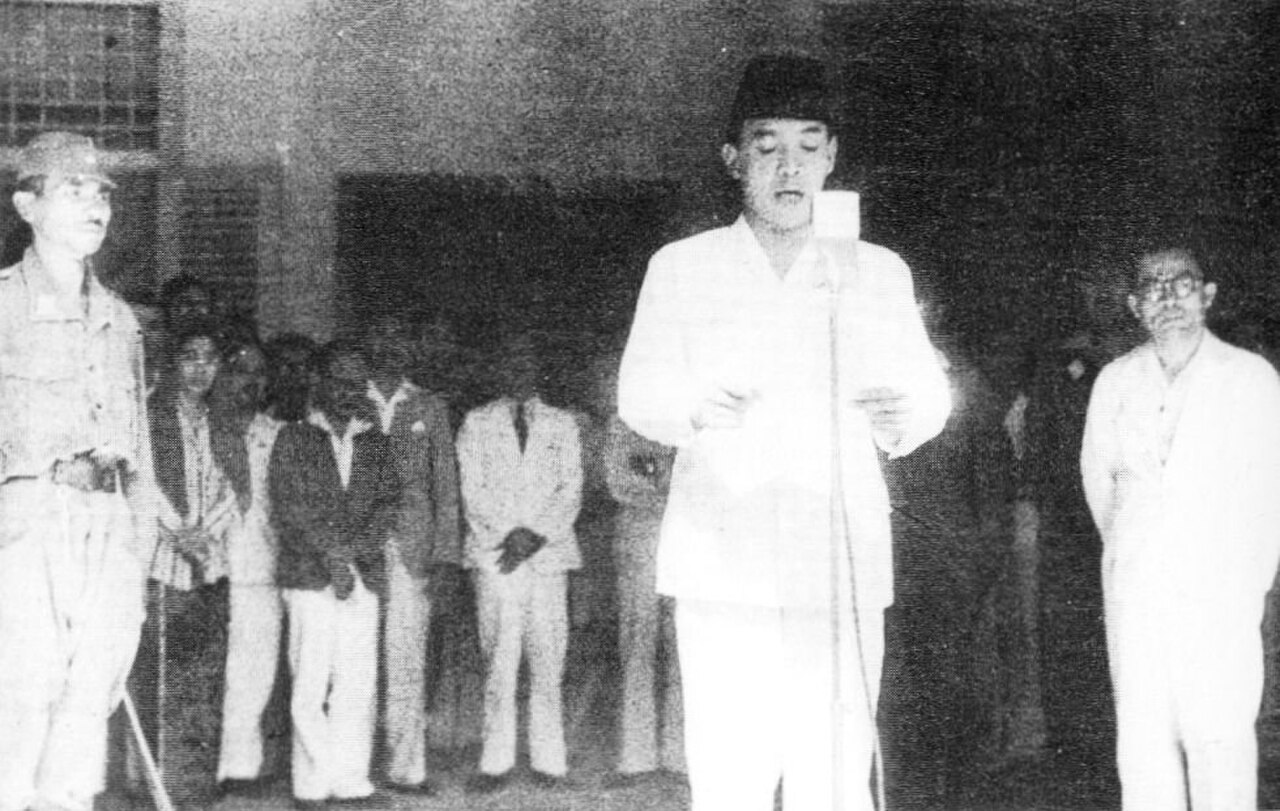
Indonesian National Revolution
Geopolitical Crossroads
Indonesia's geographical position is one of immense strategic importance, situated at the nexus of the Indian and Pacific Oceans, controlling vital maritime trade routes. This vast archipelago, comprising over 17,000 islands, presents a complex and diverse landscape, ranging from the dense tropical rainforests of Borneo and Sumatra to the volcanic mountain ranges of Java and the unique ecosystems of Papua. Its tropical climate, characterized by high humidity and distinct wet and dry seasons, supports an extraordinary biodiversity, making it a global hotspot for flora and fauna.
This rich natural endowment, however, also made it a target for colonial powers seeking access to valuable resources like spices, rubber, and minerals, profoundly influencing its historical trajectory and the very nature of its struggle for self-determination. The sheer scale and diversity of the islands present ongoing challenges for national integration and development.
The Crucible of Revolution
The Indonesian National Revolution (1945-1949) was a pivotal period born from the ashes of World War II and the collapse of Dutch colonial authority. Following Japan's surrender, Indonesian nationalists, led by Sukarno and Hatta, proclaimed independence on August 17, 1945. This act was met with fierce resistance from the Netherlands, which sought to re-establish its colonial dominion.
The ensuing four-year conflict was multifaceted, involving guerrilla warfare, international diplomacy, and significant propaganda efforts. Indonesian fighters, often poorly equipped but highly motivated, engaged in protracted battles against a better-armed Dutch military. The revolution was not merely a military struggle but a profound social and political transformation, mobilizing diverse segments of society and forging a nascent national identity that transcended regional and ethnic differences.
The international community, particularly the United States and the United Nations, played a crucial role in mediating the conflict and pressuring the Netherlands to recognize Indonesia's sovereignty.
Cultural Synthesis and National Identity in a Diverse Nation
Indonesia's cultural landscape is an intricate tapestry woven from hundreds of ethnic groups, each with its own distinct languages, customs, and traditions. The official language, Bahasa Indonesia, was deliberately developed as a unifying force, a lingua franca that could bridge linguistic divides and foster a sense of shared national identity. This concept is encapsulated in the national motto, 'Bhinneka Tunggal Ika' (Unity in Diversity).
Traditional art forms, such as batik textiles, intricate wood carvings, and the percussive melodies of gamelan orchestras, are not merely aesthetic expressions but vital components of cultural heritage passed down through generations. Indonesian cuisine, renowned for its complex flavors and regional variations, further illustrates this diversity. The revolution itself became a powerful catalyst in solidifying this shared identity, as people from different islands and backgrounds fought side-by-side for a common cause, creating a collective memory that continues to shape the nation's self-perception.
Governance, Economy, and the Enduring Legacy of Education
Upon achieving independence, Indonesia embarked on the complex task of establishing a functional government and a sustainable economy. The nation adopted a republican form of government, with a presidential system at its core, though its democratic institutions have undergone significant evolution since the revolution. Economically, Indonesia's development has been heavily influenced by its abundant natural resources, with sectors like agriculture, mining, and manufacturing playing key roles.
However, the revolution underscored the critical importance of human capital. Education was recognized as a fundamental pillar for national development, empowering citizens, fostering innovation, and ensuring equitable progress across the vast archipelago. Investments in education have been crucial for building a skilled workforce, promoting social mobility, and strengthening democratic participation.
The legacy of the revolution continues to inform Indonesia's foreign policy, its commitment to multilateralism, and its ongoing efforts to navigate the complexities of regional and global affairs.
Go deeper
Frequently Asked Questions
What was the Indonesian National Revolution?+
Why did Indonesia want to be free?+
How did Indonesia become independent?+
Where is Indonesia located?+
Who were Sukarno and Hatta?+
Based on content from Wikipedia · Licensed under CC BY-SA 4.0