

Indian Cuisine: A Delicious Adventure!
Images

Misc Indian cuisine


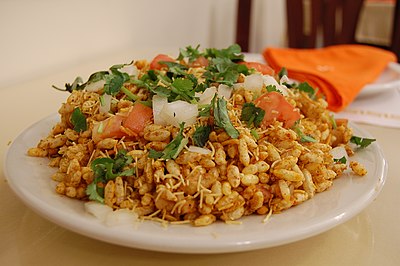


Geographical Determinants of Culinary Diversity
The sheer diversity of Indian cuisine is a direct consequence of the Indian subcontinent's vast and varied geography. From the arid deserts of Rajasthan to the humid tropical coastlines of Kerala, and the fertile Indo-Gangetic Plain to the mountainous regions of the Himalayas, each locale presents unique agricultural possibilities and culinary traditions. The availability of specific ingredients, dictated by climate and soil type, has led to distinct regional specialties.
For instance, coastal areas naturally feature seafood-rich diets, while northern plains support extensive cultivation of wheat and dairy. Mountainous regions might rely on hardy grains and preserved foods. This geographical mosaic ensures that 'Indian cuisine' is not a monolith but a collection of distinct, yet interconnected, culinary landscapes, each with its own signature flavors and techniques.
Historical Trajectories
Indian cuisine's evolution is a narrative shaped by millennia of trade, migration, and conquest. Ancient trade routes, particularly those focused on spices like black pepper, cardamom, and turmeric, established India as a pivotal global culinary hub. The immense demand for these spices in Europe was a primary catalyst for the Age of Discovery, fundamentally altering international relations and global trade patterns.
Subsequent historical events, including various invasions and colonial periods, introduced new ingredients and culinary practices. The Columbian Exchange, for example, brought transformative ingredients such as chili peppers, potatoes, tomatoes, and peanuts, which were rapidly assimilated and became integral to regional cuisines, particularly in dishes like curries and street food. This continuous historical exchange has resulted in a cuisine that is both deeply traditional and remarkably adaptive.
Cultural and Religious Underpinnings of Dietary Practices
The intricate relationship between Indian cuisine, culture, and religion is profound. Religious doctrines significantly influence dietary norms; for instance, Hinduism, Jainism, and Buddhism often promote vegetarianism or specific dietary restrictions. The concept of 'ahimsa' (non-violence) underpins many vegetarian traditions.
Festivals and religious observances are inextricably linked to specific culinary rituals and celebratory foods, reinforcing cultural identity and community cohesion. Beyond religion, social customs, family traditions, and regional identities dictate food preparation, serving etiquette, and meal structures. The concept of 'prasad' (a religious offering) and the communal sharing of food highlight the spiritual and social dimensions embedded within Indian culinary practices, making meals a holistic experience.
Economic Significance and Global Culinary Footprint
The economic impact of Indian cuisine is substantial, both domestically and internationally. The agricultural sector, focused on producing diverse ingredients and spices, forms a cornerstone of the Indian economy. The global popularity of Indian food has fueled a significant export market for spices and processed food products.
Furthermore, Indian restaurants and culinary professionals have established a strong presence worldwide, contributing to local economies and fostering cultural exchange. Notably, India's food consumption patterns have been recognized for their sustainability. A report by the WWF emphasized India's G20 leadership in this regard, suggesting that traditional Indian dietary habits, often characterized by plant-based meals and efficient resource utilization, offer valuable models for global food security and environmental preservation in the face of climate change.
Education and Culinary Transmission
The transmission of culinary knowledge in India is a multifaceted process, deeply embedded in informal and formal educational structures. Traditionally, culinary skills are passed down through generations within families, with mothers and grandmothers serving as primary educators, imparting not just recipes but also the cultural significance and techniques associated with each dish. This informal apprenticeship ensures the preservation of regional specialties and family traditions.
Formally, culinary education is increasingly recognized, with numerous cooking schools and institutes offering professional training in Indian cuisine. These institutions cover a broad spectrum, from foundational techniques to advanced gastronomy, catering to aspiring chefs and home cooks alike. Furthermore, the proliferation of food blogs, online tutorials, and cookbooks has democratized culinary education, making the rich heritage of Indian cooking accessible to a global audience and fostering continuous innovation within its traditional framework.
See also
Based on content from Wikipedia · Licensed under CC BY-SA 4.0