

Huber Matos
Images

Congrsista Galarreta recibió visita


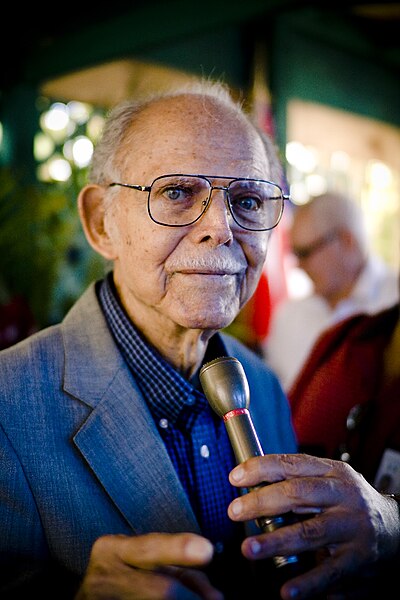


From Revolutionary Ally to Symbol of Opposition
Huber Matos Benítez (1918-2014) emerged as a significant military leader within the 26th of July Movement, playing a vital role in the armed struggle against the dictatorship of Fulgencio Batista. His early involvement alongside Fidel Castro, Raúl Castro, and Che Guevara positioned him as a key figure in the Cuban Revolution's success. Matos's military acumen and dedication were instrumental in challenging Batista's regime, embodying the revolutionary fervor that promised liberation and reform for Cuba.
He was a commander who fought for the ideals of freedom and national sovereignty, deeply invested in the vision of a new Cuba free from authoritarianism and foreign influence. His participation lent considerable weight and legitimacy to the revolutionary cause during its critical phases.
The Ideological Schism
The post-revolutionary period marked a profound ideological divergence between Huber Matos and the leadership of Fidel Castro. While Matos had fought for a democratic republic, he grew increasingly alarmed by the government's rapid embrace of Marxist-Leninist principles and its deepening alliance with the Soviet Union. He perceived this shift as a departure from the revolution's initial promises of liberty and self-determination, viewing it as the establishment of a new form of authoritarianism.
Matos publicly voiced his dissent, arguing that the revolution was betraying its core tenets by aligning with communist ideology and suppressing internal opposition. This critique placed him in direct opposition to Castro's consolidation of power and the establishment of a socialist state, setting the stage for his eventual downfall within the revolutionary government.
Treason, Trial, and Two Decades of Imprisonment
Huber Matos's outspoken criticism of the revolutionary government led to his arrest in 1959, accused of treason and sedition. The trial that followed was highly controversial, with many viewing it as a political maneuver to silence a prominent dissenting voice. Despite his historical role in the revolution, Matos was convicted and sentenced to 20 years in prison.
He endured this lengthy incarceration from 1959 to 1979, becoming a potent symbol of political repression within Cuba. His imprisonment highlighted the growing intolerance of dissent within the new regime and the high personal cost for those who challenged its direction. His resilience during these two decades underscored his unwavering commitment to his principles, even in the face of severe personal sacrifice.
Continued Activism and Legacy as a Dissident
Upon his release in 1979, Huber Matos did not cease his activism. He continued to be a vocal critic of the Cuban government, dedicating the remainder of his life to advocating for democratic reforms and human rights on the island. He established residences in both Miami, Florida, and Costa Rica, utilizing these platforms to organize, write, and speak out against the policies of the Cuban regime.
Matos authored several books detailing his experiences and political views, contributing significantly to the literature on the Cuban Revolution and its aftermath. His enduring commitment to his ideals, despite decades of imprisonment and exile, cemented his legacy as a prominent figure in the Cuban diaspora and a lifelong advocate for freedom and democracy in his homeland.
See also
Frequently Asked Questions
Who was Huber Matos and why is he important in Cuban history?+
Why did Huber Matos disagree with the Cuban government after the Revolution?+
What happened to Huber Matos after he spoke out against the government?+
What did Huber Matos do after he was released from prison?+
Why do people remember Huber Matos today?+
Based on content from Wikipedia · Licensed under CC BY-SA 4.0