

Hordeum vulgare: The Amazing Barley!
Images

Barley spikes (Hordeum vulgare L.)


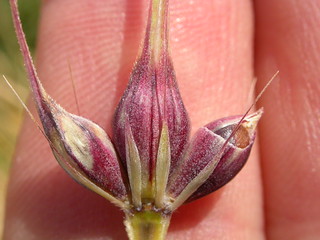


The Genesis and Dissemination of a Staple Crop
Hordeum vulgare, or barley, stands as one of humanity's earliest domesticated crops, with its origins tracing back to the Fertile Crescent approximately 10,000 to 12,000 years ago. Archaeological findings suggest its cultivation predates wheat in some Neolithic sites, highlighting its pivotal role in the transition from hunter-gatherer societies to settled agriculture. The domestication process likely involved selecting for traits such as larger seed heads, non-shattering rachis (the part that holds the seeds), and increased yield.
From its Near Eastern cradle, barley spread rapidly across Eurasia and North Africa, adapting to diverse climatic conditions. Its ability to tolerate saline soils, drought, and cooler temperatures allowed it to colonize marginal lands where other cereals might fail. This adaptability facilitated its integration into various regional diets and agricultural systems, from the Mediterranean basin to the Tibetan plateau, solidifying its status as a global staple that underpinned early civilizations and continues to be a vital component of modern agriculture.
Agronomic Characteristics and Global Cultivation Zones
The agronomic success of Hordeum vulgare is rooted in its genetic plasticity and robust physiological traits. It is a diploid or tetraploid annual grass, typically growing to a height of 0.7 to 1.5 meters. Barley exhibits remarkable adaptability to a wide spectrum of environmental conditions.
While optimal growth occurs in cool, temperate climates with moderate rainfall, it possesses superior tolerance to drought, salinity, and alkalinity compared to many other cereal crops. This resilience makes it a crucial crop in semi-arid regions and areas with challenging soil quality. Major barley-producing countries include Russia, Canada, Australia, Germany, France, and Turkey, with significant cultivation occurring across Europe, Asia, and the Americas.
Its cultivation is often dictated by its suitability for specific end-uses, such as malting barley for the brewing industry, which requires specific quality standards, or feed barley for livestock, where yield and nutritional content are paramount.
Multifaceted Applications
The utility of Hordeum vulgare spans a broad spectrum of human needs and industrial processes. Nutritionally, barley is a powerhouse, particularly valued for its high content of soluble fiber, notably beta-glucans. These compounds have well-documented health benefits, including the reduction of LDL cholesterol, improved glycemic control, and enhanced satiety, contributing to its role in heart-healthy and weight-management diets.
It is consumed directly as a food grain in various forms, including pearled barley, flour, and flakes, featuring prominently in soups, stews, pilafs, and baked goods. Beyond direct human consumption, barley is a cornerstone of the animal feed industry, providing essential energy and nutrients for livestock. Critically, barley is indispensable to the global brewing and distilling industries.
The malting process, which involves controlled germination to convert starches into fermentable sugars, transforms barley into a primary ingredient for beer and whiskey production, making it a significant economic commodity.
Economic and Nutritional Significance in the Modern Era
In the contemporary global landscape, Hordeum vulgare maintains significant economic and nutritional importance. As the fourth-largest cereal crop produced worldwide, it plays a critical role in food security, particularly in regions where its hardiness offers an advantage. The global market for barley is substantial, driven by demand from both the food and feed sectors, as well as the lucrative malting industry.
Its nutritional profile, rich in complex carbohydrates, fiber, and essential micronutrients, positions it as a valuable component of healthy human diets, contributing to preventative health strategies. Furthermore, ongoing research continues to explore novel applications for barley, including its potential in functional foods and as a source of bioactive compounds. The crop's resilience also makes it a candidate for cultivation in the face of climate change, potentially offering a more sustainable option in certain environments compared to less hardy grains.
See also
Frequently Asked Questions
What is barley and why is it special?+
Where did barley first grow?+
How does barley help our health?+
What do people make with barley?+
Where is barley grown today?+
Based on content from Wikipedia · Licensed under CC BY-SA 4.0