

Hong Xiuquan
Images
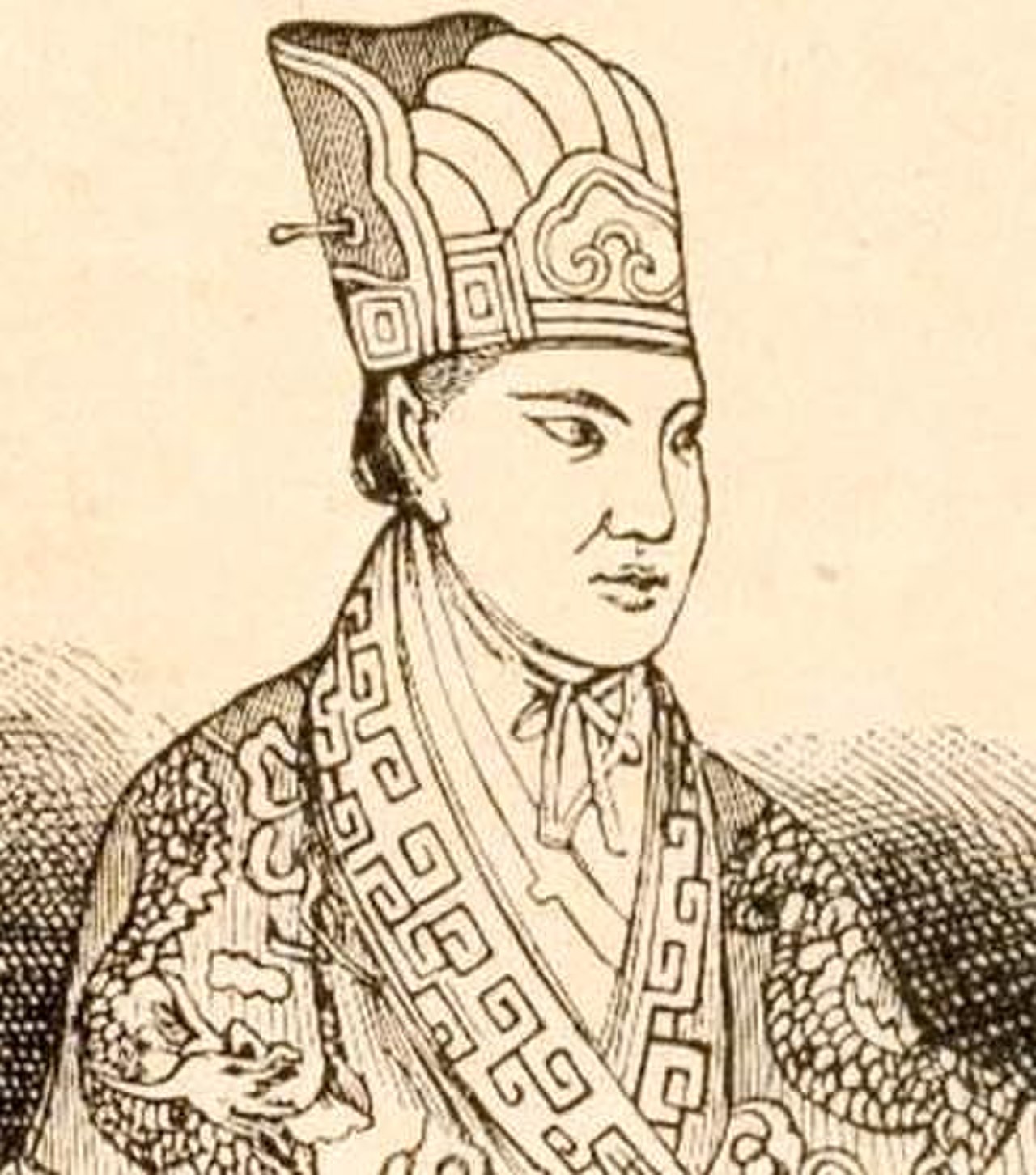
Hong Xiuquan
The Genesis of a Heavenly Kingdom
Born in 1814 in Guangdong Province, Hong Xiuquan's early life was marked by a persistent struggle to succeed in the imperial civil service examinations. His repeated failures, particularly in 1836 and 1843, led to a severe mental and physical breakdown. During this period of illness, he experienced vivid hallucinations that he interpreted as divine revelations.
He believed he had ascended to heaven, met God the Father (whom he identified with Shangdi, a supreme deity in Chinese tradition) and Jesus Christ, and was appointed by God as the 'Heavenly King' to eradicate demons (representing the ruling Manchu Qing Dynasty and Confucianism) and establish a new, righteous kingdom on Earth. This personal crisis and subsequent spiritual awakening provided him with a powerful, albeit heterodox, religious framework and a messianic complex that would drive his revolutionary ambitions.
His teachings blended elements of Protestant Christianity, particularly from missionary tracts he had encountered, with traditional Chinese religious and social concepts, creating a unique syncretic ideology.
The God Worshippers and the Rise of the Taiping Army
Hong Xiuquan's radical message of spiritual and social equality, including the condemnation of traditional Chinese ancestor worship and the promotion of a monotheistic faith, found fertile ground among the disaffected peasantry, miners, and marginalized groups in southern China. He established the 'God Worshippers' society, which rapidly expanded throughout the 1840s. The movement's emphasis on communal living, shared property, and the emancipation of women (including the prohibition of foot-binding and polygamy) offered a compelling alternative to the perceived corruption and inequality of the Qing regime.
As Qing authorities began to suppress the God Worshippers, the movement was forced to militarize. By 1851, Hong Xiuquan declared the establishment of the Taiping Heavenly Kingdom, with himself as its supreme ruler, and launched a full-scale rebellion. The Taiping army, fueled by religious zeal and a desire for social justice, grew to hundreds of thousands, demonstrating remarkable military prowess in its early campaigns.
The Taiping Rebellion
The Taiping Rebellion (1850-1864) became one of the most devastating conflicts in human history, resulting in an estimated 20 to 30 million deaths. The Taiping forces captured Nanjing in 1853, renaming it the 'Heavenly Capital,' and controlled a significant portion of southern China for over a decade. Their administration implemented radical social and economic reforms, including land redistribution, a strict moral code, and the promotion of women's education and participation in the military.
However, internal strife, leadership struggles, and the Qing government's increasingly effective counter-measures, bolstered by the formation of regional armies and crucial military and financial support from Western powers (who initially saw the Taipings as potential allies but later feared their radicalism and disruption to trade), gradually turned the tide. The protracted siege of Nanjing and the eventual fall of the city in 1864 marked the effective end of the rebellion.
Hong Xiuquan's Enduring, Though Tragic, Legacy
Hong Xiuquan died in June 1864, likely from illness, possibly exacerbated by his consumption of special food he believed would grant him divine powers, just before the final fall of Nanjing. While the Taiping Heavenly Kingdom ultimately failed, Hong Xiuquan's rebellion had profound and lasting consequences for China. It severely weakened the legitimacy and military power of the Qing Dynasty, contributing significantly to its eventual collapse in 1911.
The rebellion exposed the deep-seated social and economic grievances within Chinese society and demonstrated the potential for mass mobilization based on religious and ideological fervor. Hong Xiuquan's movement, despite its violent outcome and theological deviations, remains a pivotal event in modern Chinese history, studied for its complex interplay of religious millenarianism, social revolution, and the struggle against imperial power, influencing subsequent revolutionary thought and action in China.
Go deeper
Frequently Asked Questions
Who was Hong Xiuquan?+
What did Hong Xiuquan see when he was ill?+
What was the God Worshippers society?+
Why did the Taiping Rebellion start?+
How did the rebellion end?+
Based on content from Wikipedia · Licensed under CC BY-SA 4.0