

Brother
Images
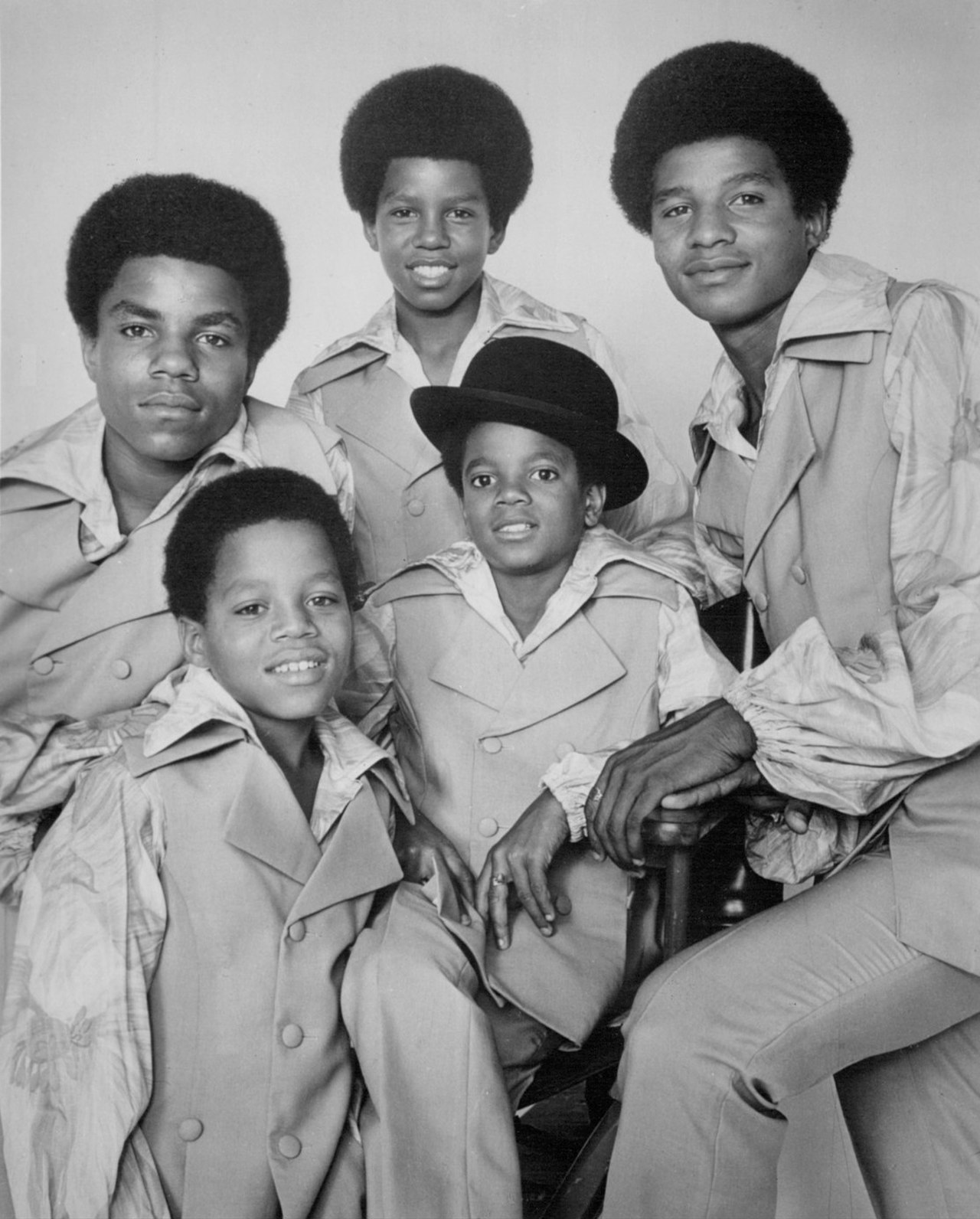
Brother
The Multifaceted Definition and Social Construction of Brotherhood
At its core, a brother is a male sibling, defined by shared parentage, whether biological or adoptive. This fundamental definition, however, belies the complex social and emotional layers that constitute the experience of brotherhood. The relationship is shaped by a confluence of factors including birth order, age proximity, personality traits, and the broader family environment.
Older brothers often assume roles of mentorship and protection, while younger brothers may embody a spirit of exploration or emulation. The dynamic can be characterized by intense camaraderie, fierce competition, or a profound sense of mutual reliance. Beyond the nuclear family, the concept of 'brotherhood' has been adopted by various social groups, religious orders, and fraternal organizations to signify deep bonds of loyalty, shared purpose, and mutual support, underscoring its powerful symbolic resonance in human society and its capacity to transcend biological ties.
Historical Trajectories of Brotherhood
Throughout history, brothers have played integral roles in the structure and functioning of societies. In pre-industrial eras, particularly in agrarian settings, brothers were essential units of labor, contributing to the family's economic survival and the continuity of agricultural practices. This collaborative model extended to artisanal trades, where brothers often inherited and perpetuated family businesses, ensuring the transmission of specialized skills and knowledge across generations.
In times of war and societal upheaval, brothers frequently formed the bedrock of military units, their shared lineage fostering unwavering loyalty and courage on the battlefield. The narratives of historical figures and foundational myths often feature prominent brotherly relationships, highlighting their significance in leadership, conflict resolution, and the establishment of social order. While societal structures have evolved, the historical legacy of brothers as partners in labor, defense, and community building continues to inform our understanding of this relationship.
The Profound Psychological and Developmental Impact of Brotherhood
The presence of a brother exerts a significant influence on an individual's psychological development and social maturation. Through constant interaction, brothers learn crucial interpersonal skills such as negotiation, conflict resolution, empathy, and the ability to understand diverse perspectives. They often serve as primary social partners, providing a safe space for practicing communication and navigating disagreements, which can foster emotional intelligence and resilience.
Brothers can act as confidants, offering unique insights and support rooted in shared experiences and familial understanding. This relationship contributes to the formation of self-identity, as individuals define themselves in relation to their siblings. The shared history, inside jokes, and collective memories forged between brothers create a powerful sense of belonging and continuity, which can be a vital source of emotional security throughout life.
The Complex Interplay of Dynamics
The relationship between brothers is a dynamic and often complex tapestry woven with threads of cooperation, competition, and deep affection. While shared experiences and mutual understanding can foster profound bonds, inherent differences in temperament, aspirations, and life trajectories can also lead to friction and conflict. Sibling rivalry, a common phenomenon, can manifest as competition for parental attention, resources, or achievement, but it also serves as a crucial training ground for navigating social hierarchies and managing interpersonal tensions.
The ability to resolve conflicts, practice forgiveness, and maintain connection despite disagreements is a hallmark of strong brotherly relationships. This resilience, built over years of shared history and evolving understanding, underscores the enduring nature of the brotherly bond, which often transforms from childhood playmates to lifelong allies and sources of unwavering support.
Brotherhood in Contemporary Society
In modern society, the role of the brother continues to evolve, reflecting broader societal changes in family structures and gender dynamics. While traditional expectations of male roles persist in some contexts, there is a growing recognition of the diverse ways brothers contribute to family life and personal well-being. The emphasis has shifted towards emotional connection, active participation in family matters, and mutual support, moving beyond purely instrumental roles.
In an increasingly interconnected world, the concept of brotherhood is also being re-examined in broader social and political contexts, highlighting themes of solidarity, advocacy, and collective action. Understanding the enduring significance and evolving nature of brotherhood is crucial for appreciating the complexities of human relationships and the foundational role of family in shaping individual lives and societal cohesion.
Go deeper
Frequently Asked Questions
What is a brother?+
Why do older brothers sometimes protect younger brothers?+
How can brothers help each other learn?+
Where do people use the word "brotherhood" outside families?+
When did brothers work together in history?+
Based on content from Wikipedia · Licensed under CC BY-SA 4.0