

Hayao Miyazaki
Images
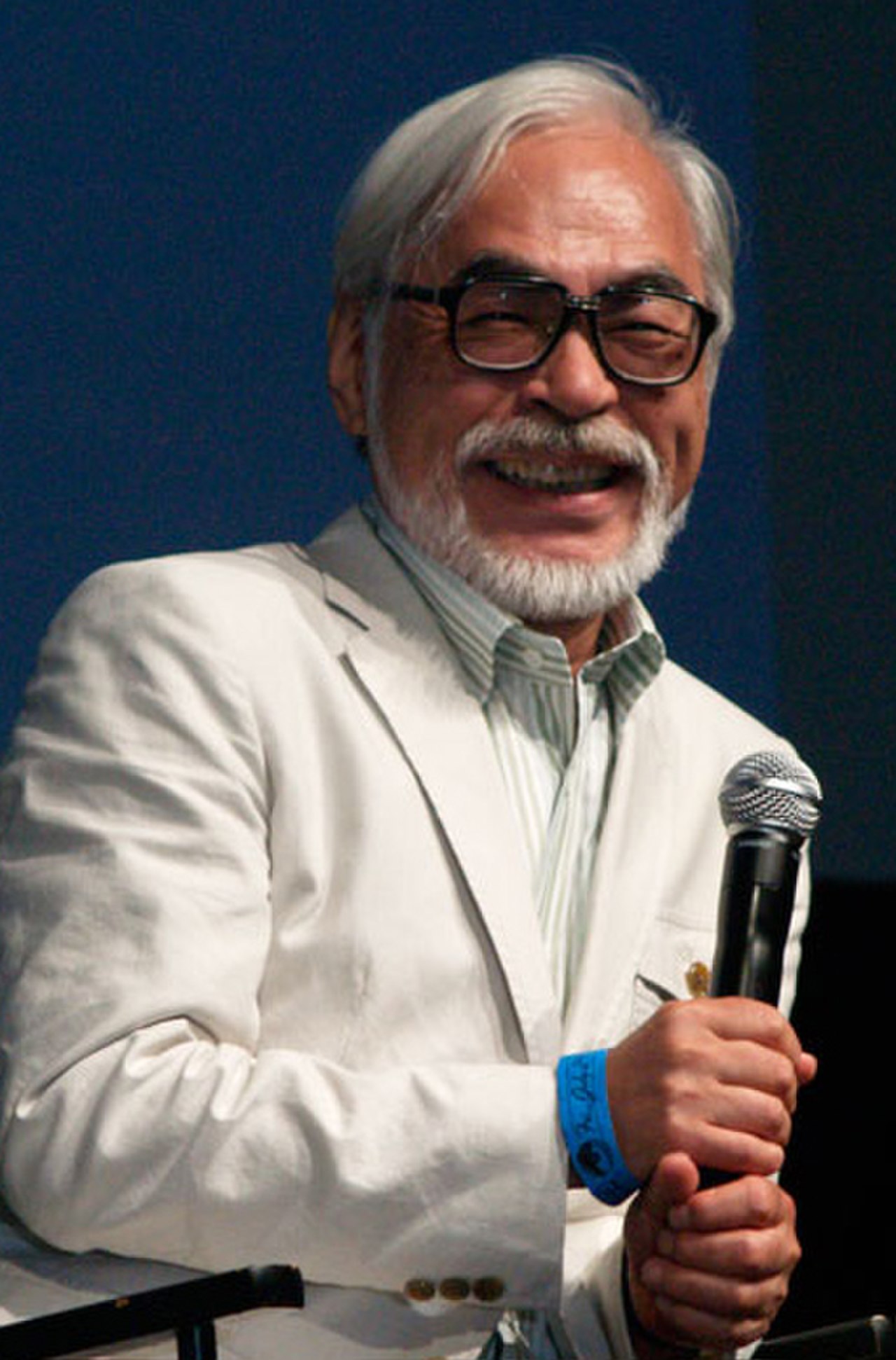
Hayao Miyazaki
Genesis of a Visionary
Hayao Miyazaki, born January 5, 1941, in Tokyo, Japan, emerged as a pivotal figure in animation, not merely as a director but as a visionary storyteller and artist. His formative years were marked by a deep engagement with manga and animation, leading him to join Toei Animation in 1963. This period was crucial for developing his technical prowess and understanding of narrative flow.
Working as an in-between artist and key animator on films such as 'Gulliver's Travels Beyond the Moon' (1965) and 'Puss in Boots' (1969), he absorbed the craft. His subsequent move to A-Pro allowed him to co-direct 'Lupin the Third Part I' (1971–1972) alongside Isao Takahata, a collaboration that would define much of his career. Further experience at Zuiyō Eizō (later Nippon Animation) and directing the television series 'Future Boy Conan' (1978) solidified his directorial voice.
His first feature film, 'The Castle of Cagliostro' (1979), and the manga 'Nausicaä of the Valley of the Wind' (1982–1994), which was later adapted into a film, demonstrated his burgeoning ability to weave complex narratives with compelling characters and distinct visual styles, setting the stage for his most impactful work.
The Ghibli Phenomenon
The establishment of Studio Ghibli in 1985 by Hayao Miyazaki and Isao Takahata marked a turning point in animation history. This studio became a sanctuary for artistic integrity, prioritizing hand-drawn animation and deeply personal storytelling. Miyazaki's directorial contributions, including 'Laputa: Castle in the Sky' (1986), 'My Neighbor Totoro' (1988), 'Kiki's Delivery Service' (1989), and 'Porco Rosso' (1992), achieved significant critical and commercial success in Japan.
These films are characterized by their meticulous attention to detail, imaginative world-building, and emotionally resonant characters. 'My Neighbor Totoro,' in particular, with its iconic characters and gentle exploration of childhood and nature, became a cultural touchstone. The studio's commitment to quality and unique artistic vision allowed Miyazaki's films to stand out, fostering a dedicated fanbase and paving the way for international recognition of Japanese animation as a sophisticated art form capable of profound thematic exploration.
Recurring Motifs
Miyazaki's filmography is rich with recurring thematic elements that invite deep analysis. A prominent motif is humanity's intricate and often fraught relationship with nature and technology. His films frequently celebrate the beauty and power of the natural world, contrasting it with the destructive potential of industrialization and unchecked technological advancement.
This environmental consciousness is woven into the fabric of his narratives, urging viewers to consider their own impact on the planet. Furthermore, Miyazaki consistently features strong, resilient female protagonists, challenging traditional gender roles and showcasing the strength, intelligence, and emotional depth of young women. His exploration of pacifism and the moral complexities of conflict, particularly evident in 'Princess Mononoke,' adds another layer of depth, presenting characters with nuanced motivations and highlighting the difficulties of maintaining ethical stances in a violent world.
These thematic preoccupations elevate his work beyond mere entertainment, offering thoughtful commentary on the human condition.
Global Impact, Critical Acclaim, and Enduring Influence
Hayao Miyazaki's artistic achievements have garnered widespread international acclaim and numerous prestigious awards. 'Princess Mononoke' (1997) broke barriers by winning the Japan Academy Film Prize for Picture of the Year and significantly boosted Ghibli's global profile. However, it was 'Spirited Away' (2001) that achieved unprecedented success, becoming Japan's highest-grossing film and securing the Academy Award for Best Animated Feature. This victory cemented Miyazaki's status as a master filmmaker on the world stage.
His subsequent works, including 'Howl's Moving Castle' (2004) and 'Ponyo' (2008), continued this trend of critical and commercial triumph. Even after announcing retirement, his return with 'The Boy and the Heron' (2023), which also won an Oscar, demonstrated his enduring creative power. Recognized as a Person of Cultural Merit and recipient of an Honorary Academy Award, Miyazaki's influence is immeasurable, inspiring countless animators, directors, and writers globally and solidifying his legacy as one of cinema's most important artistic voices.
Go deeper
Frequently Asked Questions
Who is Hayao Miyazaki?+
What is Studio Ghibli?+
Why do Miyazaki’s movies talk about nature and technology?+
Who are some of Miyazaki’s strong female characters?+
What was Miyazaki’s first feature film?+
Based on content from Wikipedia · Licensed under CC BY-SA 4.0