

Guernsey Cattle
Images
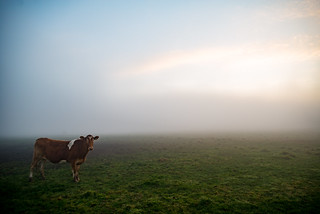
Misty Day


A Heritage Forged on Island Soil
The Guernsey breed's origins are deeply rooted in the island of Guernsey, one of the Channel Islands situated in the English Channel. For centuries, the island's isolation allowed for the development of a distinct cattle type, meticulously refined through selective breeding. The breed's development was influenced by French cattle breeds, but its unique characteristics were solidified by the island's environment and the farmers' dedication.
Guernseys were historically valued for their efficiency and the superior quality of their milk, leading to their export and establishment in dairy herds worldwide. This breed represents a significant piece of agricultural heritage, embodying centuries of careful husbandry and adaptation to a specific island ecosystem.
The Nutritional and Organoleptic Superiority of Guernsey Milk
Guernsey milk is celebrated for its exceptional quality, characterized by a rich, golden hue and a distinctively creamy texture. This visual appeal and superior taste are attributed to a naturally high concentration of beta-carotene, a precursor to Vitamin A, which is more readily absorbed by the human body compared to other breeds. Furthermore, Guernsey milk typically boasts a higher percentage of butterfat and protein, contributing to its luxurious mouthfeel and excellent suitability for cheesemaking and high-quality dairy products like butter.
This nutritional profile makes Guernsey milk a sought-after commodity for consumers and producers alike, offering both enhanced health benefits and superior culinary applications.
Temperament and Hardiness
A hallmark of the Guernsey breed is its remarkably docile and gentle disposition. This inherent calmness makes them exceptionally easy to manage and handle on dairy farms, reducing stress for both the animals and their caretakers. This ease of management translates into greater efficiency and a more harmonious farm environment.
Beyond their placid nature, Guernseys are also recognized for their hardiness. They possess a robust constitution that allows them to adapt well to a variety of climates and farming systems, demonstrating resilience against common ailments. This combination of a gentle temperament and physical hardiness makes them a reliable and productive dairy animal, contributing to their enduring popularity.
Conservation and Contemporary Relevance
As one of the three Channel Island breeds, alongside the extinct Alderney and the closely related Jersey, the Guernsey breed holds a unique place in dairy cattle genetics. While not currently facing immediate extinction threats, breeds like the Guernsey are sometimes considered 'minority breeds' in the broader agricultural landscape, making their continued promotion and breeding important for maintaining genetic diversity. Their specific milk composition and quality continue to be valued in niche markets and by consumers seeking premium dairy products.
The breed's legacy is not just historical; it is a living testament to specialized breeding and the ongoing pursuit of high-quality, nutritious food sources, ensuring their relevance in modern agriculture.
See also
Frequently Asked Questions
What makes Guernsey milk special?+
Where do Guernsey cows come from?+
Are Guernsey cows friendly?+
How do Guernsey cows help farmers?+
Why are Guernsey cows important today?+
Based on content from Wikipedia · Licensed under CC BY-SA 4.0