

Gregory of Nyssa
Images
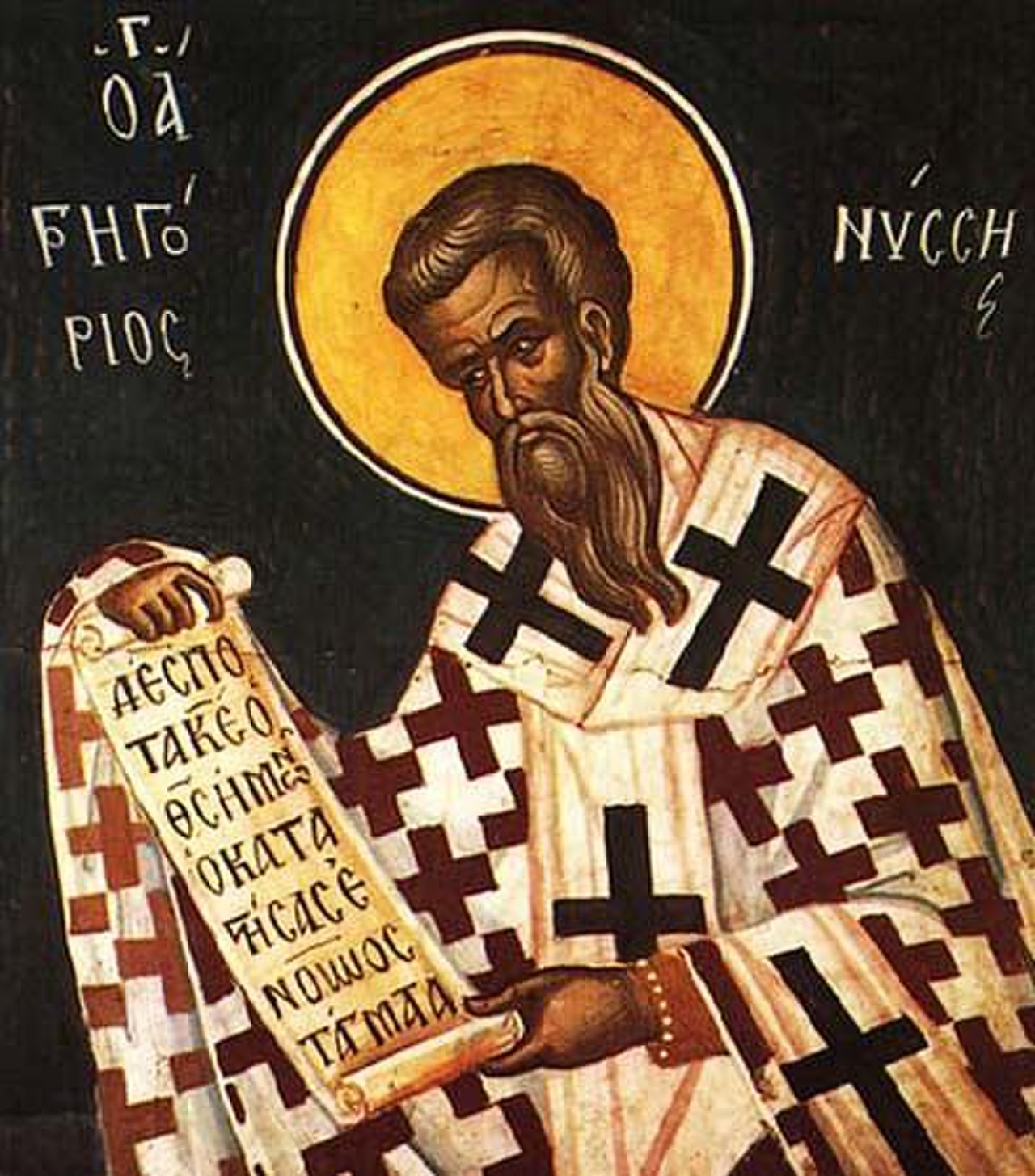
Gregory of Nyssa
From Caesarea to the Episcopal See
Gregory of Nyssa emerged from the intellectually vibrant milieu of 4th-century Cappadocia, born around 335 AD in Caesarea Mazaca. His family was deeply immersed in Christian scholarship and leadership, most notably his elder brother, Basil the Great, who would become a towering figure in church history. Gregory received a comprehensive classical education, mastering rhetoric, philosophy, and the intricacies of Christian scripture.
This rigorous training equipped him to engage with the complex theological debates of his era, particularly concerning the nature of God and the person of Christ. After a period as a secular teacher and rhetorician, Gregory embraced a more dedicated religious path, eventually being consecrated as the Bishop of Nyssa. This role placed him at the forefront of pastoral care and theological articulation, demanding that he translate abstract doctrines into living faith for his congregation.
The Cappadocian Synthesis
Gregory's most significant contribution lies in his role as one of the Cappadocian Fathers, alongside Basil the Great and Gregory of Nazianzus. This intellectual triumvirate is credited with developing a sophisticated theological framework that decisively shaped Nicene orthodoxy. Their primary challenge was to articulate the doctrine of the Trinity in a manner that was both biblically faithful and philosophically coherent, effectively countering Arianism and other heterodox views.
Gregory of Nyssa, in particular, brought a unique philosophical depth to their common project. His works, such as 'Against Eunomius' and 'On the Holy Spirit,' meticulously dissected theological arguments, employing Neoplatonic concepts to illuminate Christian mysteries. They succeeded in establishing a language and conceptual structure for understanding God's unity and tri-unity that became foundational for subsequent Christian theology across East and West.
A Vision of Divine Ascent and Universal Hope
Beyond his Trinitarian theology, Gregory of Nyssa is celebrated for his profound spiritual and anthropological insights. He envisioned the spiritual life as a dynamic ascent towards God, a journey of purification and illumination. His 'Life of Moses' is a masterful allegory exploring this spiritual progression, portraying Moses' encounter with God on Mount Sinai as a metaphor for the soul's quest for divine union.
Gregory's anthropology emphasized the inherent dignity of the human person, created in God's image, and the potential for continuous growth in virtue and knowledge. Furthermore, his eschatological views, particularly his concept of apokatastasis (universal restoration), suggest a belief in the ultimate triumph of God's love, where all creation will be reconciled. This hopeful outlook, though debated, reflects his deep conviction in God's boundless mercy and redemptive power.
Enduring Relevance
The intellectual and spiritual legacy of Gregory of Nyssa resonates powerfully in contemporary discussions. His nuanced understanding of God, humanity, and the cosmos continues to inform theological scholarship, offering rich resources for exploring faith in the 21st century. His emphasis on reason as a handmaiden to faith, his exploration of the contemplative life, and his hopeful vision of universal reconciliation remain subjects of intense study and inspiration.
Gregory's ability to synthesize classical philosophy with Christian revelation provides a model for interdisciplinary dialogue. His writings challenge us to think critically about our own beliefs, to seek deeper spiritual understanding, and to embrace a vision of hope grounded in divine love. He stands as a testament to the enduring power of profound thought to illuminate the human condition across the ages.
Key Pillars of Gregory's Thought
Gregory's contributions are multifaceted, touching upon core tenets of Christian belief and practice. His theological acumen is evident in his defense of the Nicene Creed, particularly his intricate arguments for the full divinity of the Son and the Holy Spirit, often employing philosophical reasoning to elucidate scriptural truths. His anthropological writings delve into the nature of the soul, its creation in the divine image, and its potential for deification (theosis) through grace and spiritual discipline.
He explored the paradox of human freedom and divine providence, seeking to reconcile human responsibility with God's sovereign plan. His homiletic works and ascetical writings offer practical guidance for living a Christian life, emphasizing virtues like humility, prayer, and love. The philosophical underpinnings of his thought, drawing heavily from Platonism and Neoplatonism, allowed him to articulate Christian doctrines in a sophisticated manner that appealed to educated minds of his time and continues to engage scholars today.
See also
Frequently Asked Questions
Who was Gregory of Nyssa?+
What did Gregory write about the Holy Spirit?+
How did Gregory think about the way people get closer to God?+
What is the idea of apokatastasis that Gregory believed in?+
Why are Gregory’s ideas still important today?+
Based on content from Wikipedia · Licensed under CC BY-SA 4.0