

Resurrection: Coming Back to Life!
Images
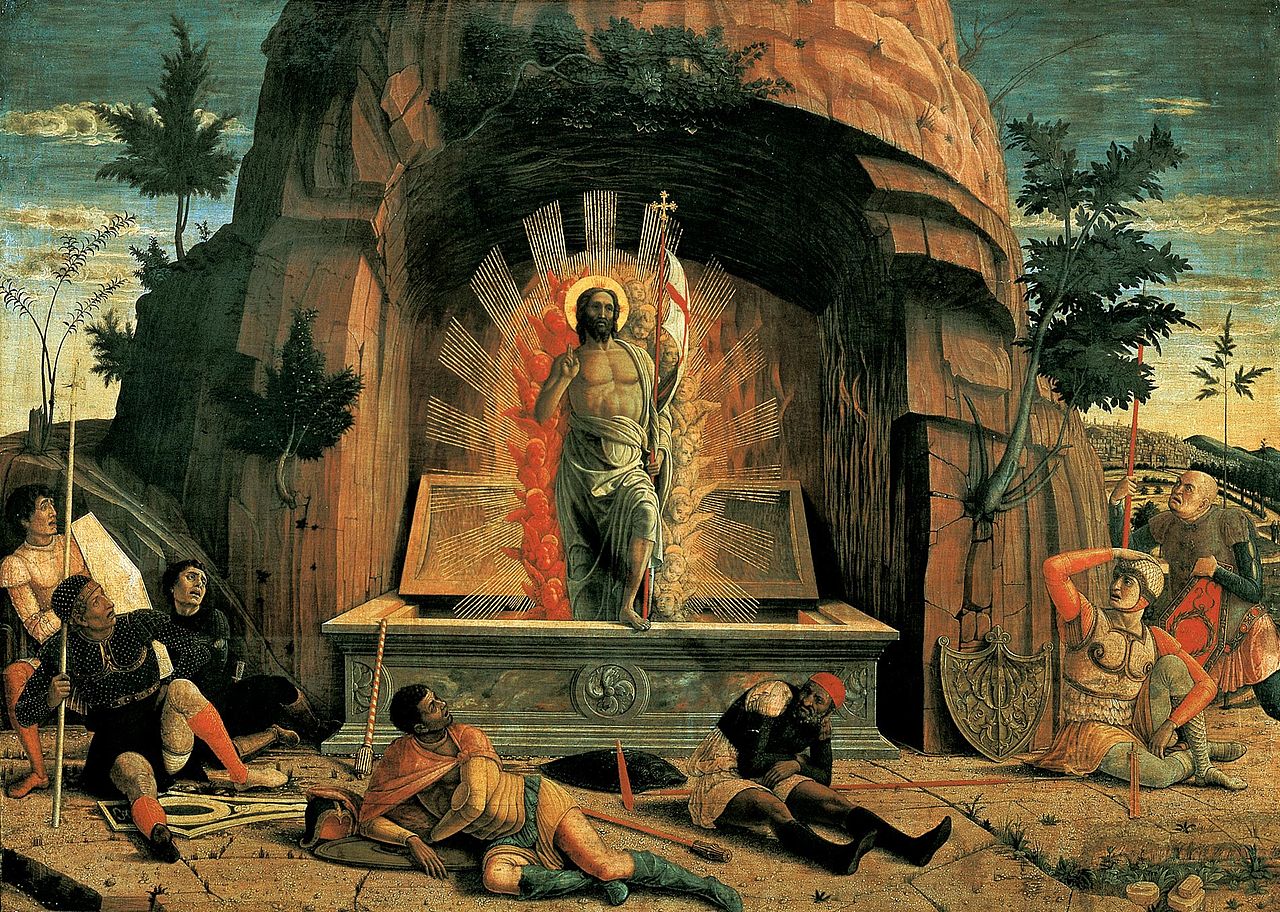
Resurrection
Defining Resurrection
Resurrection, in its most profound sense, signifies a return to life after a state of actual death. This is distinct from resuscitation (being revived from a near-death state) or miraculous survival. It implies a definitive cessation of life followed by a supernatural or divinely orchestrated restoration.
The concept is deeply intertwined with eschatology, the study of end times and final events. Across various traditions, resurrection often entails a transformed or perfected body, capable of existing in a new, often eternal, realm. It challenges the materialist view of consciousness as solely dependent on biological function, positing a potential for existence beyond the physical dissolution of the body.
Theologians and philosophers have debated its literal versus metaphorical interpretations for centuries, with some viewing it as a historical event and others as a symbolic representation of spiritual renewal or the enduring power of the divine.
Historical Trajectories of Resurrection Beliefs
The concept of resurrection has evolved significantly throughout history. Ancient Near Eastern cultures, including those in Mesopotamia and Egypt, held complex beliefs about the afterlife, often involving a shadowy underworld or a continuation of existence, but not always a bodily resurrection in the later sense. Zoroastrianism, one of the world's oldest monotheistic religions, features a robust doctrine of a future, universal resurrection and final judgment. In Judaism, the idea of bodily resurrection gained prominence during the Second Temple period, partly as a response to persecution and a desire for ultimate justice.
This development laid crucial groundwork for later Christian theology. The resurrection of Jesus Christ is the pivotal event in Christianity, interpreted as the definitive victory over death and sin, and the promise of future resurrection for believers. Islamic eschatology also includes a comprehensive belief in a universal resurrection on the Day of Judgment, where all will be held accountable.
The Existential and Ethical Weight of Resurrection
The importance of resurrection extends far beyond theological dogma; it profoundly impacts human existential outlooks and ethical frameworks. For adherents, it offers a powerful antidote to the fear of annihilation, providing hope for continued consciousness, reunion with loved ones, and ultimate justice. This belief can foster resilience in the face of suffering and mortality, motivating individuals to live lives of faith and virtue in anticipation of a future state.
Ethically, the concept of a resurrected life and subsequent judgment often underpins moral codes, emphasizing accountability for earthly actions. Philosophically, it raises fundamental questions about the nature of identity, the relationship between soul and body, and the possibility of existence independent of biological life. The enduring appeal of resurrection narratives speaks to a deep-seated human yearning for meaning, continuity, and transcendence.
Mechanisms and Interpretations of Resurrection
The 'how' of resurrection is a subject of diverse theological and philosophical interpretation. Christian doctrine typically posits a miraculous, omnipotent act of God, wherein the deceased are reanimated, often with a transformed, incorruptible body (a 'spiritual body' as described by Paul). This is understood as a unique divine intervention, not a natural process. In contrast, concepts like reincarnation, prevalent in Dharmic religions such as Hinduism, Buddhism, and Jainism, involve the transmigration of a soul or consciousness into a new physical form, a cyclical process driven by karma, rather than the restoration of the original body.
The Wikipedia article primarily addresses the concept of a physical return to life, often associated with a singular event or a final judgment, rather than the continuous cycle of rebirth. The precise nature of the resurrected body-whether identical, transformed, or entirely new-remains a point of theological debate.
Resurrection as a Cultural and Literary Motif
Beyond its religious contexts, the idea of resurrection serves as a potent motif in literature, art, and philosophy, symbolizing renewal, transformation, and the overcoming of adversity. The resurrection of Jesus is arguably the most influential example, inspiring countless works of art, theological treatises, and philosophical inquiries. However, echoes of resurrection appear in secular contexts as well, often metaphorically.
Think of the 'phoenix rising from the ashes,' a symbol of rebirth after destruction, or narratives of societal or personal 'rebirth' after periods of collapse or despair. These cultural expressions reflect a universal human fascination with overcoming death and decay, and the profound hope for continuity and a new beginning. The concept continues to be a source of contemplation regarding human existence, consciousness, and the potential for life beyond its current limitations.
Go deeper
Frequently Asked Questions
What does "resurrection" mean?+
How is resurrection different from resuscitation?+
Why do many religions talk about resurrection?+
When did people first think about resurrection?+
What happens to the body when someone is resurrected?+
Based on content from Wikipedia · Licensed under CC BY-SA 4.0