

Gentianaceae: The Amazing Flower Family!
Images

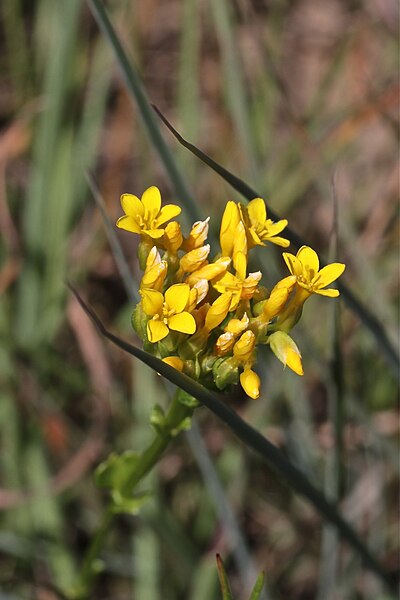
Gentiana kirilowii = Gentiana tianschanica (Gentianaceae)


The Evolutionary Tapestry of Gentianaceae
The Gentianaceae family represents a significant lineage within the angiosperms, comprising approximately 105 genera and around 1,600 species. This vast diversity suggests a long and complex evolutionary history, likely originating in the Cretaceous period. Phylogenomic studies place Gentianaceae within the Gentianales order, a group characterized by specific floral structures and chemical compounds.
Their geographical distribution is nearly cosmopolitan, with notable centers of diversity in temperate and montane regions of the Northern Hemisphere, as well as in South America. This widespread presence indicates successful adaptation to a multitude of ecological niches, from alpine tundra to tropical forests, showcasing remarkable evolutionary plasticity. The family's genetic makeup and morphological variations are subjects of ongoing research, aiming to unravel the precise relationships between its numerous genera and understand the drivers of its extensive speciation.
From Ancient Remedies to Modern Pharmacology
The historical significance of Gentianaceae is deeply rooted in its ethnobotanical applications, particularly its use in traditional medicine. For centuries, various species, most famously those in the genus Gentiana, have been prized for their potent bitter compounds, such as secoiridoids and xanthones. These compounds are known to stimulate the digestive system, increasing saliva and gastric juice production, which historically made them valuable as appetizers and remedies for dyspepsia and anorexia.
The scientific investigation into these plants has validated many of these traditional uses, leading to their incorporation into modern herbal remedies and even some pharmaceutical preparations. Understanding the specific chemical profiles of different species is crucial for harnessing their therapeutic potential safely and effectively, highlighting the enduring link between plant biodiversity and human health.
Ecological Roles and Biodiversity Hotspots
Gentianaceae plays a critical role in maintaining ecosystem health and supporting biodiversity. As flowering plants, they are primary producers, forming the base of many food webs. Their vibrant and often nectar-rich flowers are crucial resources for a wide array of pollinators, including bees, butterflies, and moths.
The specific color spectrum of their blooms, particularly their strong representation of blues and violets, is highly attractive to hymenopteran pollinators, which possess excellent vision in these ranges. Furthermore, many Gentianaceae species are adapted to specific, often fragile, habitats like alpine meadows and serpentine soils, making them important indicators of environmental health. Their presence can signify intact ecosystems, and their decline can signal habitat degradation or climate change impacts, underscoring their value as bioindicators.
The Intricate Mechanisms of Gentianaceae Survival
The success of the Gentianaceae family can be attributed to a combination of fascinating biological mechanisms. Their reproductive strategies are diverse, often relying on entomophily (pollination by insects) due to their visually striking floral displays. The chemical composition of their flowers and foliage also plays a role; the characteristic bitterness, while beneficial for medicinal uses, can also serve as a defense mechanism against herbivores.
Many species exhibit adaptations to challenging environments, such as drought tolerance or the ability to thrive in nutrient-poor soils, often facilitated by symbiotic relationships with mycorrhizal fungi. The genetic diversity within the family allows for adaptation to varying environmental pressures, contributing to their widespread distribution and resilience across different climates and terrains.
A Glimpse into the Gentianaceae Pantheon
Within the vast Gentianaceae family, certain genera stand out for their ecological, medicinal, or horticultural importance. The genus Gentiana itself is perhaps the most iconic, with its namesake species often exhibiting brilliant blue flowers and a long history of medicinal use. Other significant genera include Swertia, also known for its bitter properties and traditional medicinal applications, and Eustoma (often called Lisianthus), a popular ornamental plant prized for its elegant, rose-like blooms.
The study of these diverse genera provides insights into convergent evolution, adaptation to specific environments, and the development of unique biochemical pathways. Their continued presence in both wild ecosystems and cultivated gardens highlights their enduring appeal and multifaceted value to both nature and humanity.
See also
Frequently Asked Questions
What is the Gentianaceae family?+
Why do Gentianaceae flowers look so blue and violet?+
How do Gentianaceae plants help people?+
Where can I find Gentianaceae plants?+
Why are Gentianaceae plants important for the environment?+
Based on content from Wikipedia · Licensed under CC BY-SA 4.0