

Fur Seals: The Fuzzy Ocean Explorers!
Images
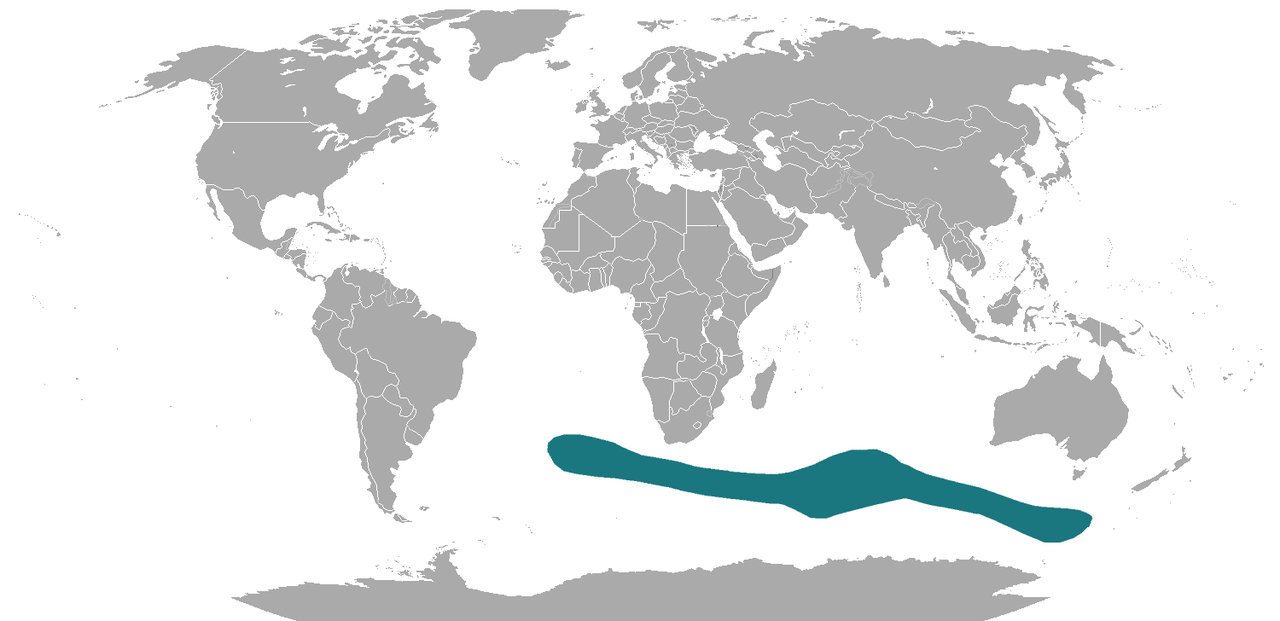
Subantarctic Fur Seal area


Geographic Distribution and Habitat Specificity
The subfamily Arctocephalinae, commonly known as fur seals, exhibits a fascinating geographic distribution, predominantly concentrated in the Southern Hemisphere. Eight species, all belonging to the genus Arctocephalus, inhabit the cold coastal waters and islands of continents such as South America, Africa, Australia, and New Zealand, extending into sub-Antarctic and Antarctic regions. These environments are characterized by upwelling zones that support rich marine ecosystems, providing abundant food sources.
In contrast, the sole member of a different genus, Callorhinus ursinus, the Northern fur seal, occupies the North Pacific Ocean, ranging from Japan and Russia to the Bering Sea and the coast of Alaska. This distinct distribution pattern reflects divergent evolutionary pathways and adaptations to specific oceanic conditions and prey availability. The habitat requirements of fur seals, including access to breeding grounds and foraging areas, are critical factors influencing their population dynamics and vulnerability to environmental changes.
Morphological Adaptations and Evolutionary Lineage
Fur seals are distinguished by their exceptionally dense underfur, a critical adaptation for thermoregulation in frigid marine environments. This underfur, composed of fine, soft hairs, traps a layer of air close to the skin, providing superior insulation compared to the blubber-based insulation of true seals. Morphologically, fur seals, along with sea lions, belong to the family Otariidae, characterized by external ear flaps (pinnae) and the ability to rotate their hind flippers forward, enabling quadrupedal locomotion on land.
This contrasts sharply with phocids (true seals), which lack external ears and move by undulating their bodies. Genetic and morphological evidence indicates that fur seals are more closely related to sea lions than to true seals. Within the fur seals, the eight species of Arctocephalus are more closely related to each other and to sea lions than they are to the Northern fur seal (Callorhinus ursinus), which represents an earlier divergence within the Otariidae lineage. These adaptations underscore their success as marine predators and their unique evolutionary position.
Historical Exploitation and Conservation Imperatives
The history of fur seals is inextricably linked to commercial exploitation, primarily for their valuable pelts. During the 18th and 19th centuries, fur seals were hunted with extreme intensity, leading to drastic population declines and the endangerment or extinction of several species and subspecies. The dense, luxurious fur was highly prized, driving extensive sealing operations across their ranges.
This period of overhunting serves as a stark historical example of the devastating impact unregulated human activity can have on wildlife populations. Recognizing the severity of these declines, international conservation efforts began to emerge. The establishment of protected areas, the implementation of hunting quotas, and international agreements have been instrumental in the recovery of many fur seal populations.
However, challenges persist, including bycatch in fishing gear, habitat degradation, and the ongoing impacts of climate change on marine ecosystems and prey availability, necessitating continued monitoring and adaptive management strategies.
Ecological Niches and Trophic Interactions
Fur seals occupy important positions as apex predators within their respective marine ecosystems. Their diet primarily consists of fish, squid, and crustaceans, varying by species and geographic location. For instance, the Antarctic fur seal feeds heavily on krill, playing a significant role in the Antarctic food web.
By preying on a variety of marine organisms, fur seals help regulate populations of their prey species, influencing the structure and dynamics of the entire ecosystem. Their presence and abundance can serve as indicators of ocean health. Furthermore, as prey for larger marine predators like killer whales and sharks, they are an integral part of the marine trophic cascade.
Understanding these complex ecological interactions is crucial for effective conservation, as disruptions at one level can have cascading effects throughout the food web.
Modern Relevance
In contemporary times, fur seals are subjects of extensive scientific research, focusing on their population genetics, foraging behavior, reproductive success, and responses to environmental stressors. This research informs management decisions aimed at ensuring the long-term viability of fur seal populations. While commercial hunting has been significantly curtailed, some limited, regulated harvesting still occurs in certain regions.
However, the primary conservation concerns now revolve around anthropogenic threats such as climate change, which can alter prey distribution and abundance, and increase the frequency of extreme weather events impacting breeding colonies. Entanglement in marine debris and bycatch in fisheries also pose ongoing risks. The future outlook for fur seals depends on continued international cooperation, robust scientific monitoring, and proactive conservation measures that address these multifaceted challenges, ensuring their continued presence in the world's oceans.
Go deeper
Frequently Asked Questions
What makes fur seals so warm in cold water?+
Where do fur seals live?+
How do fur seals move on land?+
Why were fur seals hunted so much in the past?+
What is being done to help fur seals recover?+
Based on content from Wikipedia · Licensed under CC BY-SA 4.0