

Friedrich Schiller
Images
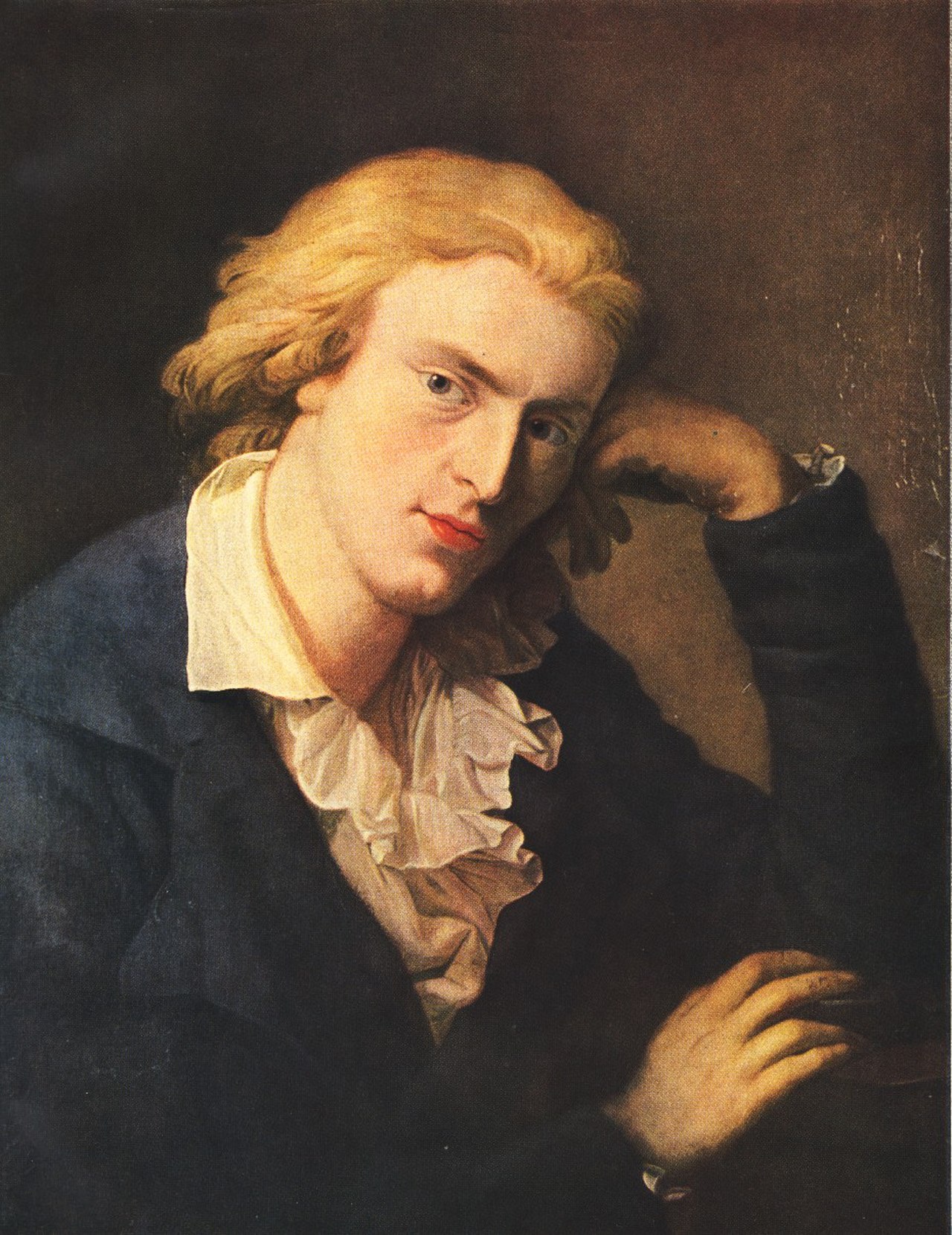
Friedrich Schiller
From Autocratic Constraint to Artistic Liberation
Born on November 10, 1759, in Marbach, Friedrich Schiller's early life was marked by the rigid control of Duke Karl Eugen of Württemberg. His compulsory attendance at the Karlsschule military academy, where he studied law and medicine, fostered a deep resentment of authoritarianism that would fuel his later works. Despite the oppressive environment, Schiller's literary ambitions flourished in secret.
His groundbreaking drama, 'Die Räuber' (The Robbers), penned in his early twenties, was a sensation. Its raw portrayal of rebellion against corrupt authority and its passionate, almost Romantic, sensibility challenged theatrical conventions and resonated with a generation yearning for change. The play's controversial success forced Schiller to flee Württemberg, initiating a period of precarious existence but ultimately liberating him to pursue his true calling as a poet, playwright, and philosopher, establishing him as a formidable voice against tyranny.
The Weimar Synthesis
The final seventeen years of Schiller's life (1788-1805) were defined by his complex yet profoundly fruitful relationship with Johann Wolfgang von Goethe. Settling in Weimar, a hub of intellectual activity, their friendship became a cornerstone of what is now known as Weimar Classicism. While Goethe represented a more mature, perhaps more restrained, classical aesthetic, Schiller brought a fiery idealism and a focus on dramatic conflict and moral struggle.
Their frequent dialogues, often centered on aesthetics and the philosophy of art, spurred significant creative output. Schiller encouraged Goethe to complete monumental works and collaborated with him on satirical epigrams like 'Xenien,' targeting literary and philosophical opponents. Together, they co-founded the Weimar Theater, aiming to elevate German drama and establish a national theatrical tradition.
This period represents a high point in German literature, characterized by a synthesis of classical form and Enlightenment ideals.
Philosophical Underpinnings
Schiller's dramatic and poetic output is deeply intertwined with his philosophical inquiries. He was profoundly influenced by Immanuel Kant, particularly Kant's ideas on freedom and morality. Schiller sought to reconcile the rational and the sensual aspects of human nature, arguing in essays like 'On the Aesthetic Education of Man' that true freedom and moral development are achieved through the cultivation of beauty and the 'play drive.' He believed that art possesses the unique capacity to harmonize these opposing forces, leading individuals towards moral autonomy and a more complete humanity.
His plays often dramatize these philosophical concepts, exploring the tension between duty and inclination, reason and passion, and the individual's struggle for self-determination within societal constraints. This intellectual rigor elevates his works beyond mere entertainment to profound meditations on the human condition.
Enduring Relevance
Friedrich Schiller's enduring significance lies in his timeless exploration of universal human themes. His passionate advocacy for freedom, justice, and human dignity continues to resonate in a world still grappling with oppression and inequality. Plays like 'William Tell,' a powerful allegory of national liberation, and 'Don Carlos,' which delves into the complexities of political freedom and personal conscience, remain relevant touchstones for understanding societal struggles.
Furthermore, his optimistic vision, particularly articulated in his 'Ode to Joy' (famously set to music by Beethoven), celebrates universal brotherhood and the potential for human unity. Schiller's ability to imbue his dramatic narratives with profound philosophical insight and emotional intensity ensures his place not just in German literary history, but as a vital voice in the global conversation about what it means to be human and to strive for a better world.
A Legacy Beyond the Stage
Schiller's influence extends far beyond the theatrical stage. His academic career as a professor of History and Philosophy at the University of Jena allowed him to disseminate his ideas to a wider audience, shaping intellectual discourse. His historical writings, though perhaps less celebrated than his dramas, offered critical perspectives on past events.
His poetry, including the iconic 'Ode to Joy,' has inspired countless artists and thinkers, most notably Ludwig van Beethoven, whose Ninth Symphony immortalized Schiller's message of universal fraternity. Schiller's life, marked by struggle against authority and a relentless pursuit of artistic and intellectual truth, serves as a testament to the power of the individual spirit and the enduring impact of thoughtful, passionate creative work. He remains a symbol of intellectual courage and artistic excellence.
Go deeper
Frequently Asked Questions
Who was Friedrich Schiller?+
Why did Schiller leave Württemberg?+
What is Weimar Classicism?+
How did Schiller think about freedom?+
What did Schiller do with Goethe at the theater?+
Based on content from Wikipedia · Licensed under CC BY-SA 4.0