

The Frick Collection: A Treasure Trove of Art!
Images
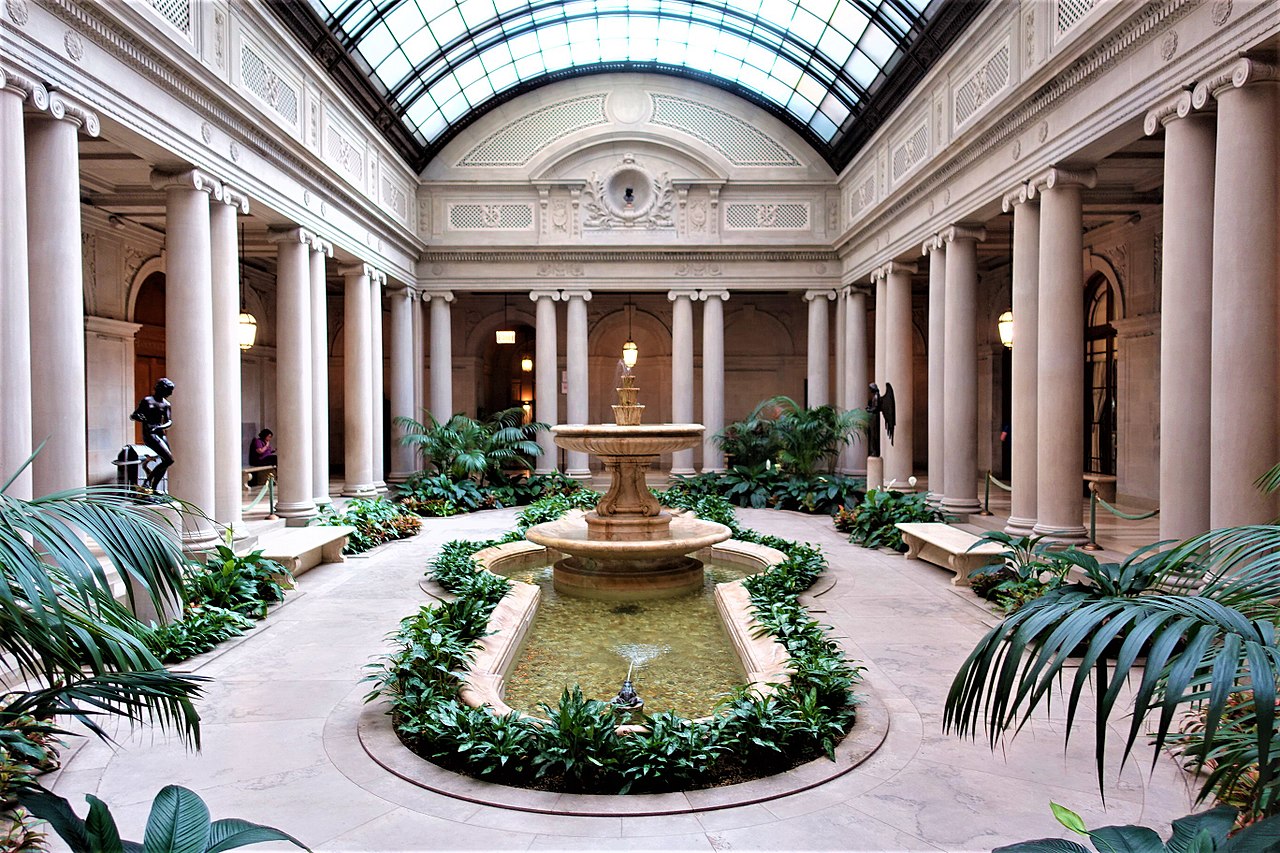
Frick Collection - www.joyofmuseums.com - external 2


From Industrial Baron's Residence to Cultural Institution
The Frick Collection stands as a remarkable testament to the vision of Henry Clay Frick, an American industrialist whose immense wealth, accumulated through coal and steel, fueled a passion for collecting European art. His residence, the Henry Clay Frick House, designed by Thomas Hastings in the Beaux-Arts style, was conceived not merely as a home but as a sophisticated setting for his burgeoning collection. Following his death in 1919, his will stipulated that his art be preserved for public enjoyment.
This directive led to the formation of the Frick Collection Inc. in 1920 and the subsequent transformation of the mansion into a museum, which opened its doors in 1935 under the curatorial guidance of Sir Joseph Duveen. The house itself, a masterpiece of architecture, provides an intimate context for the artworks, a stark contrast to the often cavernous scale of larger institutions. Over the decades, the collection has been judiciously augmented, and the building has undergone expansions, most recently a significant renovation project that saw the collection temporarily relocated to Frick Madison, underscoring its continuous evolution and commitment to accessibility and preservation.
Curatorial Excellence
The Frick Collection's strength lies not only in the caliber of its approximately 1,500 artworks but also in the deliberate and harmonious arrangement that Henry Clay Frick himself initiated. The collection predominantly features European paintings from the 14th to the 19th centuries, showcasing seminal works by artists such as Giovanni Bellini, Jean-Honoré Fragonard, Thomas Gainsborough, Francisco Goya, Hans Holbein the Younger, Rembrandt van Rijn, Titian, J.M.W.
Turner, Diego Velázquez, Johannes Vermeer, and James McNeill Whistler. Beyond paintings, the collection is rich in other European fine and decorative arts, including sculpture, enamels, furniture, and porcelain, meticulously chosen to complement the paintings and enhance the residential ambiance. This curated approach allows for a deep engagement with each piece, fostering an understanding of artistic movements, historical contexts, and the collector's discerning taste.
The intimate scale of the museum encourages contemplative viewing, offering a unique perspective on these iconic works of art.
The Frick Art Reference Library
Complementing the public exhibition spaces is the Frick Art Reference Library, a vital scholarly resource established by Helen Clay Frick in 1920. This institution is dedicated to the study and documentation of European art, particularly that represented in the Frick Collection and other major American museums. Its extensive holdings include books, periodicals, sales catalogs, auction records, exhibition catalogs, photographs, and archival materials, making it an indispensable center for art historians, researchers, and students.
The library's commitment to preserving and disseminating art historical knowledge plays a crucial role in scholarship and in enriching the public's understanding of the artworks on display. Its continued operation underscores the Frick's dual mission: to present exceptional art and to support the academic inquiry that surrounds it.
Enduring Significance and Contemporary Relevance
The Frick Collection's enduring appeal stems from its unique synthesis of world-class art, historic architecture, and an intimate viewing experience. In an era of increasingly large and impersonal museums, the Frick offers a sanctuary for focused appreciation. Its consistent positive reception highlights the value placed on curated collections and the power of context in experiencing art.
The museum's role extends beyond mere exhibition; it serves as a custodian of cultural heritage, actively engaging in preservation, research, and education. The ongoing renovations and temporary exhibitions demonstrate a forward-looking approach, ensuring the Frick remains a dynamic and relevant institution. Its ability to consistently draw hundreds of thousands of visitors annually speaks to its profound impact on the cultural landscape, offering a timeless encounter with artistic genius.
The Frick's Place in the Art World Ecosystem
The Frick Collection occupies a distinctive niche within the global art museum landscape. Its focused collection, primarily European Old Masters, stands in contrast to encyclopedic museums that cover a broader range of cultures and time periods. This specialization allows for a depth of connoisseurship and a cohesive narrative that is highly valued by art historians and enthusiasts.
The museum's acquisition strategy, though more limited than larger institutions, has historically focused on acquiring works of exceptional quality that align with Frick's original vision, thereby maintaining the collection's integrity. Furthermore, the Frick's engagement with scholarly research through its library and its occasional, highly selective temporary exhibitions contribute to ongoing dialogues within art history. Its endowment fund ensures its financial stability, allowing it to continue its mission of preservation, scholarship, and public engagement, solidifying its status as a premier destination for those seeking a profound connection with European art.
See also
Based on content from Wikipedia · Licensed under CC BY-SA 4.0