

The Amazing Flag of Iran!
Images
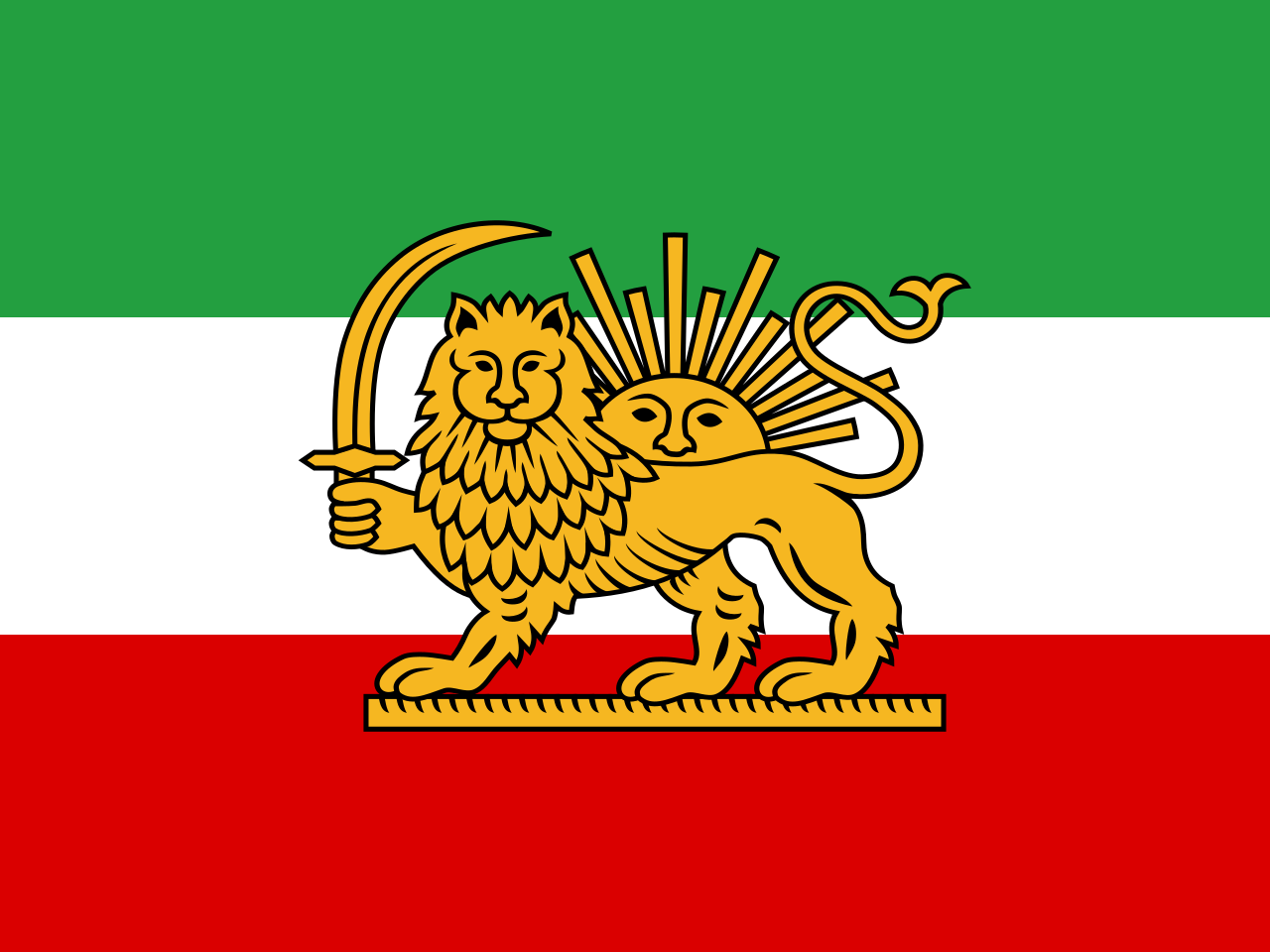
Tricolour Flag of Iran (1886)


The Tricolor as a Canvas of National Identity
The flag of Iran, a horizontal tricolor of green, white, and red, serves as a potent emblem of national identity, deeply rooted in historical and cultural significance. The Pan-Iranian colors themselves evoke a sense of continuity and shared heritage. The green band is widely interpreted to represent Islam, fertility, and the verdant landscapes of Iran, while the white band symbolizes peace, purity, and the pursuit of justice.
The red stripe stands for courage, sacrifice, and the revolutionary spirit, often referencing the blood shed in defense of the nation. This deliberate arrangement of colors creates a visual narrative that encapsulates core values and aspirations of the Iranian people. The equal width of the bands suggests equality and unity among the diverse populations within Iran.
The flag’s design is not merely decorative; it is a deliberate construction intended to convey a complex message about the nation's character and its historical trajectory.
Sacred Geometry and Divine Inscription
The central element of the flag, the national emblem in red, is a stylized calligraphic representation of the word 'Allah.' This design is a powerful assertion of the Islamic Republic's religious foundation and its theological underpinnings. The emblem’s intricate design is meant to be both aesthetically pleasing and theologically significant, reflecting a fusion of art and faith. Further reinforcing this spiritual dimension, the phrase 'Allahu Akbar' (God is Great) is inscribed 11 times in white Kufic script along the inner edges of the green and red bands.
The number 11 is also significant in Shia Islam, often associated with the Imams. The repetition of this phrase acts as a constant reminder of divine sovereignty and the nation's commitment to Islamic principles. The choice of Kufic script, an ancient and revered form of calligraphy, connects the contemporary flag to centuries of Islamic artistic and intellectual tradition, imbuing it with historical depth and gravitas.
Evolution of a National Symbol
The current flag of Iran is a product of significant historical transformation, most notably the Iranian Revolution of 1979. The flag originally adopted in 1907 featured the Lion and Sun emblem, a symbol deeply associated with the Persian monarchy and imperial history. This emblem, depicting a lion with a rising sun and often a sword, represented strength, sovereignty, and a pre-Islamic Persian identity.
However, the revolution ushered in a new political order, the Islamic Republic, necessitating a redefinition of national symbols. The Lion and Sun was replaced by the current emblem and the 'Allahu Akbar' inscriptions, officially adopted on July 29, 1980. This transition from the Lion and Sun to the current design signifies a profound ideological shift, moving from a monarchical and more secular Persian identity to one explicitly defined by Islamic principles and revolutionary ideals.
The change reflects the dramatic political and social restructuring that occurred in Iran.
Diaspora and Dissent
The evolution of Iran's flag has also led to its use as a symbol of political dissent and identity within the Iranian diaspora. Many Iranians living outside the country, particularly those who oppose the current government or identify with the pre-revolutionary era, continue to fly the flag with the Lion and Sun emblem. This older flag is often seen as representing a secular, democratic, or monarchist vision for Iran.
Additionally, some individuals and groups opt for the plain tricolor without any central emblem, which can symbolize a broader, non-sectarian Persian identity or a desire for a unified national front. The existence and display of these alternative flags highlight the ongoing political divisions and the contested nature of national symbolism. For those who use them, these flags are not just historical artifacts but active statements of political belief and aspirations for Iran's future, demonstrating the complex relationship between a nation's flag and its people, both at home and abroad.
See also
Frequently Asked Questions
What colors are on Iran's flag?+
What does each color on the flag represent?+
Why is there a symbol of Allah on the flag?+
Why did Iran's flag change after 1979?+
What is the meaning of the 11 'Allahu Akbar' inscriptions on the flag?+
Based on content from Wikipedia · Licensed under CC BY-SA 4.0