

National Emblem: Your Country's Secret Symbol!
Images

National emblem of Afghanistan (Gold)
![Carter, decorative printer, 47 Merrimack Street, Haverhill, Mass. National emblems of the world. Carter's forty flags, emblematical colors, representing banners and ensigns of forty chief nations of the world. [front]](https://live.staticflickr.com/7382/9785769443_137b954444_n.jpg)


![Carter, decorative printer, 47 Merrimack Street, Haverhill, Mass. National emblems of the world. Carter's forty flags, emblematical colors, representing banners and ensigns of forty chief nations of the world. [front]](https://live.staticflickr.com/5481/9785685715_998ebdc34b_n.jpg)
![Carter, decorative printer, 47 Merrimack Street, Haverhill, Mass. National emblems of the world. Carter's forty flags, emblematical colors, representing banners and ensigns of forty chief nations of the world. [front]](https://live.staticflickr.com/5339/9785686605_ba40199564_n.jpg)


The Emblem as State Apparatus
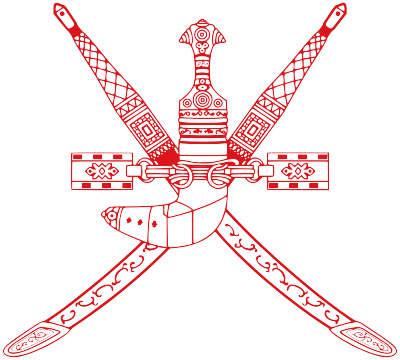
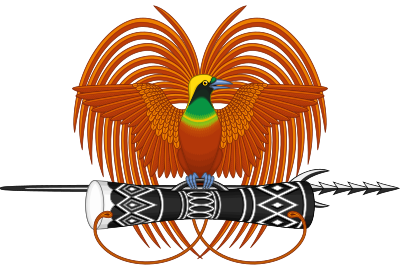
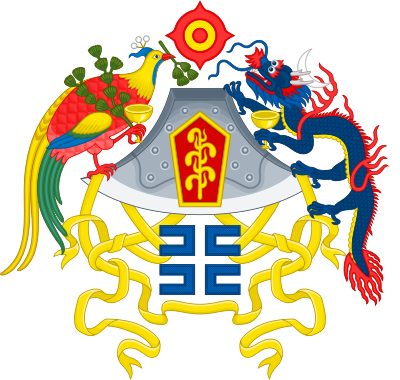
A national emblem is far more than a mere decorative symbol; it is an official instrument of statehood, formally reserved for use by a sovereign nation or a multinational state. Its primary function is to serve as a visual identifier of governmental authority and national sovereignty. Unlike a national flag, which is a pervasive symbol of the nation itself, the emblem often carries a more specific, official weight, appearing on legal documents, judicial seals, government buildings, and currency.
Its adoption and design are typically matters of state policy, reflecting the nation's historical narrative, political ideology, and cultural heritage. The emblem acts as a visual guarantor of authenticity and legitimacy for official acts, distinguishing state-sanctioned actions from those of private entities or sub-national groups. It is a critical component of a nation's diplomatic and administrative infrastructure, ensuring clear identification on the international stage and within its own borders.
From Royal Seals to Republican Icons
The historical lineage of national emblems is deeply intertwined with the development of state power and heraldry. Many modern emblems trace their origins to medieval royal seals, which were used by monarchs to authenticate decrees and charters, thereby imbuing the seal's imagery with the authority of the crown. These seals often incorporated dynastic symbols, religious iconography, or representations of territorial claims.
As nations transitioned from monarchies to republics or constitutional monarchies, these emblems were often retained, adapted, or redesigned to reflect new political realities. For instance, republican emblems might replace royal crowns with symbols of liberty or popular sovereignty. This evolution demonstrates how emblems are dynamic representations, capable of adapting to changing national identities while still retaining a connection to historical continuity.
The process of emblem design and adoption can itself be a significant historical event, reflecting national consensus or political compromise.
The Semiotics of Statehood
The visual language of national emblems is rich with semiotic meaning, with each element carefully chosen to convey specific messages about the nation. Common motifs include powerful animals (eagles, lions, bears) symbolizing strength, courage, or dominion; flora (oak, laurel, olive branches) representing endurance, peace, or victory; and celestial bodies or geographical features signifying national aspirations or unique characteristics. Religious or mythological figures may appear, reflecting a nation's spiritual heritage or foundational myths.
The arrangement of these elements, the use of specific colors, and the inclusion of mottos or inscriptions all contribute to the emblem's narrative. Understanding these symbolic layers provides insight into a nation's self-perception, its historical grievances or triumphs, and its core values. The emblem, therefore, functions as a condensed visual manifesto of national identity.
The Emblem's Role in National Cohesion and International Relations
National emblems play a dual role in fostering both internal cohesion and external recognition. Internally, they serve as potent symbols of national unity, transcending regional, ethnic, or political divides. By providing a common visual touchstone, emblems can help cultivate a shared sense of belonging and collective identity among citizens.
This is particularly important in diverse or historically fragmented societies. Externally, the emblem is a fundamental tool of diplomacy and international representation. It is used to identify state representatives, authenticate official communications, and mark national presence in international organizations and events.
Its consistent and proper use reinforces a nation's legitimacy and sovereignty in the global arena. The international recognition and respect afforded to a national emblem are thus intrinsically linked to the nation's standing and influence in world affairs.
Contemporary Relevance and the Future of National Emblems
In an increasingly interconnected world, the function of national emblems remains vital, though its context evolves. While traditional emblems continue to represent established nations, the digital age presents new avenues for their display and interpretation. Emblems are now ubiquitous online, appearing on government websites, social media profiles, and digital identification systems.
Furthermore, the design and evolution of emblems can reflect contemporary national priorities, such as environmental consciousness (e.g., incorporating symbols of conservation) or a commitment to human rights. The process of updating or reinterpreting emblems can sometimes be contentious, highlighting the deep emotional and political significance these symbols hold for a populace. Ultimately, national emblems endure as powerful, albeit evolving, markers of statehood and collective identity in the 21st century.
See also
Frequently Asked Questions
What is a national emblem?+
How is a national emblem different from a flag?+
Why do national emblems have animals or flowers on them?+
How do countries choose what goes on their emblem?+
Can a national emblem change over time?+
Based on content from Wikipedia · Licensed under CC BY-SA 4.0