

Firth of Forth
Images
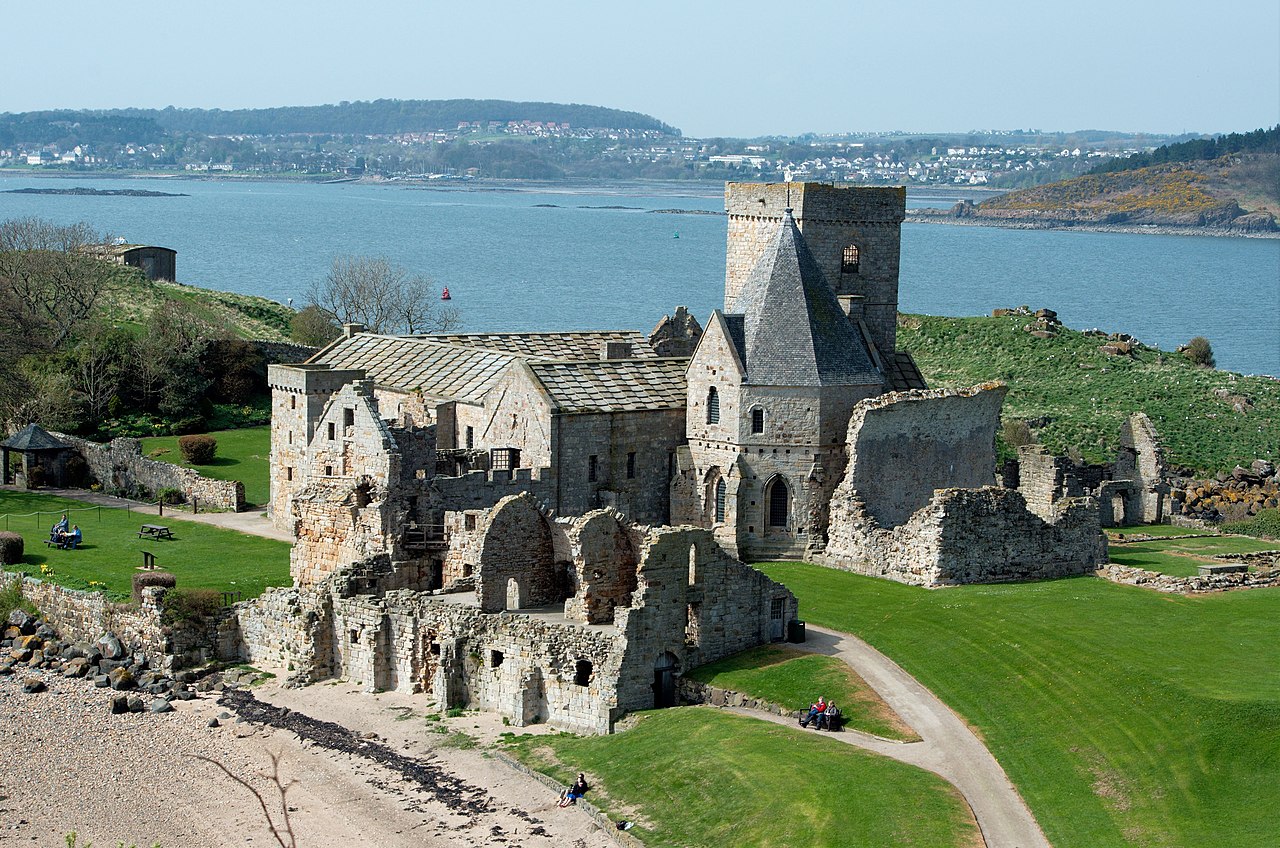
Inchcolm Abbey, Inchcolm, Firth of Forth, Scotland-9April2011


Geological Genesis and Hydrological Significance
The Firth of Forth is a prominent example of a glacial fjord, a long, narrow inlet carved by the erosive power of glaciers during past ice ages. Its distinctive 'trunk and branch' shape, with a wide mouth opening to the North Sea and narrowing inland to form the estuary of the River Forth and its tributaries, is a direct result of this glacial sculpting. This hydrological system is crucial, as the firth acts as a conduit for freshwater runoff from a substantial landmass, influencing salinity gradients and sediment transport within the firth and impacting the wider North Sea ecosystem.
The dynamic interplay between tidal forces, riverine discharge, and oceanic currents creates a complex environment that supports diverse habitats and influences coastal geomorphology. The firth's bathymetry, with varying depths, also plays a role in its maritime significance, accommodating deep-water ports and offshore infrastructure.
A Nexus of Historical Development and Strategic Importance
Throughout history, the Firth of Forth has served as a pivotal strategic location for Scotland. Its sheltered waters provided natural harbors for early settlements and later for naval bases, influencing trade routes and military operations for centuries. The presence of the firth facilitated the growth of major settlements like Edinburgh, which, though not directly on the firth's open waters, benefited immensely from its proximity and the access it provided to maritime commerce.
The construction of iconic bridges, such as the Forth Bridge and the Forth Road Bridge, further cemented its importance as a transportation corridor, physically linking Fife and Lothian and transforming regional connectivity. These engineering marvels are not only feats of construction but also symbols of the firth's enduring role in connecting Scotland.
Economic Engine
The economic landscape of the Firth of Forth is multifaceted and has evolved significantly over time. Historically, its ports were vital for international trade, importing and exporting goods that fueled Scotland's industrial growth. Today, while traditional industries like fishing and shipbuilding may have changed, the firth remains a critical economic zone.
It hosts major port facilities, supporting global shipping and logistics. Furthermore, the firth is at the forefront of Scotland's transition to renewable energy. The vast expanse of its waters and the consistent winds make it an ideal location for offshore wind farms, contributing significantly to the nation's clean energy targets.
This dual role as a hub for traditional maritime activities and a pioneer in green energy underscores its ongoing economic relevance.
Cultural Tapestry and Contemporary Relevance
The Firth of Forth is deeply embedded in the cultural identity of Scotland. Its dramatic landscapes have inspired countless artists, writers, and poets, becoming a recurring motif in Scottish literature and visual arts. The traditions of coastal communities, their connection to the sea, and their resilience are all part of the firth's cultural narrative.
In contemporary times, the firth continues to be a focal point for leisure and tourism, attracting visitors who come to experience its natural beauty, historical sites, and recreational opportunities. Its role in education is also significant, with marine research institutions and universities utilizing its unique environment for scientific study. The ongoing development of its infrastructure and its embrace of new technologies ensure that the Firth of Forth remains a dynamic and relevant geographical and cultural entity.
Governance and Environmental Stewardship
The governance and management of the Firth of Forth involve a complex web of local authorities, national agencies, and international agreements, reflecting its multifaceted importance. Bodies like Marine Scotland and various local councils are responsible for overseeing maritime activities, environmental protection, and resource management within the firth. The increasing recognition of its ecological sensitivity has led to the establishment of protected areas and a focus on sustainable practices to balance industrial, commercial, and conservation interests.
Addressing challenges such as pollution, habitat degradation, and the impacts of climate change requires coordinated efforts and a commitment to long-term environmental stewardship. The future of the Firth of Forth hinges on effective governance that ensures its continued vitality for both human use and ecological health.
See also
Frequently Asked Questions
What is the Firth of Forth?+
Why is the Firth of Forth important for ships and ports?+
How do the Forth Bridge and Forth Road Bridge help people?+
What kinds of animals live in the Firth of Forth?+
Why are wind farms built on the Firth of Forth?+
Based on content from Wikipedia · Licensed under CC BY-SA 4.0