

Electricity Generation: Making Power!
Images
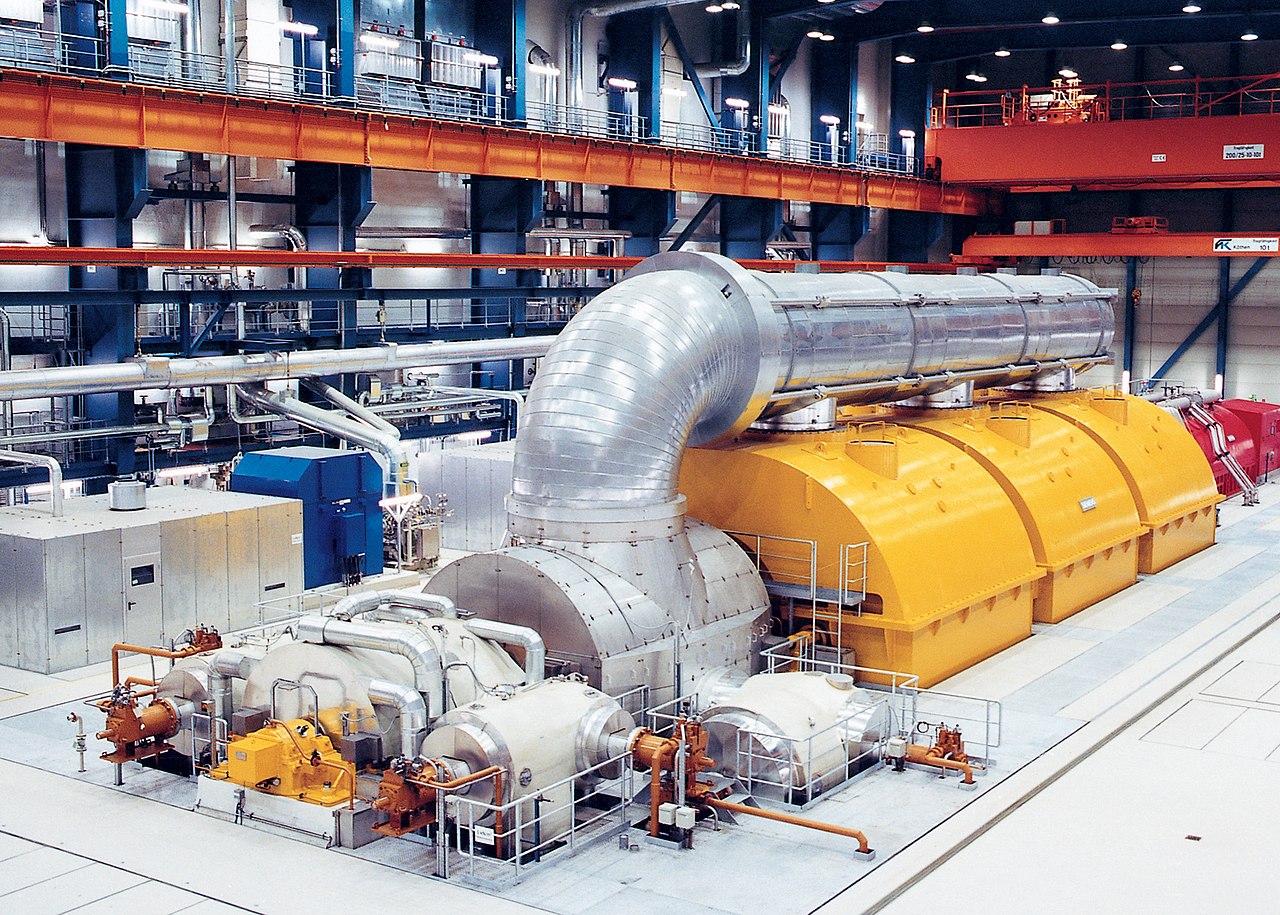
Electricity generation


The Evolution of Power
Electricity generation has undergone a dramatic transformation since the late 19th century. Initially dominated by steam engines burning coal to drive dynamos, the technology has diversified immensely. The development of hydroelectric power harnessed the kinetic energy of water, offering a cleaner alternative.
The mid-20th century saw the rise of nuclear power, providing a high-density energy source, albeit with complex waste management challenges. More recently, the surge in renewable energy technologies, particularly solar photovoltaics and wind turbines, marks a significant shift towards sustainability. This evolution reflects not only technological advancement but also changing economic landscapes and growing environmental consciousness, driving innovation in grid management and energy storage.
Harnessing Nature's Forces
Hydroelectric power remains a cornerstone of global electricity supply, leveraging the gravitational potential energy of water stored behind dams. Large-scale projects can provide vast amounts of reliable power, but they also carry significant environmental and social impacts, including habitat alteration and displacement. Wind energy has seen exponential growth, with advancements in turbine design and offshore installations enabling greater efficiency and capacity.
Solar energy, particularly through photovoltaic (PV) technology, is becoming increasingly accessible and cost-effective. PV cells convert photons from sunlight directly into electrical current, offering decentralized power generation possibilities. Geothermal energy utilizes the Earth's internal heat, providing a stable, baseload power source in geologically active regions.
The Role of Thermal Power and Emerging Technologies
Thermal power plants, primarily fueled by fossil fuels (coal, natural gas, oil) and nuclear fission, still constitute a significant portion of global electricity generation. These plants operate by heating a working fluid (usually water) to produce steam, which then drives turbines connected to generators. While fossil fuels are abundant and historically cost-effective, their combustion releases greenhouse gases, contributing to climate change.
Nuclear power offers a low-carbon alternative but faces challenges related to safety, waste disposal, and public perception. Emerging technologies like advanced nuclear reactors, concentrated solar power (CSP), and tidal energy are continually being developed to enhance efficiency, reduce environmental impact, and diversify the energy portfolio.
Economic, Environmental, and Societal Implications
The choice of electricity generation methods has profound economic, environmental, and societal consequences. Renewable energy sources, while often having higher initial capital costs, offer long-term operational savings and reduced environmental externalities. The transition to cleaner energy is crucial for mitigating climate change and improving air quality.
Economically, electricity generation drives job creation, technological innovation, and energy security. Societally, access to reliable and affordable electricity is a prerequisite for development, impacting education, healthcare, and overall quality of life. Balancing the need for energy with environmental protection and economic viability is the central challenge of modern electricity generation.
Go deeper
Frequently Asked Questions
What is electricity generation?+
How does hydroelectric power make electricity?+
Why is solar power good for the planet?+
What are some problems with big dams?+
What is nuclear power and what are its challenges?+
Based on content from Wikipedia · Licensed under CC BY-SA 4.0