

Cells: The Tiny Building Blocks of Everything!
Images

Plant Cell


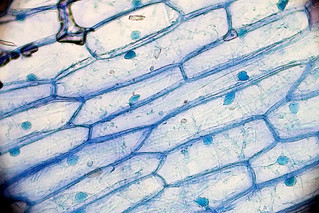


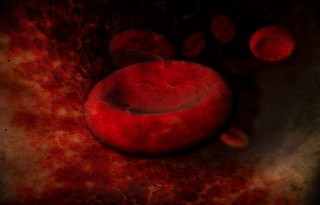

The Cell
Cells represent the most fundamental organizational unit of life, a concept central to modern biology. They are microscopic entities, yet they encapsulate the complexity and dynamism required for existence. The two primary classifications, prokaryotic and eukaryotic cells, highlight a significant evolutionary divergence.
Prokaryotes, like bacteria and archaea, are characterized by their simpler structure, lacking a membrane-bound nucleus and most organelles. Eukaryotes, encompassing plants, animals, fungi, and protists, possess a more elaborate internal architecture, including a distinct nucleus housing their genetic material and various specialized organelles. This structural dichotomy underpins the vast diversity of life, influencing everything from organismal complexity to metabolic pathways and reproductive strategies.
Understanding these differences is crucial for comprehending evolutionary history and the development of complex multicellular organisms.
A Historical Odyssey
The scientific exploration of cells began in the 17th century with the advent of microscopy. Robert Hooke's 1665 observation of cork cells, though limited by the technology of his time, laid the groundwork for future discoveries. Antonie van Leeuwenhoek's subsequent improvements to the microscope allowed him to observe living cells, including bacteria and protozoa, which he termed 'animalcules.' The 19th century witnessed the formal articulation of the cell theory by Matthias Schleiden and Theodor Schwann, who proposed that all living organisms are composed of cells and that the cell is the basic unit of structure and function. Rudolf Virchow later added that all cells arise from pre-existing cells, completing the foundational tenets of cell theory. This historical progression, driven by technological innovation and persistent scientific inquiry, transformed our understanding of life itself.
The Indispensable Role of Cellular Processes
The significance of cells extends far beyond their role as mere building blocks; they are the active agents of life's processes. Cellular respiration, for instance, is the metabolic pathway by which cells convert glucose and oxygen into ATP, the primary energy currency of life, fueling all cellular activities. Photosynthesis in plant cells captures light energy to synthesize organic compounds, forming the base of most food webs. Cell division, through mitosis and meiosis, is essential for growth, repair, and reproduction, ensuring the continuity of genetic information across generations.
Furthermore, specialized cells form tissues, organs, and organ systems, enabling complex physiological functions such as neural signaling, immune defense, and nutrient transport. The intricate coordination of these cellular activities is what sustains life and allows organisms to interact with their environment.
Cellular Mechanisms
Within the eukaryotic cell, a sophisticated network of organelles performs specialized functions. The nucleus, enclosed by a double membrane, contains the cell's DNA organized into chromosomes, dictating protein synthesis through transcription and translation. Mitochondria, often referred to as the powerhouses, generate the majority of the cell's ATP via oxidative phosphorylation. The endoplasmic reticulum and Golgi apparatus are integral to protein modification, folding, and transport, while lysosomes and peroxisomes handle waste degradation and detoxification.
The plasma membrane regulates the passage of substances into and out of the cell, maintaining cellular homeostasis. These interconnected systems ensure that the cell can efficiently carry out its diverse roles, from metabolic regulation to signal transduction and response to external stimuli.
Cells in Modern Science and Medicine
The study of cells, or cytology, is foundational to numerous scientific disciplines and has profound implications for modern medicine. Stem cell research, for example, explores the potential of undifferentiated cells to differentiate into various cell types, offering promising avenues for regenerative medicine and the treatment of diseases like Parkinson's and diabetes. Cancer research focuses on understanding the uncontrolled proliferation and aberrant behavior of cancer cells, leading to the development of targeted therapies and chemotherapies.
Advances in genetic engineering and molecular biology allow scientists to manipulate cellular processes for therapeutic purposes, such as gene therapy and the production of recombinant proteins like insulin. The ongoing exploration of cellular mechanisms continues to drive innovation in diagnostics, drug discovery, and our fundamental understanding of health and disease.
Go deeper
Frequently Asked Questions
What are cells and why are they important?+
How are prokaryotic and eukaryotic cells different?+
Who first saw cells with a microscope and what did they call them?+
What does a cell's mitochondria do?+
What is the cell theory and who helped create it?+
Based on content from Wikipedia · Licensed under CC BY-SA 4.0