

Eastern European Summer Time
Images

Polish Boy



The Rationale Behind Shifting Clocks
Eastern European Summer Time (EEST) represents a specific application of daylight saving time (DST) within the UTC+03:00 time zone. This temporal adjustment is not merely an arbitrary change but a deliberate strategy to optimize the use of natural daylight. By advancing clocks by one hour during the warmer months, EEST effectively shifts an hour of daylight from the morning to the evening.
This extension of evening daylight is primarily intended to benefit societal activities, encouraging outdoor recreation, extending business operating hours, and potentially reducing energy consumption by decreasing the need for artificial lighting in the evenings. The adoption of EEST, alongside other DST implementations across Europe, reflects a broader continental effort to harmonize timekeeping and maximize the utility of daylight, particularly in regions with significant variations in daylight hours between summer and winter.
Evolution of European Time Harmonization
The implementation of EEST is part of a larger, evolving framework for timekeeping across Europe. Since 1996, a standardized approach has been in place, dictating that DST begins on the last Sunday in March and concludes on the last Sunday in October. This uniformity was a significant development, as prior to this, individual European Union member states had varying DST schedules.
This lack of standardization could lead to complex logistical challenges for cross-border travel, communication, and trade. The 1996 directive aimed to create a more cohesive temporal landscape within the EU and associated countries. The current system, while standardized, has also been subject to ongoing discussions and proposals for potential abolition, highlighting the dynamic nature of time zone management and its societal impact.
Regional Temporal Alignment and Global Connections
EEST, operating at UTC+03:00 during its active period, aligns temporally with several other significant time zones, including Arabia Standard Time (AST), East Africa Time (EAT), and Moscow Time (MSK). This synchronization is more than a coincidental overlap; it facilitates smoother international interactions. For instance, businesses operating across these regions can coordinate meetings and operations with a predictable temporal relationship.
The alignment with Moscow Time is particularly notable, given the historical and geographical proximity of many EEST-observing countries to Russia. This temporal unity simplifies logistical planning for multinational corporations, international organizations, and even global communication networks, ensuring that key operational hours overlap effectively across these diverse geographical areas.
The Winter Transition
As the period of extended daylight wanes, EEST transitions back to its standard time counterpart, Eastern European Time (EET), which is UTC+02:00. This reversion is a critical component of the DST cycle, recalibrating the clock to better align with the natural progression of sunrise and sunset during the shorter days of autumn and winter. The shift back to EET ensures that morning daylight is available earlier, which is often considered beneficial for commuters, school children, and early morning workers.
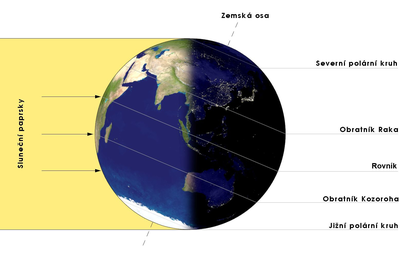
This cyclical adjustment between summer and winter time reflects a pragmatic approach to managing human activity in relation to the Earth's axial tilt and its effect on daylight hours, aiming to balance the benefits of extended evening light in summer with earlier morning light in winter.
Socioeconomic and Environmental Considerations
The implementation of EEST, like DST globally, carries potential socioeconomic and environmental implications. Proponents often cite energy savings as a key benefit, arguing that less artificial lighting is needed in the evenings. However, the extent of these savings is a subject of ongoing debate, with some studies suggesting minimal or even negative impacts on energy consumption due to increased use of heating or cooling during extended daylight hours.
Societally, the extended evening light can foster increased participation in outdoor activities, potentially boosting tourism and local economies. Conversely, the disruption caused by the biannual clock changes has been linked to temporary effects on human circadian rhythms, sleep patterns, and overall well-being, leading to calls for its permanent abolition in favor of a fixed time zone. The debate underscores the complex interplay between timekeeping practices and human behavior.
See also
Frequently Asked Questions
What is Eastern European Summer Time?+
Why do we move the clocks forward in summer?+
When does Eastern European Summer Time start and end?+
How does Eastern European Summer Time help people and businesses?+
What happens to the time when summer ends?+
Based on content from Wikipedia · Licensed under CC BY-SA 4.0