

East Timor
Images

East Timor relief location map




Opens Google Maps in new tab
Geopolitical Crossroads and Rugged Terrain
Timor-Leste occupies the eastern half of the island of Timor, situated in the Malay Archipelago, north of Australia. This strategic location places it within the dynamic geopolitical landscape of Southeast Asia. The country's topography is characterized by a central mountain range, with peaks like Mount Ramelau reaching 2,986 meters (9,800 feet), creating a challenging yet beautiful environment.
These mountainous interiors are covered in dense tropical forests, while the coastal areas feature diverse marine ecosystems, including significant coral reefs. The climate is tropical monsoon, with distinct wet and dry seasons, and high humidity. This varied geography influences everything from agriculture and infrastructure development to biodiversity, with numerous endemic species found in its forests and waters.
The country's small size and island nature present unique logistical and developmental challenges.
Languages and Enduring Traditions
The linguistic and cultural fabric of Timor-Leste is exceptionally rich, a testament to its complex history and diverse ethnic groups. Tetum Prasa serves as the national lingua franca, facilitating communication across different communities, while Portuguese is an official language, a legacy of colonial ties. However, over 30 indigenous Austronesian languages and Papuan languages are spoken, each with its own unique history and cultural context.
Traditional practices, including intricate tais weaving, communal ceremonies, and oral storytelling, remain vital. The concept of 'fatum' (ancestral land) and strong kinship ties are central to social organization. Despite the impacts of conflict and modernization, these traditions are actively preserved and celebrated, forming the bedrock of national identity and resilience.
The Crucible of Independence
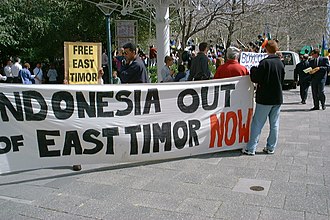
Timor-Leste's path to statehood is a compelling narrative of resistance and self-determination. Following Portugal's withdrawal in 1975, Indonesia invaded and occupied the territory, leading to a brutal 24-year conflict marked by widespread human rights abuses and significant loss of life. The Timorese people, however, consistently resisted occupation through armed struggle and diplomatic efforts.
The pivotal moment arrived with the UN-sponsored referendum in 1999, where an overwhelming majority voted for independence, despite widespread violence that followed. On May 20, 2002, Timor-Leste officially re-emerged as a sovereign nation, becoming one of the youngest democracies in the world. This hard-won independence continues to shape its national consciousness and foreign policy, emphasizing sovereignty and international cooperation.
Economic Realities
The Timorese economy is in a nascent stage of development, heavily reliant on oil and gas revenues, which provide a significant portion of government income. Agriculture remains the primary livelihood for a large segment of the population, with coffee being the most important export commodity, recognized globally for its high quality. Other agricultural products include rice, corn, and coconuts.
The government is actively pursuing economic diversification to reduce its dependence on hydrocarbons and create sustainable employment opportunities. Challenges include developing infrastructure, improving human capital through education and healthcare, and fostering private sector growth in non-oil sectors like tourism and fisheries. International aid and partnerships are crucial for supporting these development efforts.
Education as a Pillar of Nation-Building
Education is recognized as a critical component of Timor-Leste's post-independence development strategy. The government has prioritized expanding access to quality education at all levels, from early childhood to tertiary institutions. Significant investments have been made in building schools, training teachers, and developing a national curriculum that aims to foster critical thinking and national identity.
The establishment of the National University of Timor-Leste (UNTL) and various vocational training centers is vital for producing skilled professionals needed for the country's growth. Despite progress, challenges persist, including ensuring equitable access in remote areas, improving educational outcomes, and aligning curricula with labor market demands to empower the next generation of Timorese leaders and workers.
Go deeper
Frequently Asked Questions
What is East Timor and where is it located?+
Why is East Timor known for its mountains and beaches?+
How many languages are spoken in East Timor?+
When did East Timor become an independent country?+
What is the main export of East Timor?+
Based on content from Wikipedia · Licensed under CC BY-SA 4.0