

Doubles Curling: The Speedy Ice Game!
Images
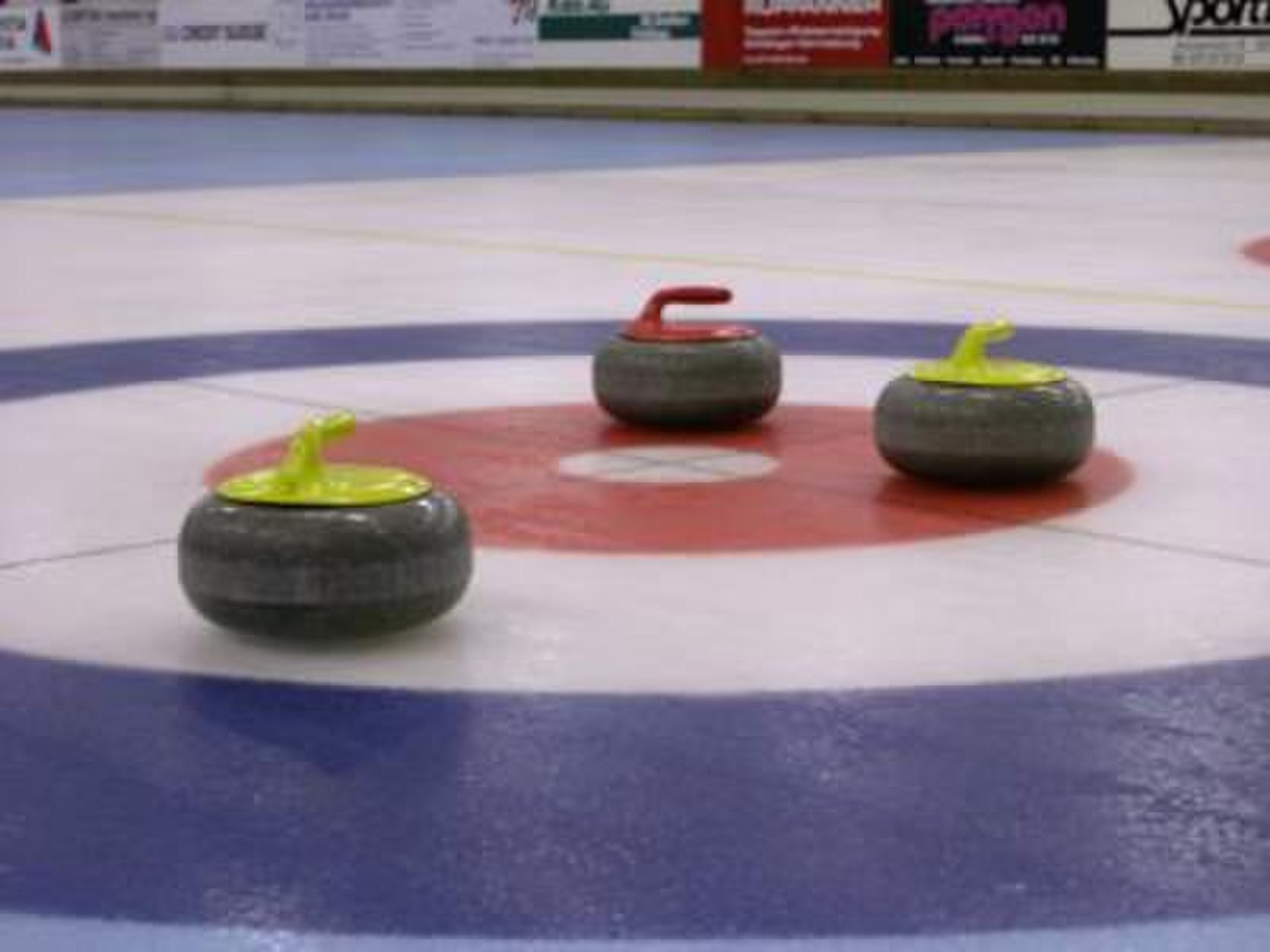
Doubles curling


The Evolution of Curling
Doubles curling represents a significant evolution in the sport, condensing the strategic complexity and physical demands of traditional four-person curling into a more dynamic, two-player format. The most common iteration, mixed doubles, mandates a team composition of one male and one female athlete, adding another layer of collaborative strategy. This format emerged as a response to the desire for quicker games and increased accessibility in international competition.
Unlike its predecessor, doubles curling features a reduced number of stones per team per end (typically five, compared to eight in traditional curling), necessitating a higher degree of precision and immediate strategic impact from each thrown stone. The game's pace is considerably faster, with less downtime between shots and a more concentrated focus on offensive and defensive maneuvers. This intensity requires athletes to possess a broad skill set, encompassing not only the finesse of delivering a stone and the power of sweeping but also an acute understanding of ice conditions and opponent tendencies.
The smaller team size amplifies the importance of individual performance and the synergy between partners, making it a compelling test of skill and partnership.
Democratizing the Rink
One of the most profound impacts of doubles curling has been its role in democratizing international curling. The logistical and financial barriers to entry for smaller nations are significantly lowered with a two-person team compared to a four-person team. This has led to an unprecedented expansion of participation in global curling events.
The World Mixed Doubles Championship, for instance, has seen remarkable growth, with a substantial percentage of World Curling Federation member countries being represented. This includes nations like Kosovo, Nigeria, and Saudi Arabia, for whom participation in international curling competitions was a novel experience. This increased global reach not only diversifies the competitive landscape but also fosters the growth of curling as a sport worldwide.
It provides a tangible pathway for emerging curling nations to gain experience, develop talent, and compete on a global stage, contributing to a more vibrant and inclusive international sporting community. The sport's adaptability makes it an ideal vehicle for introducing curling to new cultures and regions.
Strategic Nuances and Tactical Execution
The strategic depth of doubles curling is often underestimated, stemming from its unique rules and player dynamics. In mixed doubles, the throwing order is strictly defined: the male player throws the first and last stones of an end, while the female player throws the second, third, and fourth. This alternating pattern ensures balanced participation and requires teams to develop strategies that leverage each player's strengths at specific points in the end.
A critical rule is that the team that scores in an end does not have the hammer (the last stone) in the subsequent end; rather, the hammer goes to the team that did not score. This rule encourages aggressive play and prevents one team from dominating by consistently scoring and retaining the hammer. Furthermore, the reduced number of stones means that every stone thrown has a magnified impact.
Defensive strategies, such as 'guards' placed in front of the house, and offensive tactics, like 'takeouts' to remove opponent stones, must be executed with extreme precision. The sweeping aspect is also more critical, as the two players must coordinate their efforts to optimize the stone's trajectory and distance, often requiring split-second decisions and intense communication.
The Olympic Stage and Future Trajectory
The inclusion of mixed doubles curling in the Olympic Winter Games has been a pivotal moment for the sport, significantly elevating its profile and appeal. This Olympic status has catalyzed further interest, encouraging more athletes to pursue the discipline and more countries to invest in its development. The fast-paced, visually engaging nature of doubles curling makes it an ideal spectator sport for a global audience, aligning well with the Olympic ethos of international competition and athletic excellence.
Its relatively short game duration and clear objective make it easily understandable for new viewers, contributing to its growing popularity. As the sport continues to evolve, we can anticipate further innovations in strategy and technique. The ongoing development of training methodologies and the increasing depth of talent worldwide suggest that doubles curling will remain a dynamic and exciting facet of the international sports landscape, offering a compelling blend of individual skill, strategic acumen, and profound teamwork.
See also
Frequently Asked Questions
What is doubles curling?+
How many stones does each team use in a game?+
Why is the game faster than regular curling?+
What is the hammer and how does it change after each end?+
Why do mixed‑doubles teams have one boy and one girl?+
Based on content from Wikipedia · Licensed under CC BY-SA 4.0