

Door
Images
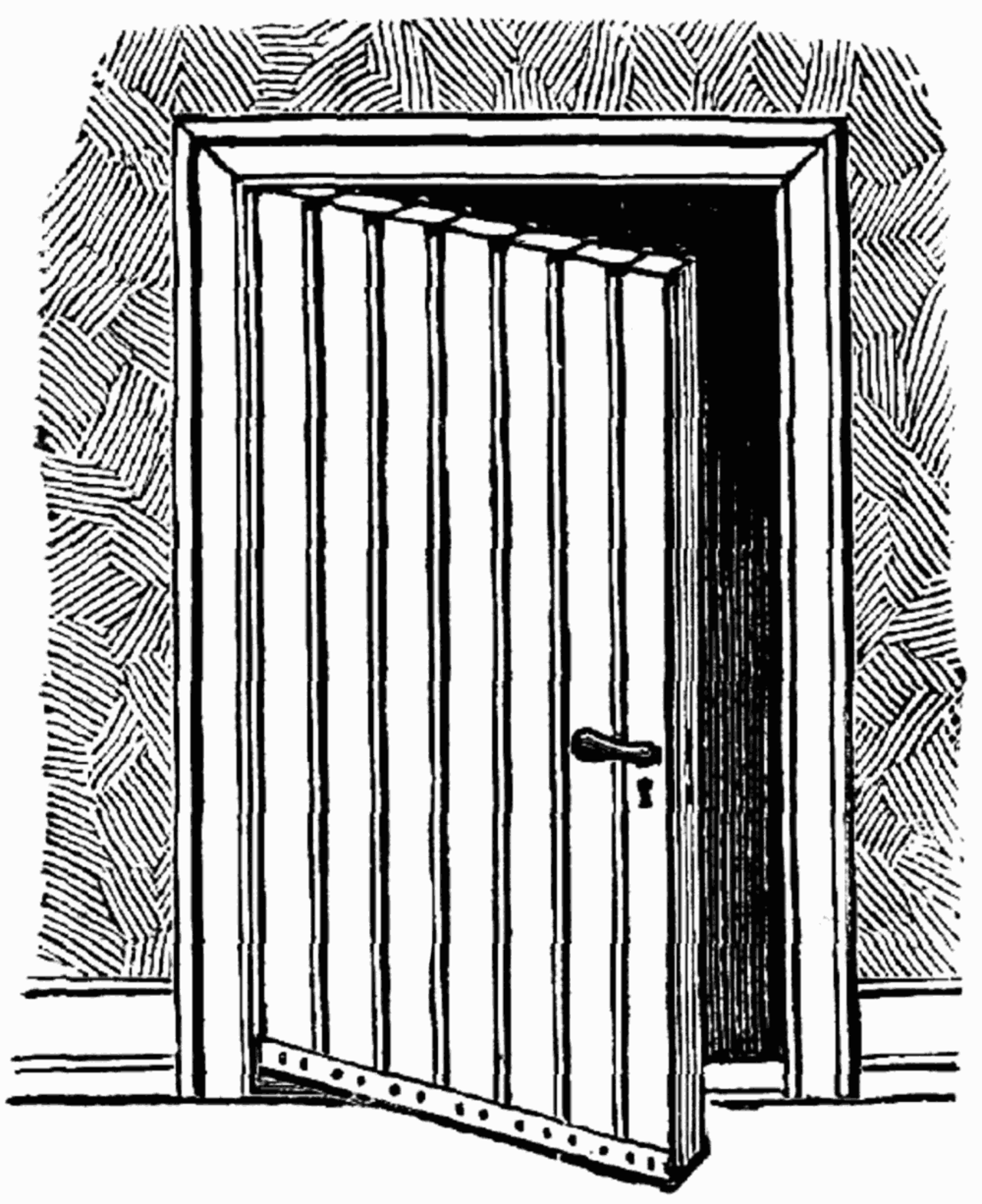
Door
From Primitive Barriers to Sophisticated Access Control
The evolution of the door mirrors the progression of human civilization and architectural innovation. Initially conceived as rudimentary barriers-animal hides, woven mats, or large stones-to secure primitive dwellings, doors gradually transformed into more sophisticated architectural components. Ancient Mesopotamians and Egyptians developed wooden doors, often constructed from multiple planks, serving not only as protection but also as early indicators of status through decoration.
The Romans significantly advanced door technology, incorporating robust hinges and complex locking mechanisms, laying the groundwork for modern door systems. The development of the mortise and tenon joint in carpentry allowed for stronger, more durable wooden doors. Over centuries, materials diversified from wood and stone to iron, bronze, and eventually, modern composites and alloys, each innovation driven by needs for enhanced security, durability, and aesthetic appeal.
This historical trajectory highlights the door's enduring function as a critical interface between the external world and the internal, private space.
The Door as a Societal and Psychological Construct
Beyond their physical function, doors carry significant social and psychological weight. They are potent symbols of transition, opportunity, and exclusion. The act of opening a door signifies entering a new space, a new experience, or a new phase.
Conversely, closing a door can represent finality, privacy, or separation. In architecture, the design and placement of doors communicate social hierarchies and functions. Grand, imposing doors often denote public buildings or residences of importance, while smaller, more discreet doors might lead to private chambers.
The concept of 'knocking' before entering is a deeply ingrained social norm, reflecting respect for privacy and personal boundaries. Furthermore, doors are integral to the concept of home and belonging, representing the threshold between the public realm and the sanctuary of one's personal life. Their presence shapes our perception of safety, community, and individual autonomy.
Engineering Marvels
Modern doors are sophisticated products of engineering, designed for performance, durability, and user experience. The fundamental mechanism, the hinge, has evolved from simple pivots to complex systems like ball-bearing hinges for heavy doors and concealed hinges for minimalist aesthetics. Door closers, utilizing hydraulic or pneumatic principles, ensure controlled and safe operation, preventing damage and enhancing energy efficiency by minimizing the time doors are left ajar.
Materials science plays a crucial role; solid core wood doors offer better insulation and sound dampening than hollow core alternatives. Steel doors provide high security and fire resistance, often incorporating specialized fire-rated cores. Aluminum doors are lightweight and corrosion-resistant, ideal for commercial settings. Advanced composite materials and engineered wood products offer a balance of strength, sustainability, and cost-effectiveness.
Furthermore, the integration of smart technology, such as electronic locks, biometric scanners, and automated opening systems, is transforming doors into intelligent access points, enhancing security and convenience in residential and commercial environments.
Diverse Applications
The design and application of doors are incredibly diverse, tailored to specific environmental, cultural, and functional requirements worldwide. In regions with extreme weather, doors are engineered for performance: heavy-duty seals and robust construction are essential for resisting high winds or extreme temperatures. For instance, blast-resistant doors are critical in high-security facilities, while hermetically sealed doors are used in cleanrooms and laboratories to maintain sterile environments.
Traditional architectural styles also feature unique door designs; Japanese shoji screens, with their translucent paper and lightweight frames, exemplify a cultural adaptation to diffuse natural light and create a sense of openness. In contrast, the heavy, ornate doors of European castles served both defensive and symbolic purposes. The modern skyscraper utilizes fire-rated doors and emergency exit doors designed for rapid egress during crises.
Even the simple interior door has evolved, with pocket doors and bifold doors offering space-saving solutions in compact living areas. Each door type represents a specific solution to the fundamental challenge of managing spatial boundaries.
Go deeper
Frequently Asked Questions
What is a door and why do we use it?+
How did doors change over time?+
Why do some doors look big and some look small?+
How do doors stay closed and not swing open?+
Can doors have smart features?+
Based on content from Wikipedia · Licensed under CC BY-SA 4.0