

Dementia
Images
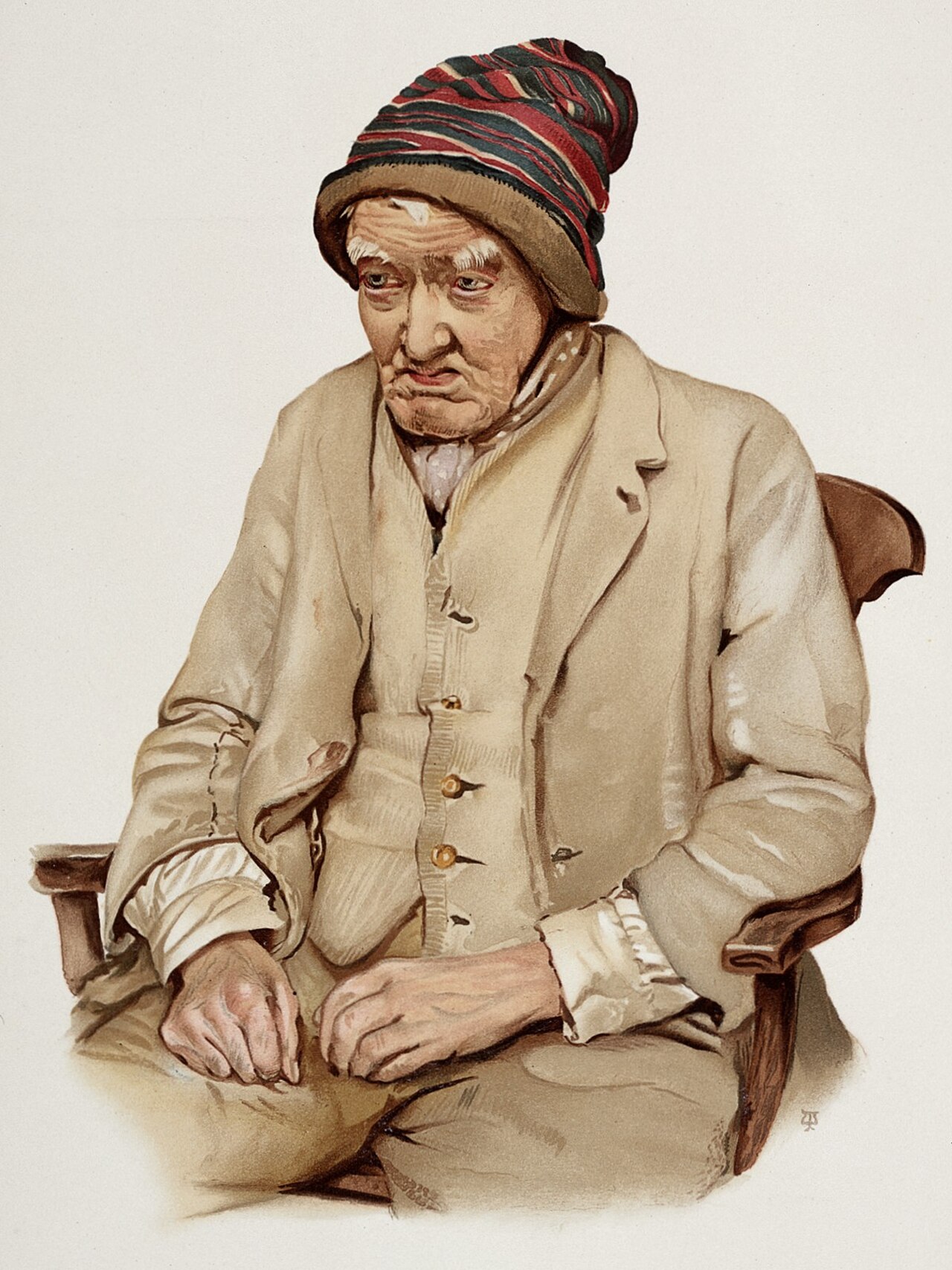
Dementia
The Neuropathological Underpinnings of Cognitive Decline
Dementia is not a single disease but an umbrella term encompassing a range of conditions that progressively damage brain cells, leading to a decline in cognitive function. The most prevalent form, Alzheimer's disease (AD), is pathologically defined by the accumulation of extracellular amyloid-beta plaques and intracellular neurofibrillary tangles composed of hyperphosphorylated tau protein. These pathological hallmarks disrupt synaptic function, trigger neuroinflammation, and ultimately lead to neuronal death, particularly in the hippocampus and cerebral cortex, regions critical for memory and executive functions.
Vascular dementia, the second most common type, arises from cerebrovascular disease, such as strokes or chronic ischemia, which impairs blood flow to brain tissue and causes neuronal damage. Other forms, like Lewy body dementia (LBD) and frontotemporal dementia (FTD), involve distinct proteinopathies-alpha-synuclein aggregates in LBD and TDP-43 or tau inclusions in FTD-each affecting different neuronal populations and leading to characteristic symptom profiles. The interplay between genetic predispositions, environmental factors, and aging processes contributes to the initiation and progression of these neurodegenerative pathways.
Historical Trajectory
The recognition of cognitive impairment in aging has a long history, with ancient physicians noting changes in memory and intellect. However, a scientific understanding of dementia began to crystallize in the late 19th and early 20th centuries. Alois Alzheimer's seminal work in 1906, describing the unique neuropathological features of a patient exhibiting memory loss, confusion, and language problems, laid the groundwork for identifying Alzheimer's disease.
For much of the 20th century, dementia was often dismissed as an inevitable consequence of aging, with limited research and few effective interventions. The latter half of the century saw a paradigm shift, driven by advancements in neuroscience, neuroimaging, and genetics, which revealed the specific biological mechanisms underlying various dementias. This growing understanding transformed dementia from a poorly understood age-related ailment into a major global health challenge, spurring significant research efforts and public health initiatives aimed at prevention, diagnosis, and treatment.
The Multifaceted Significance of Dementia Research and Care
Dementia represents a profound challenge with far-reaching societal, economic, and ethical implications. Its growing prevalence, driven by an aging global population, places an immense burden on healthcare systems, requiring extensive long-term care and support services. The economic cost is staggering, encompassing direct medical expenses, long-term care facility costs, and indirect costs related to lost productivity and caregiver strain.
Beyond the economic impact, dementia profoundly affects the quality of life for individuals and their families, eroding personal identity, independence, and social connections. Consequently, research into dementia is crucial not only for developing effective treatments and cures but also for improving diagnostic tools, enhancing caregiving strategies, and promoting public awareness. Understanding the disease is vital for advocating for policy changes, ensuring equitable access to care, and fostering a more dementia-friendly society that supports individuals living with cognitive impairment.
Mechanisms of Neuronal Dysfunction and Loss in Dementia
The pathological mechanisms driving dementia are diverse but often converge on pathways leading to synaptic dysfunction, neuroinflammation, and neuronal death. In Alzheimer's disease, the dysregulation of amyloid precursor protein (APP) processing leads to the formation of toxic amyloid-beta oligomers and plaques, which disrupt synaptic plasticity and promote tau hyperphosphorylation, leading to the formation of neurofibrillary tangles. These intracellular aggregates impair axonal transport and ultimately cause neuronal death.
Vascular dementia involves cerebrovascular insults, such as microinfarcts, white matter lesions, and reduced cerebral blood flow, which compromise the brain's oxygen and nutrient supply, leading to ischemic damage and neuronal loss. LBD is characterized by the aggregation of alpha-synuclein into Lewy bodies, which are toxic to dopaminergic neurons in the substantia nigra and cholinergic neurons in the basal forebrain, affecting motor control, cognition, and autonomic function. FTD encompasses a group of disorders resulting from degeneration of the frontal and temporal lobes, often due to abnormal accumulations of tau, TDP-43, or FUS proteins, leading to profound changes in behavior, personality, and language.
Differential Diagnosis and Emerging Therapeutic Avenues
Accurate diagnosis of dementia is critical for appropriate management and treatment. It typically involves a comprehensive assessment including medical history, neurological examination, cognitive testing, and often neuroimaging (MRI, PET scans) to identify structural changes or protein deposits. Differentiating between various dementia subtypes is essential, as their underlying pathologies and treatment responses differ.
For instance, distinguishing AD from LBD or FTD can be challenging due to overlapping symptoms. Current therapeutic strategies primarily focus on symptomatic relief, with cholinesterase inhibitors and memantine offering modest benefits for AD. However, recent breakthroughs in understanding AD pathogenesis have led to the development of disease-modifying therapies targeting amyloid-beta, such as monoclonal antibodies, representing a significant advancement.
Research is also exploring novel targets for other dementias, including anti-tau therapies, neuroinflammation modulators, and strategies to enhance neuroprotection and regeneration, offering hope for more effective interventions in the future.
Go deeper
Frequently Asked Questions
What is dementia?+
Why does dementia happen?+
How does Alzheimer's cause memory problems?+
What are the different types of dementia?+
How can we help someone with dementia?+
Based on content from Wikipedia · Licensed under CC BY-SA 4.0