

Delicatessen
Images
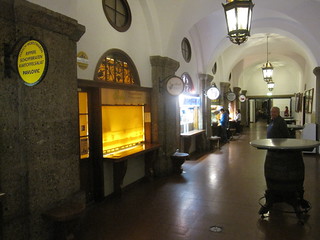
Delicatessen arcade


![Baltic delicatessen [derelict] Kirkcaldy](https://live.staticflickr.com/1746/42782647911_f086a1247f_n.jpg)


The Genesis of 'Delikatessen'
The concept of the delicatessen, originating in 18th-century Germany as 'Delikatessen,' was rooted in the desire to offer a sophisticated array of fine, exotic, and prepared foods. These establishments served as early purveyors of culinary luxury, distinguishing themselves from general grocers by focusing on high-quality, often imported, and meticulously prepared items. This emphasis on specialized products and a discerning clientele laid the groundwork for what would become a distinct retail category.
The term itself, derived from Latin 'delicatus' (pleasing) and 'esse' (to be), hints at the elevated status and sensory pleasure associated with the goods offered. These early delis were not merely shops; they were cultural institutions that reflected evolving tastes and a growing appreciation for diverse gastronomic experiences.
Transatlantic Migration
The mid-19th century marked a pivotal era for the delicatessen as European immigrants, particularly Ashkenazi Jews, brought their culinary traditions and entrepreneurial spirit to North America. In cities across Canada and the United States, these immigrants established delicatessens that became vital community centers and culinary landmarks. They introduced a rich repertoire of Eastern European Jewish foods, including cured meats, smoked fish, prepared salads, and baked goods, which resonated deeply with both immigrant communities and the broader population.
This period saw the delicatessen evolve from its German origins into a distinctly North American phenomenon, deeply intertwined with the cultural tapestry of its new home and serving as a powerful symbol of heritage preservation and cultural exchange.
Defining the Deli
At its core, a delicatessen is defined by its specialization in prepared foods, emphasizing quality, variety, and often a global influence. While traditional delis continue to thrive by offering authentic, often handcrafted, items such as artisanal cheeses, charcuterie, gourmet sandwiches, and a diverse range of salads and side dishes, the concept has also adapted to modern consumer habits. The rise of supermarket 'deli counters' represents a significant evolution, democratizing access to prepared foods and integrating deli offerings into mainstream grocery shopping.
This adaptation, while broadening reach, also prompts discussions about authenticity and the preservation of traditional deli practices amidst mass production and convenience-focused models.
The Enduring Significance of the Delicatessen
The enduring significance of the delicatessen lies in its multifaceted role as a culinary innovator, cultural preserver, and economic contributor. Delis provide consumers with convenient access to high-quality, diverse, and often unique food options, catering to busy lifestyles and adventurous palates. Culturally, they serve as important repositories of culinary heritage, allowing communities to maintain and share their gastronomic traditions.
Economically, delicatessens, both independent and as sections within larger stores, support local food systems, create specialized employment opportunities, and contribute to the vibrancy of the retail food sector. The delicatessen, in its various forms, continues to be a testament to the power of food to connect people, preserve culture, and enrich daily life.
See also
Frequently Asked Questions
What is a delicatessen?+
Where did delicatessens first start?+
Why did Jewish immigrants bring delicatessens to North America?+
How are modern supermarkets different from old delicatessens?+
What does a delicatessen do for a community?+
Based on content from Wikipedia · Licensed under CC BY-SA 4.0