

David Marks
Images

Hong, Boon Chew, David, Mark, Peter - Texas Hold-em Poker Night
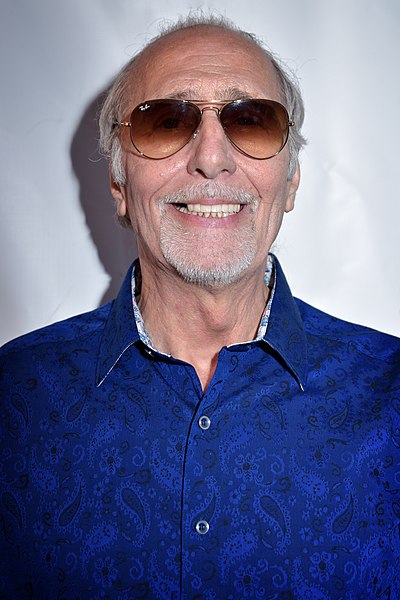


The Genesis of a Sound
David Marks's involvement with The Beach Boys predates their official formation, positioning him as a crucial, albeit often overlooked, architect of their nascent sound. Growing up in Hawthorne, California, he was immersed in the same musical milieu as the Wilson brothers, Brian, Dennis, and Carl, and Mike Love. His early collaborations with them, including participation in the very first demo recording of 'Surfin'' under the moniker The Pendletones, underscore his integral role from the outset.
While he was not present for the final recording session of the single that launched the band as The Beach Boys, his musical partnership with the group was already established. His official entry as a rhythm guitarist in February 1962, following Al Jardine's temporary departure, was pivotal. Marks contributed significantly to the band's second single, 'Surfin' Safari,' a track that secured their long-term recording contract and cemented their place in popular music.
His presence on their first four albums 'Surfin' Safari' (1962), 'Surfin' U.S.A.' (1963), 'Surfer Girl' (1963), and 'Little Deuce Coupe' (1963) means he was instrumental in defining the surf rock genre and establishing the band's signature sound during their initial explosion of success. These albums are considered cornerstones of early rock and roll, and Marks's guitar work provided a vital textural element.
Navigating Artistic Tensions and Diversification
Marks's initial departure from The Beach Boys in August 1963, attributed to personal conflicts with manager Murry Wilson, marked a significant turning point in his career. This departure, occurring during the band's most creatively fertile period, meant he was not present for many of their subsequent iconic recordings. However, this did not signify an end to his musical pursuits.
Instead, Marks embarked on a diverse and extensive career as a professional musician. He fronted his own group, The Marksmen, and established himself as a sought-after session musician. His collaborations spanned a wide spectrum of genres and artists, including Casey Kasem's Band Without a Name, The Moon, Delaney & Bonnie, and the critically acclaimed Warren Zevon.
This period also saw Marks deepen his theoretical and practical understanding of music, undertaking studies in jazz and classical guitar at esteemed institutions like the Berklee College of Music and the New England Conservatory. This commitment to formal musical education speaks to a desire for artistic growth and a broader musical vocabulary beyond the confines of surf rock.
The Resurgence
The narrative of David Marks's career is characterized by a remarkable resurgence and a reaffirmation of his place within The Beach Boys' legacy. His return to the band for live performances between 1997 and 1999 signaled a renewed connection to his musical roots. This period of reconnection culminated in more significant collaborations.
In 2007, he published his autobiography, 'The Lost Beach Boy,' offering an intimate and valuable perspective on his experiences within and outside the band, shedding light on the complexities of his early departure and his subsequent journey. The ultimate validation of his enduring significance came with his full reunion with The Beach Boys for their landmark 50th-anniversary tour in 2012. This tour celebrated the band's rich history, and Marks's participation underscored his integral role in that narrative.
Furthermore, he contributed to the band's 2012 album, 'That's Why God Made the Radio,' demonstrating that his musical contributions remained relevant and valued. This later-era involvement highlights a successful reconciliation with his past and a testament to his lasting artistic impact.
Legacy and Historical Reappraisal
David Marks's legacy is multifaceted, encompassing his foundational contributions to surf rock, his extensive career as a session musician, and his significant return to The Beach Boys. While historical accounts have sometimes relegated him to a secondary role, his early involvement is undeniable and crucial to understanding the band's genesis. He was present during the critical incubation period, contributing to the sonic blueprint that would define a genre.
His subsequent career demonstrates a breadth of musical talent and adaptability, moving beyond the initial surf sound to explore diverse musical landscapes. The reappraisal of his contributions, particularly through his autobiography and his later-era involvement with the band, offers a more complete picture of The Beach Boys' history. Marks represents the often-unseen figures whose early participation is vital to the success of iconic musical movements.
His story is a compelling example of artistic resilience, the impact of early creative partnerships, and the enduring power of music to connect individuals across decades.
Key Musical Contributions and Influences
Marks's guitar playing style, particularly in the early Beach Boys era, was characterized by its clean tone and melodic sensibility, perfectly complementing the band's vocal harmonies and upbeat arrangements. His rhythm guitar work provided a solid foundation for Brian Wilson's increasingly complex arrangements and Al Jardine's lead guitar. Beyond his direct contributions to The Beach Boys' recordings, his dedication to studying jazz and classical guitar at institutions like Berklee and the New England Conservatory indicates a deep commitment to musical mastery.
This formal training likely influenced his approach to improvisation and harmonic understanding, enriching his playing even within the pop-rock context. His work as a session musician further broadened his experience, exposing him to various production techniques and musical styles. The influence of surf rock, which he helped pioneer, can be traced through subsequent generations of guitarists and bands, solidifying its place in the broader landscape of popular music.
His story also highlights the often-complex dynamics within bands, where personal relationships and management can significantly impact individual careers, yet artistic passion can lead to eventual reconciliation and renewed creative output.
See also
Frequently Asked Questions
Who is David Marks?+
How did David Marks join The Beach Boys?+
Why did David Marks leave The Beach Boys in 1963?+
What did David Marks do after leaving the band?+
Did David Marks ever come back to play with The Beach Boys?+
Based on content from Wikipedia · Licensed under CC BY-SA 4.0