

Brian Wilson
Images

BRIAN WILSON


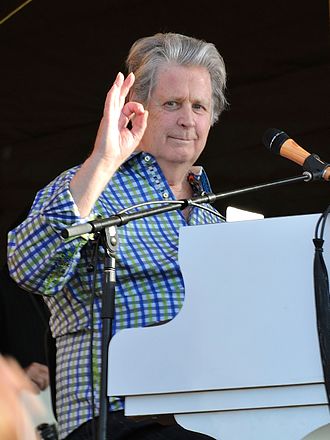

The Genesis of a Sonic Maverick
Brian Douglas Wilson, born June 20, 1942, in Los Angeles, California, emerged as a pivotal figure in the evolution of popular music. From the inception of The Beach Boys in 1961, Wilson assumed a multifaceted role as songwriter, producer, vocalist, bassist, and keyboardist, effectively becoming the band's creative nucleus. His early influences, ranging from the sophisticated harmonies of the Four Freshmen to the Wall of Sound production of Phil Spector, were synthesized into a distinctive style.
Wilson's groundbreaking achievement was being the first pop musician credited for the complete creative process: writing, arranging, producing, and performing his own material. This autonomy, signed with Capitol Records in 1962, set a precedent for artistic control within the music industry. His prolific output in the mid-1960s yielded over two dozen U.S.
Top 40 hits, including chart-toppers like 'Surf City,' 'I Get Around,' 'Help Me, Rhonda,' and the seminal 'Good Vibrations,' showcasing his unparalleled ability to craft infectious melodies with sophisticated arrangements.
The Studio as an Instrument
Wilson's most significant contribution to music lies in his pioneering use of the recording studio as an instrument itself. This approach reached its zenith with the 1966 album 'Pet Sounds.' Facing a nervous breakdown in late 1964, Wilson withdrew from touring, channeling his energy into studio experimentation. 'Pet Sounds' was a departure from the band's earlier surf-rock sound, characterized by its intricate orchestrations, complex vocal harmonies, and deeply introspective lyrical themes.
The album's innovative production, incorporating unconventional instruments and studio techniques, profoundly influenced subsequent generations of musicians. It demonstrated that pop music could possess the depth and complexity of classical compositions, pushing the boundaries of what was considered artistically viable in the genre. This period also saw the release of his first credited solo effort, 'Caroline, No,' further solidifying his artistic vision.
Navigating the Labyrinth of Mental Health and Artistic Resilience
Brian Wilson's career has been marked by a profound struggle with mental illness, a reality that significantly shaped his creative output and personal life. His nervous breakdown in 1964 led to a period of reclusion from live performances, allowing him to focus on studio work but also contributing to periods of decline. The ambitious, unfinished 'Smile' project became a symbol of his creative genius and his personal challenges.
Despite periods of reclusion, overeating, and substance abuse, Wilson demonstrated remarkable resilience. His professional comebacks, including the albums '15 Big Ones' (1976) and 'The Beach Boys Love You' (1977), and his eventual completion of 'Smile' in 2004, earned him critical acclaim as a solo artist. His later career, including a solo tour from 1999 to 2022, showcased his enduring commitment to his music and his fans, even amidst ongoing personal battles.
A Lasting Influence on the Musical Landscape
Brian Wilson's legacy extends far beyond his work with The Beach Boys. He is widely recognized as a foundational figure in the development of numerous musical genres and movements, including art pop, psychedelia, chamber pop, and sunshine pop. His innovative production techniques and sophisticated songwriting have left an indelible mark on post-punk, indie rock, dream pop, and beyond.
His contributions have been acknowledged through numerous industry accolades, including two Grammy Awards and the prestigious Kennedy Center Honors. Inducted into both the Rock and Roll Hall of Fame (1988) and the Songwriters Hall of Fame (2000), Wilson's impact is undeniable. The 2014 biopic 'Love and Mercy' further cemented his status as a cultural icon, illustrating the profound and lasting influence of his artistic vision on the trajectory of popular music.
Go deeper
Frequently Asked Questions
Who is Brian Wilson?+
What band did he help start?+
What is special about the album Pet Sounds?+
Why did he stop touring in the 1960s?+
What is the Smile project?+
Based on content from Wikipedia · Licensed under CC BY-SA 4.0