

Cyril Ramaphosa
Images

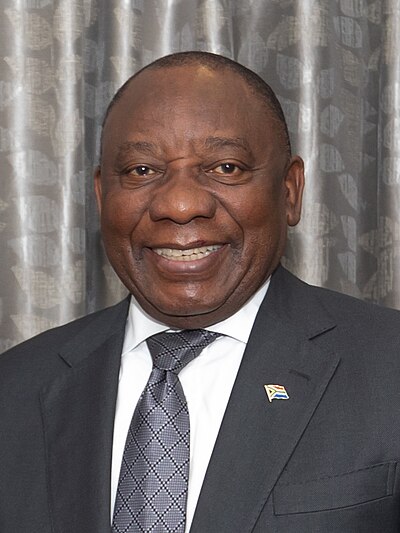
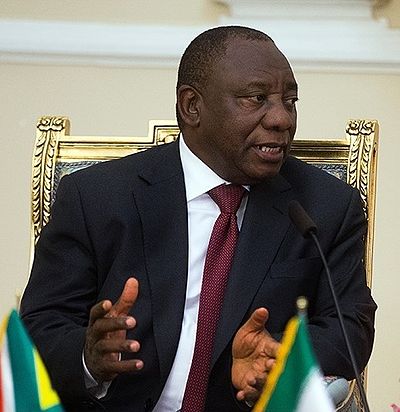
Cyril Ramaphosa 2024





From Union Powerhouse to Negotiator of Freedom
Cyril Ramaphosa's early career was defined by his formidable leadership within the labor movement. As the general secretary of the National Union of Mineworkers (NUM), he transformed it into one of South Africa's most influential forces, representing tens of thousands of workers in a deeply unequal society. His strategic acumen and ability to mobilize were crucial in advocating for better wages, safer working conditions, and fundamental rights for miners.
This experience honed his skills in negotiation and conflict resolution, qualities that would become indispensable in the high-stakes political arena. Ramaphosa emerged as a central figure in the negotiations to end apartheid, working alongside Nelson Mandela and other leaders. He was instrumental in navigating the complex and often tense discussions that paved the way for South Africa's first democratic elections in 1994.
His role as chief negotiator demonstrated a remarkable capacity for diplomacy and compromise, earning him respect across the political spectrum and leading some to believe he was Mandela's preferred successor.
The Entrepreneurial Interlude
Following his departure from active politics in 1996, Ramaphosa embarked on a highly successful career in business. This period saw him diversify his expertise, moving from the front lines of labor activism to the boardrooms of major corporations. He became a prominent figure in South African business, notably as an owner of McDonald's South Africa and as the chairman of the board for MTN, a leading telecommunications company.
His entrepreneurial ventures, including the founding of the Shanduka Group, showcased his ability to identify opportunities and build significant economic enterprises. This phase of his career not only amassed considerable personal wealth, estimated at over R6.4 billion ($450 million) by 2018, but also provided him with a deep understanding of economic policy and its impact on society. However, this business acumen also led to scrutiny, particularly concerning his directorship at Lonmin and his stance during the Marikana miners' strike, a period marked by tragic violence.
Return to Governance
Ramaphosa's return to the political forefront began in 2012 when he was elected to a leadership position within the African National Congress (ANC). He subsequently served as the Deputy President of South Africa from 2014 to 2018, gaining invaluable experience in the executive branch of government. During this time, he also chaired the National Planning Commission, contributing to long-term strategic development for the nation.
His election as President of the ANC in December 2017 set the stage for his ultimate ascension to the presidency. In February 2018, following Jacob Zuma's resignation, Ramaphosa was elected President of South Africa by the National Assembly. He led the country through its first full term, securing a mandate in the 2019 general elections.
His presidency has been marked by efforts to address economic challenges, combat corruption, and navigate the global COVID-19 pandemic, during which he also served as chairperson of the African Union from 2020 to 2021.
Navigating Leadership
Cyril Ramaphosa's tenure as president has been characterized by a commitment to reform and economic recovery. He has focused on issues such as land reform, job creation, and tackling corruption, aiming to build a more inclusive and prosperous South Africa. His leadership during the COVID-19 pandemic involved implementing public health measures and economic relief packages.
Furthermore, his role as chairperson of the African Union provided a platform to address continental issues and foster cooperation among African nations. Despite his achievements, Ramaphosa has faced significant political and economic headwinds, including internal party challenges and public dissatisfaction with the pace of change. His ability to secure a second term as President of South Africa in 2024, following a period where the ANC lost its parliamentary majority, underscores his resilience and continued influence in the nation's political landscape.
His legacy is still being written, as he continues to steer South Africa through complex domestic and international challenges.
See also
Frequently Asked Questions
What is Cyril Ramaphosa known for?+
How did Cyril Ramaphosa help end apartheid?+
What businesses did Cyril Ramaphosa own?+
Why was Cyril Ramaphosa called a "superhero for workers"?+
What did Cyril Ramaphosa do during the COVID‑19 pandemic?+
Based on content from Wikipedia · Licensed under CC BY-SA 4.0