

Cosmetics: Pretty Up Your World!
Images
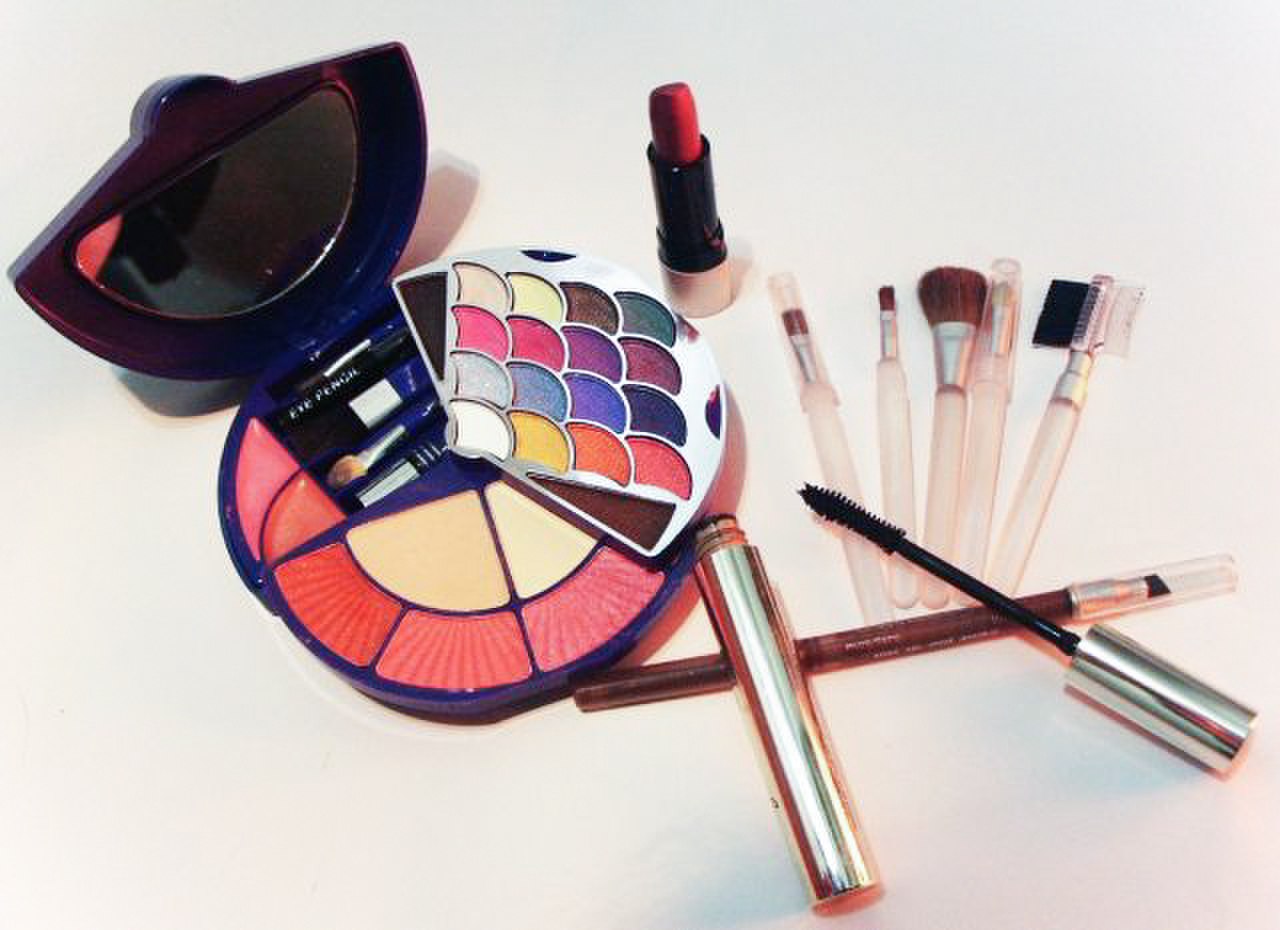
Cosmetics
From Ancient Rituals to Industrial Production
The history of cosmetics is deeply intertwined with human culture, dating back to prehistoric times where ochre and charcoal were likely used for body painting. Ancient civilizations, notably Egypt, Greece, and Rome, developed sophisticated cosmetic practices. Egyptians utilized kohl (galena) for eye makeup, believing it offered protection from the sun and infection, alongside red ochre for lips and cheeks.
Roman women employed lead-based powders for skin lightening and various plant extracts for hair coloring. The Middle Ages saw a decline in overt cosmetic use in some cultures due to religious disapproval, yet clandestine practices persisted. The Renaissance marked a resurgence, with pale skin and rouged cheeks becoming fashionable.
The 19th century witnessed the birth of modern cosmetics with the development of synthetic dyes and the commercialization of products by figures like Eugène Rimmel and Max Factor, transforming cosmetics from artisanal preparations to mass-produced goods, laying the groundwork for the global industry we know today.
The Multifaceted Role of Cosmetics in Society
Cosmetics serve a complex array of functions beyond mere aesthetic enhancement. They are powerful tools for self-expression, identity construction, and social signaling, allowing individuals to project specific images or affiliations. The application of cosmetics can significantly impact psychological well-being, boosting self-esteem, confidence, and perceived attractiveness, a phenomenon sometimes referred to as 'enclothed cognition' applied to makeup.
In professional settings, cosmetics can be used to project competence and seriousness. Furthermore, cosmetics have become integral to cultural rituals, celebrations, and artistic performances, transcending individual use to become a shared societal practice. The industry also plays a significant economic role, driving innovation and employment globally, while simultaneously facing scrutiny regarding ethical sourcing, environmental impact, and marketing practices.
The Chemistry and Engineering of Beauty Products
The formulation of modern cosmetics is a sophisticated scientific endeavor, requiring a deep understanding of chemistry, physics, and biology. Products are complex mixtures designed to deliver specific sensory experiences and functional benefits. Key components include emollients (like silicones and esters) for skin feel, humectants (like glycerin and hyaluronic acid) for hydration, pigments (minerals like titanium dioxide and iron oxides, or organic dyes) for color, and surfactants for cleansing and emulsification.
Preservatives are crucial for microbial stability, while rheology modifiers control viscosity and texture. Advanced formulations may incorporate active ingredients such as antioxidants, peptides, and retinoids for therapeutic effects. The development process involves rigorous testing for safety, efficacy, and stability, often under strict regulatory guidelines, ensuring products are both appealing and safe for consumer use.
Diverse Applications and Evolving Trends
The cosmetic industry is incredibly diverse, encompassing numerous product categories. Color cosmetics, including foundations, lipsticks, eyeshadows, and mascaras, focus on altering appearance. Skincare products, ranging from cleansers and toners to serums and sunscreens, aim to improve skin health and appearance.
Haircare products address cleansing, conditioning, styling, and coloring. Fragrances, formulated from essential oils and synthetic aroma chemicals, are designed to impart pleasant scents. Emerging trends include a growing demand for 'clean beauty' products with natural and ethically sourced ingredients, personalized formulations based on individual needs, and the integration of technology, such as AI-driven skin analysis and augmented reality makeup try-ons.
The industry is constantly evolving, driven by consumer demand, scientific advancements, and societal shifts.
Regulation, Ethics, and Future Directions
The production and sale of cosmetics are subject to stringent regulations worldwide, enforced by bodies like the FDA in the United States and the European Commission. These regulations govern ingredient safety, labeling requirements, and claims made about product efficacy. Ethical considerations are increasingly prominent, with growing consumer pressure for cruelty-free testing, sustainable sourcing of raw materials, and environmentally friendly packaging.
The debate surrounding animal testing remains a significant ethical challenge, leading many companies to adopt alternative testing methods. Future directions in cosmetics are likely to involve further personalization through biotechnology, advancements in sustainable and biodegradable ingredients, and the integration of smart technologies for enhanced product performance and consumer interaction, pushing the boundaries of what cosmetics can achieve.
Go deeper
Frequently Asked Questions
What are cosmetics and why do people use them?+
How did people use cosmetics in ancient Egypt?+
Why did cosmetics become popular again during the Renaissance?+
What are some ingredients in modern makeup?+
How do cosmetics affect how we feel?+
Based on content from Wikipedia · Licensed under CC BY-SA 4.0