

Coptic Language
Images
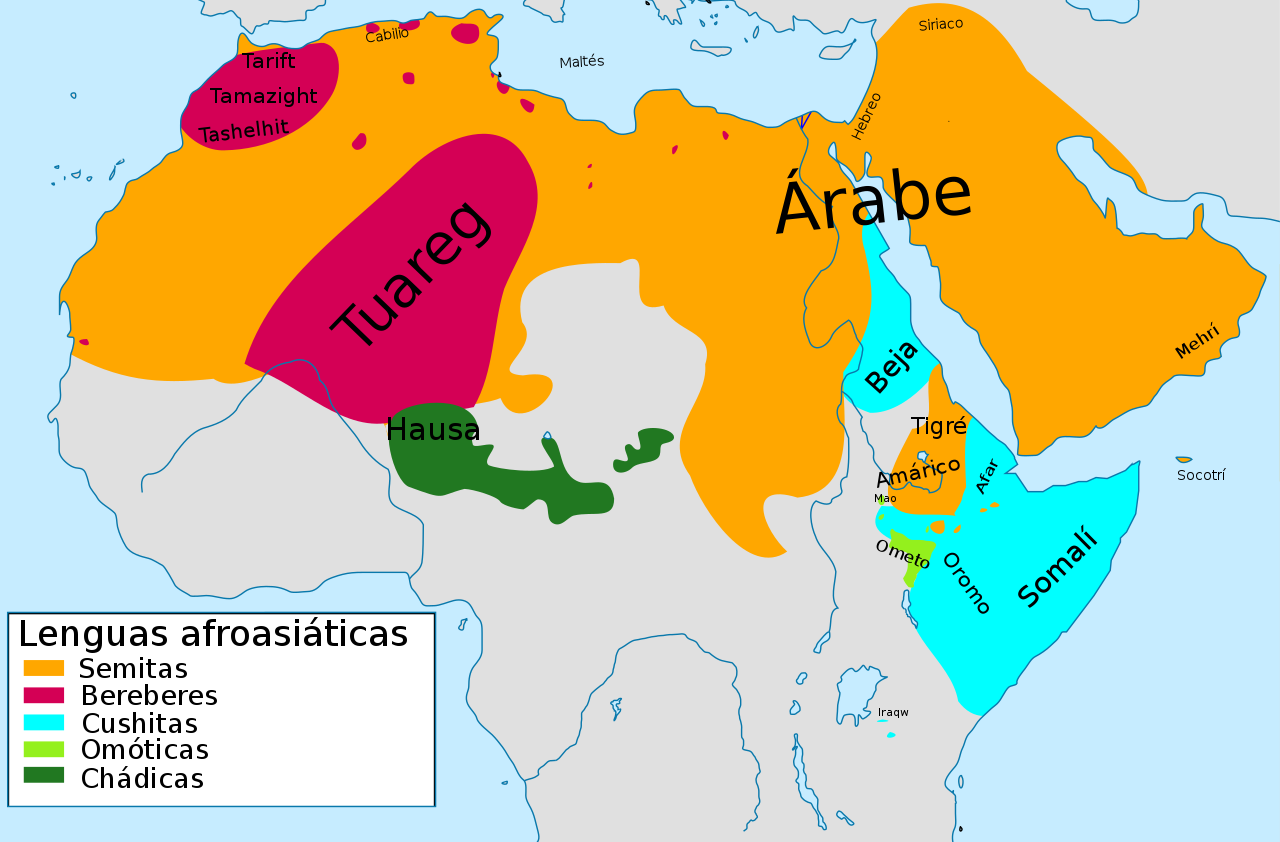
Afroasiatic languages-es


The Terminal Stage of Egyptian Linguistic Evolution
Coptic represents the most recent phase in the long and complex history of the Egyptian language, a linguistic lineage stretching back millennia. Emerging as a distinct entity around the 3rd century AD in Roman Egypt, Coptic dialects are the direct descendants of earlier Egyptian stages like Demotic and Hieroglyphic. Its development signifies a crucial transition, where the language began to adopt a new writing system and adapt to new socio-political realities.
Historically, it was the vernacular of the Coptic people, who are the indigenous Christian population of Egypt. Understanding Coptic is key to tracing the continuous evolution of Egyptian language and culture through antiquity and into the Christian era, providing a bridge between the pharaonic past and the medieval present.
The Great Shift
The trajectory of Coptic from a living, spoken language to its current status is a compelling case study in language shift. Following the Arab conquest of Egypt in the 7th century AD, Arabic gradually supplanted Coptic as the dominant language of administration, commerce, and daily communication. This process was not instantaneous but a slow, centuries-long transition, a phenomenon observed in many regions where a new ruling language is introduced.
While Coptic ceased to be a native, everyday language for the majority of the population, its cultural and religious significance ensured its survival. It was preserved as the liturgical language of the Coptic Orthodox Church and the Coptic Catholic Church, a testament to the enduring power of religious institutions in maintaining linguistic heritage even after a language's vernacular use has waned.
A Hybrid Alphabet
The Coptic alphabet is a remarkable fusion, reflecting the cultural milieu of Hellenistic Egypt. The vast majority of its characters are derived from the Greek alphabet, a consequence of the widespread influence of Greek language and culture following Alexander the Great's conquests. However, the Greek alphabet alone was insufficient to capture the full phonetic inventory of the Egyptian language.
To address this, seven additional letters were incorporated from the Demotic script, the cursive form of ancient Egyptian writing used for secular purposes. These Demotic-derived letters represent sounds unique to Egyptian, such as emphatic consonants. This innovative script, known as the Coptic alphabet, enabled precise transcription of the language and became instrumental in the development of Coptic literature and religious texts.
Dialectal Diversity and Literary Flourishing
Coptic was not a monolithic language but comprised several distinct dialects, each with its own geographical distribution and literary prominence. Among the most significant were Sahidic and Bohairic. Sahidic, originating from Upper Egypt, rose to prominence as a major literary dialect between approximately 325 and 800 AD.
It was the language of many important theological and philosophical works, including the Gnostic texts discovered at Nag Hammadi, which offer profound insights into early Christian thought. Other dialects like Akhmimic and Fayyumic also contributed to the literary corpus. Bohairic, the dialect of Lower Egypt, gained ascendancy from the 9th century onwards and is the dialect that has been exclusively used for liturgical purposes by the Coptic Church up to the present day, ensuring its continued, albeit specialized, existence.
Go deeper
Frequently Asked Questions
What is the Coptic language?+
Why did people stop speaking Coptic everyday?+
How does the Coptic alphabet differ from the Greek alphabet?+
Which Coptic dialect is still used in church services?+
Where were the Gnostic books written in Coptic found?+
Based on content from Wikipedia · Licensed under CC BY-SA 4.0