

Competitive Eating: The Super-Speed Food Challenge!
Images
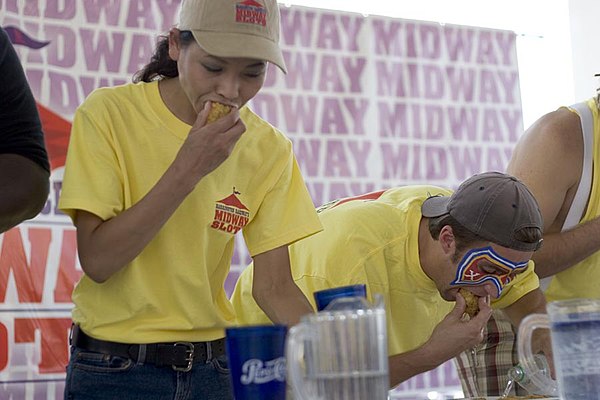
Competitive eating


The Phenomenon of Competitive Eating
Competitive eating, often referred to as speed eating, is a formalized sport centered on the rapid consumption of food. Participants, known as 'eaters' or 'gastro-athletes,' engage in contests where the primary objective is to ingest the greatest volume or weight of food within a strictly defined timeframe. These competitions typically range from a brisk eight to ten minutes, though some endurance-based events can extend to thirty minutes.
The winner is unequivocally determined by the quantity of food consumed. This sport has found a significant cultural foothold, particularly in North America (United States and Canada) and Japan, where professional, sanctioned events frequently offer substantial prizes, including monetary rewards, elevating it beyond a mere novelty to a recognized competitive discipline.
Tracing the Roots
The historical lineage of competitive eating is not precisely documented, but the concept of eating challenges likely predates modern organized sports, possibly emerging from communal feasts, harvest festivals, or local traditions where displays of gluttony or eating prowess were celebrated. The transition to modern competitive eating as a structured sport gained momentum in the 20th century. Early informal contests gradually evolved into more regulated events with established rules, official judging, and the emergence of dedicated organizations.
These governing bodies played a crucial role in standardizing practices, ensuring fairness, and promoting the sport, transforming spontaneous acts of overeating into a recognized athletic pursuit with its own unique history and cultural narrative.
The Allure and Significance of the Eating Arena
The fascination with competitive eating stems from a confluence of factors, appealing to both participants and spectators. For the audience, it represents a visceral spectacle of human physical and psychological limits being tested, drawing parallels to extreme sports. The sheer audacity of consuming vast quantities of food at breakneck speed sparks curiosity and awe.
It taps into a fundamental human interest in extraordinary feats and the boundaries of physiological capacity. For the athletes, it is a demanding discipline requiring rigorous training, strategic acumen, and profound mental resilience. The pursuit of prizes, accolades, and the inherent challenge of pushing personal boundaries contribute to its significance as a unique form of entertainment and athletic expression, challenging conventional notions of sport.
Strategic Mastery
Elite competitive eating transcends mere appetite; it is a discipline demanding sophisticated strategy and rigorous preparation. Successful eaters engage in extensive training regimens designed to enhance stomach capacity, optimize chewing and swallowing mechanics, and improve digestive efficiency. This often involves carefully calibrated diets and specific food-based practice sessions to understand how different items expand and process. Hydration is a critical component, with strategic fluid intake aiding in food passage and stomach distension.
Furthermore, mental fortitude is paramount. Competitors must develop the psychological resilience to overcome physical discomfort, nausea, and the urge to stop, maintaining focus and pace under extreme duress. This blend of physiological conditioning, nutritional science, and psychological conditioning distinguishes professional eaters.
Diverse Disciplines
The landscape of competitive eating is remarkably diverse, encompassing a wide array of food categories and challenges. Iconic events, such as the Nathan's Famous International Hot Dog Eating Contest held annually on Coney Island, have achieved global recognition and cultural significance. Beyond hot dogs, contests frequently feature other popular foods like hamburgers, pies, oysters, tacos, and even intensely spicy items, each presenting unique challenges.
These events often serve to highlight regional culinary specialties and traditions while showcasing the extraordinary capabilities of the athletes. The variety in food types ensures that the sport remains dynamic and engaging, continually presenting new tests of skill, endurance, and strategic eating for participants and captivating audiences worldwide.
See also
Frequently Asked Questions
What is competitive eating?+
How long do eating contests usually last?+
Where is competitive eating popular?+
Why do people do competitive eating?+
How do competitive eaters train?+
Based on content from Wikipedia · Licensed under CC BY-SA 4.0