

Pakistan's Awesome Emblem!
Images

Coat of arms of Edgar Peña Parra


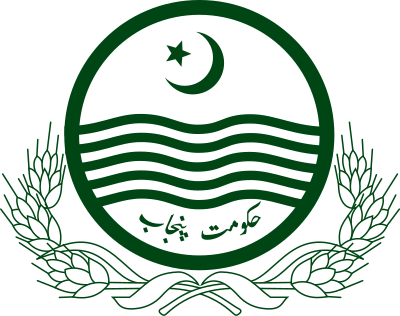
Forging a National Symbol
The creation of the Coat of Arms of Pakistan in 1947 was an act of profound symbolic nation-building. Emerging from the partition of British India, the newly formed state of Pakistan required a distinct visual identity that could unite a diverse population and assert its sovereignty on the global stage. The emblem was conceived as a powerful representation of the nation's core tenets and aspirations.
Its design process involved careful consideration of elements that would resonate with the majority Muslim population while also acknowledging the country's economic foundations and natural beauty. This emblem was not merely an aesthetic choice but a political statement, designed to foster a sense of shared identity and purpose among citizens of a nascent state. Its adoption marked a crucial step in establishing Pakistan's independent presence and its commitment to specific national values, serving as a visual anchor in a period of immense change and transition.
A Symphony of Symbols
The Coat of Arms of Pakistan is a rich tapestry of iconography, each element meticulously chosen for its symbolic weight. The central shield, a traditional heraldic device, signifies strength, protection, and the nation's resilience. Within this shield, the star and crescent moon are paramount, serving as potent symbols of Islam, the faith adhered to by the vast majority of Pakistanis.
This imagery connects the nation to a broader Islamic heritage and identity. The inclusion of the cotton flower and wheat stalks beneath the shield is a direct acknowledgment of Pakistan's agrarian economy and its fertile lands, representing prosperity derived from agriculture and the labor of its people. These elements underscore the nation's reliance on its natural resources and agricultural output.
The flanking branches of jasmine, Pakistan's national flower, add a layer of aesthetic and symbolic depth, representing beauty, purity, and the nation's optimistic outlook for the future. This intricate combination of religious, economic, and natural symbols creates a comprehensive visual narrative of Pakistan.
The Philosophical Underpinning
The scroll bearing the national motto, 'Iman, Ittehad, Nazm' (Faith, Unity, Discipline), imbues the Coat of Arms with a profound philosophical dimension. This motto serves as the guiding principle for the nation's governance and the conduct of its citizens. 'Iman' speaks to the spiritual and moral compass of the nation, emphasizing the importance of religious belief and ethical conduct as foundational elements. 'Ittehad' highlights the critical need for solidarity, cohesion, and national unity across diverse ethnic, linguistic, and regional lines.
It is a call for collective strength and a unified national front. 'Nazm' underscores the significance of order, discipline, and systematic organization in achieving national progress and stability. It advocates for structured effort and adherence to rules for the betterment of society. Together, these three tenets form a powerful directive, shaping the national consciousness and guiding Pakistan's developmental trajectory.
The Emblem's Pervasive Presence
The Coat of Arms of Pakistan functions as a vital instrument of state representation and official authority. Its ubiquitous presence across various governmental platforms reinforces its status as the ultimate symbol of the Pakistani state. It is prominently displayed on official government documents, including legislation, treaties, and passports, lending them official sanction and legitimacy.
The emblem adorns the letterheads and seals of ministries and government departments, signifying their role within the national structure. Furthermore, its appearance on Pakistani currency directly links the nation's economic activities to its core identity and values. In diplomatic contexts, the Coat of Arms represents Pakistan on the international stage, serving as a visual ambassador that communicates the nation's sovereignty and identity to the global community.
Its consistent and formal usage ensures its enduring recognition and reinforces its significance in the national consciousness.
Enduring Significance and Modern Relevance
The Coat of Arms of Pakistan transcends its role as a mere national symbol; it is a dynamic representation of the nation's historical journey, its cultural fabric, and its ongoing aspirations. In an era where national identity is constantly being defined and redefined, the emblem serves as a stable anchor, connecting contemporary Pakistan to its foundational principles. The emphasis on faith, unity, and discipline remains relevant in addressing contemporary challenges, from fostering social cohesion to promoting economic development.
The emblem's visual language, rooted in both religious symbolism and agricultural heritage, continues to resonate with the Pakistani populace. As Pakistan navigates the complexities of the 21st century, its Coat of Arms stands as a testament to its enduring spirit, its commitment to its core values, and its vision for a unified and prosperous future, making it a subject of ongoing study and national pride.
See also
Frequently Asked Questions
What does the star and crescent moon on Pakistan's emblem mean?+
Why are cotton flowers and wheat stalks in the emblem?+
What does the motto 'Iman, Ittehad, Nazm' say?+
Where are jasmine branches used in the emblem?+
When was Pakistan's emblem created?+
Based on content from Wikipedia · Licensed under CC BY-SA 4.0