

Scroll
Images
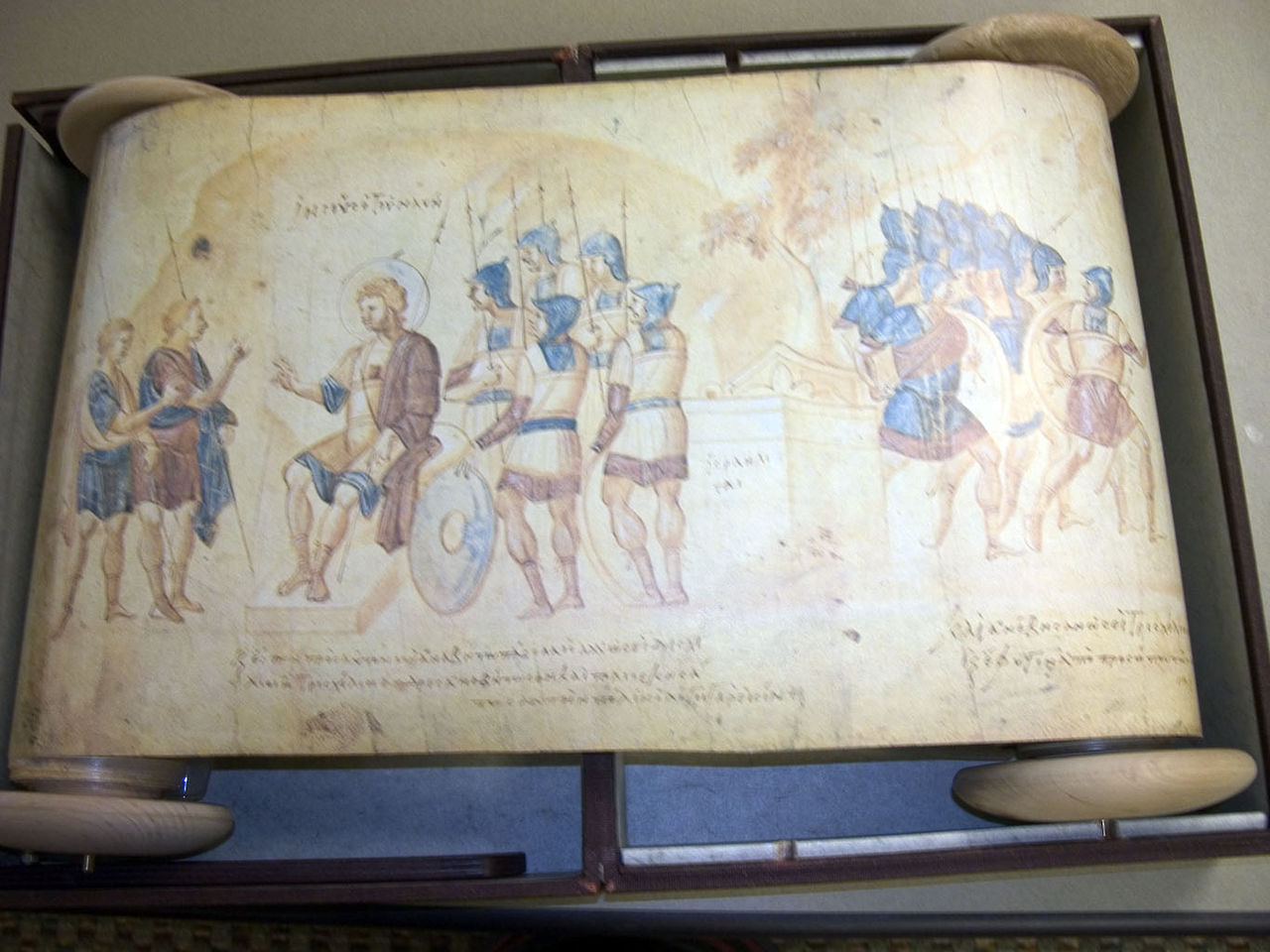
Scroll
From Reed to Revelation
The scroll represents a foundational technology in the history of human communication, emerging as the dominant format for written records for millennia. Its origins are deeply rooted in ancient Egypt, where papyrus, derived from the abundant Nile reed, provided the first widely accessible and practical substrate for extended texts. The process involved macerating the pith, pressing it into thin sheets, and joining them end-to-end, often with overlapping edges and a natural adhesive.
This created a continuous surface that could accommodate lengthy narratives, legal codes, and religious doctrines. As civilizations expanded and trade routes developed, the scroll’s utility became apparent across the Mediterranean and Near East. The development of parchment, particularly vellum (made from calfskin), offered a superior alternative in many regions.
Parchment was more durable, less susceptible to humidity, and could be scraped clean for reuse (palimpsests). Its preparation involved meticulous cleaning, stretching, and smoothing of animal hides, a labor-intensive but rewarding process that yielded a resilient writing surface. This material innovation allowed for greater longevity and portability of texts, facilitating the spread of ideas across vast distances and diverse cultures, laying the groundwork for the preservation of classical knowledge.
The Scroll as a Cultural and Intellectual Nexus
For over three millennia, the scroll was not merely a storage medium but a vital conduit for cultural transmission, intellectual discourse, and administrative control. Ancient libraries, such as the famed Library of Alexandria, housed tens of thousands of scrolls, serving as centers of learning and scholarship. Access to these collections was crucial for philosophers, scientists, historians, and poets who sought to engage with the accumulated wisdom of their time.
The physical act of reading a scroll-unrolling one section while rolling up another, often with the aid of rods-was an immersive experience that demanded focused attention. This deliberate engagement fostered a different kind of textual interaction compared to the rapid scanning common today. Furthermore, the transmission of scrolls through trade, conquest, and scholarly exchange played a critical role in shaping intellectual traditions.
The survival of numerous scrolls, from biblical texts to philosophical treatises, provides invaluable primary source material for understanding the ancient world, offering direct windows into the minds and societies of our ancestors.
Mechanics of Mastery
The practical application of scrolls involved a sophisticated understanding of their physical properties and a developed methodology for their use. Reading a scroll was a two-handed operation, requiring dexterity to manage the unrolling and re-rolling process smoothly, thus preventing tears or creases that could damage the text. The use of two rods, one at each end, became common, particularly for longer or more valuable documents.
These rods, often made of wood, bone, or ivory, provided stability, acted as handles, and facilitated easier manipulation. Storage solutions varied, from simple shelves in libraries to specialized containers. The fragility of papyrus and parchment meant that scrolls were susceptible to environmental factors like moisture, pests, and light.
Preservation efforts, both ancient and modern, have focused on maintaining stable conditions and careful handling. The very act of unrolling and re-rolling was a form of preservation, keeping the majority of the text protected from exposure at any given time. This methodical approach highlights the reverence and care afforded to written knowledge in pre-modern societies.
The Scroll's Enduring Legacy in the Digital Age
Though largely supplanted by the codex (the bound book) by the late Roman period, the scroll's influence persists profoundly. The codex offered significant advantages in terms of accessibility, durability, and the ability to reference information quickly, leading to its eventual dominance. However, the conceptual framework established by the scroll-the sequential presentation of information-has been re-imagined in the digital realm.
The ubiquitous 'scrolling' action on smartphones, tablets, and computer screens directly echoes the physical act of unrolling a scroll. This digital metaphor represents a powerful continuity, linking our modern methods of information consumption to ancient practices. Moreover, the study of surviving scrolls continues to be a critical field in classical studies, archaeology, and textual criticism, offering unparalleled insights into the development of literature, science, and religion.
The scroll, therefore, remains not just a historical artifact but a living testament to humanity's enduring quest to record, preserve, and share knowledge.
Go deeper
Frequently Asked Questions
What is a scroll?+
Why did people in ancient Egypt use papyrus for scrolls?+
How did scrolls help people learn and share ideas?+
What materials did people use to make scrolls after papyrus?+
How did people read a scroll without tearing it?+
Based on content from Wikipedia · Licensed under CC BY-SA 4.0