

Cells: The Tiny Building Blocks of YOU!
Images

Plant Cell


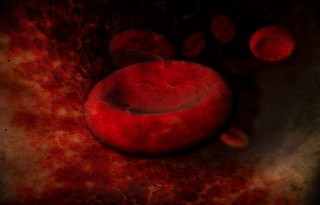
The Cellular Basis of Life
Cells represent the most basic structural and functional units of all known living organisms. They are microscopic entities, typically ranging from 0.1 to 100 micrometers in diameter, enclosed by a plasma membrane that separates their internal environment from the external surroundings. This membrane regulates the passage of substances, maintaining cellular homeostasis.
Within this boundary lies the cytoplasm, a gel-like substance containing various organelles and the cell's genetic material. Cells are characterized by their ability to carry out all essential life processes, including metabolism, growth, reproduction, response to stimuli, and adaptation. The diversity of life on Earth is a testament to the remarkable adaptability and specialization of cells, from unicellular organisms like bacteria to the trillions of highly differentiated cells forming complex multicellular organisms.
Cellular Architecture and Function
The internal organization of a cell is a complex and highly coordinated system of organelles, each performing specific functions critical for survival. Eukaryotic cells, found in plants, animals, fungi, and protists, possess a true nucleus that houses the cell's DNA, organized into chromosomes. This nucleus is surrounded by a nuclear envelope, controlling gene expression.
Other key organelles include mitochondria, the powerhouses responsible for cellular respiration and ATP production; the endoplasmic reticulum (ER) and Golgi apparatus, involved in protein synthesis, modification, and transport; lysosomes, which contain digestive enzymes; and peroxisomes, involved in metabolic processes. Plant cells additionally feature chloroplasts for photosynthesis and a rigid cell wall for structural support. Prokaryotic cells, like bacteria and archaea, are simpler, lacking a nucleus and membrane-bound organelles, with their DNA located in a region called the nucleoid.
The Indispensable Role of Cells
The importance of cells extends across all biological scales. Physiologically, cells are the workhorses of the body, responsible for everything from nutrient absorption and waste excretion to nerve impulse transmission and muscle contraction. Specialized cells form tissues, which in turn form organs and organ systems, enabling complex functions like respiration, circulation, and cognition.
Pathologically, disruptions in cellular function or integrity underlie most diseases, including cancer (uncontrolled cell proliferation), infectious diseases (pathogen invasion of cells), and genetic disorders (defects in cellular machinery). Ecologically, cells are fundamental to biogeochemical cycles. Photosynthetic cells (like phytoplankton and plants) form the base of most food webs and are primary producers of atmospheric oxygen.
Decomposers, also cellular organisms, recycle nutrients, sustaining ecosystems. Understanding cellular processes is therefore paramount for fields ranging from medicine and agriculture to environmental science.
Historical Trajectory
The discovery of cells was a gradual process, intrinsically linked to the development of microscopy. Robert Hooke's 1665 observation of cork cells, though rudimentary, marked the initial recognition of cellular structures. However, it was in the early 19th century that the cell theory began to solidify. Matthias Schleiden (1838) proposed that all plants are composed of cells, and Theodor Schwann (1839) extended this to animals, formulating the foundational tenets of cell theory: 1) all living organisms are composed of one or more cells, 2) the cell is the basic unit of life, and 3) all cells arise from pre-existing cells. Rudolf Virchow later added that cells arise only from other cells (omnis cellula e cellula) in 1855.
These insights transformed biology from a descriptive science into a more analytical one, providing a unifying framework for understanding life's diversity and mechanisms.
Cellular Frontiers
Contemporary research into cells continues to yield transformative applications. In medicine, cell-based therapies, such as CAR T-cell therapy for cancer, are revolutionizing treatment. Stem cell research offers immense potential for regenerative medicine, aiming to repair damaged tissues and organs.
Genetic engineering, utilizing tools like CRISPR-Cas9, allows precise manipulation of cellular genes to study disease mechanisms or develop novel therapeutics. Biotechnology leverages cellular processes for industrial purposes, from producing biofuels and enzymes to developing advanced diagnostics. Furthermore, understanding cellular aging and senescence is crucial for addressing age-related diseases. The ongoing exploration of cellular biology promises continued breakthroughs in health, sustainability, and our fundamental understanding of life itself.
Go deeper
Frequently Asked Questions
What are cells and why are they important?+
How big are cells and how do they stay inside?+
What are some parts inside a cell and what do they do?+
What is the difference between a plant cell and a bacteria cell?+
Why do scientists study cells?+
Based on content from Wikipedia · Licensed under CC BY-SA 4.0