

Oncology: Fighting the Sneaky Cells!
Images
Oncology
The Cellular Basis of Malignancy
Oncology fundamentally investigates the cellular and molecular mechanisms that drive cancer development and progression. Cancer is characterized by uncontrolled cell proliferation, evasion of growth suppressors, resistance to cell death, replicative immortality, angiogenesis, and invasion and metastasis. These hallmarks arise from accumulated genetic and epigenetic alterations that disrupt normal cellular functions.
Oncologists study these complex pathways, including mutations in oncogenes and tumor suppressor genes, chromosomal abnormalities, and alterations in DNA repair mechanisms. Understanding these fundamental biological processes is crucial for developing effective diagnostic tools and targeted therapeutic interventions that can specifically disrupt cancer cell survival and growth while minimizing harm to healthy tissues.
A Historical Trajectory
The historical evolution of oncology reflects humanity's persistent struggle against cancer. Early medical texts from ancient Egypt and Greece described tumors, but understanding was limited to empirical observations and rudimentary surgical attempts. Significant progress began in the 18th and 19th centuries with the development of microscopy, enabling the histological identification of cancerous tissues, and the refinement of surgical techniques by pioneers like William Halsted.
The 20th century witnessed revolutionary advancements: the discovery of radiation therapy, the development of cytotoxic chemotherapy agents derived from chemical warfare research, and the burgeoning field of molecular biology. This era laid the groundwork for modern oncology, shifting the paradigm from purely palliative care and surgery to proactive, multi-modal treatment strategies.
The Indispensable Role of Oncology in Global Health
Oncology plays an absolutely critical role in global public health, addressing one of the leading causes of mortality worldwide. Its significance lies not only in the direct treatment of cancer patients but also in its contributions to prevention, early detection, and survivorship. Oncological research drives innovation in screening methods, diagnostic imaging, and biomarker discovery, enabling earlier and more accurate diagnoses.
Furthermore, the field is at the forefront of developing novel therapeutic modalities, including precision medicine, which tailors treatments based on an individual's genetic profile, and advanced immunotherapies that harness the power of the immune system. The ultimate goal of oncology is to improve patient outcomes, enhance quality of life, and ultimately reduce the global burden of cancer.
The Multidisciplinary Approach to Cancer Treatment
Modern oncology is inherently multidisciplinary, requiring collaboration among various medical specialties. Medical oncologists manage systemic therapies like chemotherapy, targeted therapy, and immunotherapy. Surgical oncologists perform resections of tumors and biopsies.
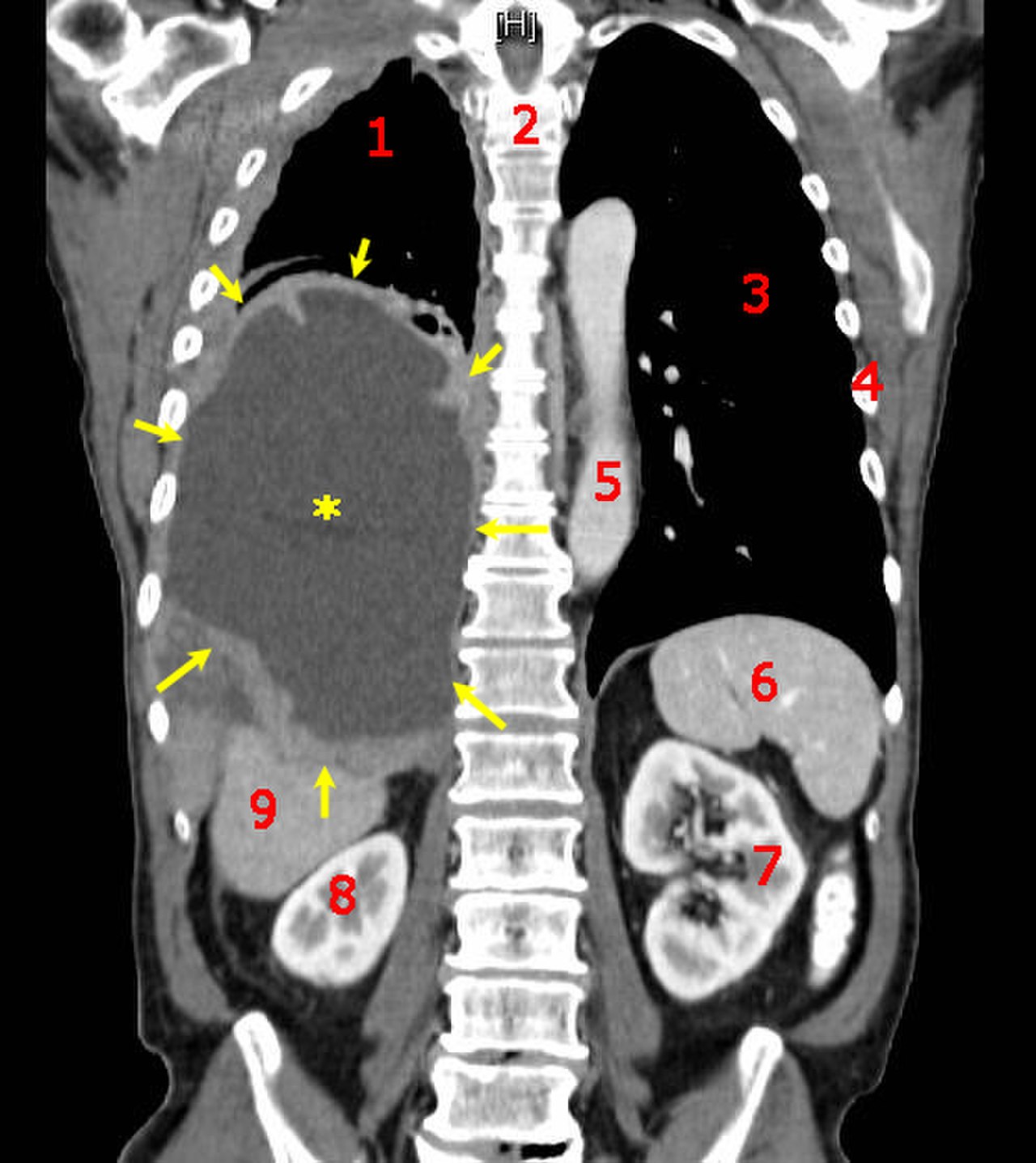
Radiation oncologists utilize ionizing radiation to eradicate cancer cells. Pathologists are essential for diagnosing cancer type and grade through tissue analysis, while radiologists interpret imaging studies that guide diagnosis and treatment monitoring. Increasingly, genetic counselors, palliative care specialists, and psycho-oncologists are integrated into care teams to provide comprehensive support.
This integrated approach ensures that patients receive personalized, evidence-based treatment plans optimized for their specific cancer and overall well-being.
Frontiers in Oncology
The field of oncology is characterized by rapid and continuous innovation. Current research frontiers include further refining targeted therapies to overcome drug resistance, developing more potent and less toxic immunotherapies, and exploring the potential of the tumor microenvironment in cancer progression and treatment response. Liquid biopsies, which detect cancer DNA in blood, are revolutionizing early detection and monitoring. The integration of artificial intelligence and machine learning is enhancing diagnostic accuracy and treatment prediction.
Ultimately, the future of oncology aims for a paradigm shift towards cancer prevention, early interception, and the management of cancer as a chronic disease, significantly improving long-term survival and quality of life for patients.
Go deeper
Frequently Asked Questions
What is oncology and why do doctors study cancer cells?+
How do cancer cells grow and spread?+
Why do doctors use different treatments like surgery, radiation, and medicine?+
How has cancer research changed over time?+
What is precision medicine and how does it help patients?+
Based on content from Wikipedia · Licensed under CC BY-SA 4.0