

Camembert: The Creamy French Cheese!
Images

Camembert


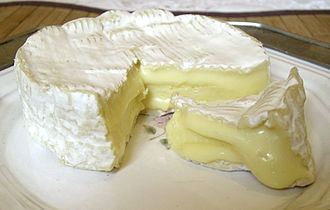


The Norman Terroir
Camembert cheese is intrinsically linked to its geographical origins in the commune of Camembert, nestled within the Normandy region of northwest France. This area is characterized by its temperate maritime climate, abundant rainfall, and fertile pastures, creating an ideal environment for dairy farming. The lush grasslands, rich in diverse flora, contribute to the high quality of milk produced by the local Norman cows.
This specific terroir – the unique combination of soil, climate, and agricultural practices – imparts subtle yet distinct characteristics to the milk, which are then expressed in the final cheese. The late 18th century saw the genesis of this cheese, a period when regional culinary traditions were solidifying. The development of Camembert is a classic example of how a specific place, with its unique natural resources and cultural heritage, can give rise to a world-renowned product.
The very name 'Camembert' is a direct geographical marker, signifying its deep connection to this particular French landscape.
Historical Trajectory
The history of Camembert cheese is often attributed to Marie Harel, a dairymaid from Camembert, who is said to have developed the recipe in 1791, supposedly based on advice from a refractory priest fleeing the French Revolution. While the exact details are debated, the late 18th century marks the emergence of this cheese as a distinct entity. Initially, it was a local, rural product, consumed within Normandy.
Its rise to national and international fame accelerated in the late 19th and early 20th centuries, partly due to innovations in transportation and refrigeration, which allowed it to be shipped further afield. The cheese was popularized by figures like Napoleon III, who is said to have been fond of it. The standardization of its production, including the introduction of the iconic wooden box, further cemented its identity and facilitated its global distribution.
This journey from a farmstead cheese to a symbol of French gastronomy is a fascinating case study in culinary evolution and marketing.
The Science and Art of Surface Ripening
Camembert's defining characteristic is its status as a surface-ripened soft cheese. This process is achieved through the controlled inoculation of the cheese curd with specific molds, primarily Penicillium camemberti (also known as Camemberti). This mold, when applied to the surface, initiates a complex biochemical transformation.
It breaks down proteins into peptides and amino acids, and fats into fatty acids, leading to the characteristic creamy, unctuous texture and the development of its distinctive aroma and flavor profile, often described as mushroomy, earthy, and slightly ammoniated when fully ripe. The white, velvety rind is not just aesthetic; it protects the interior and contributes to the ripening process. The butterfat content, typically lower than Brie (around 20-25% for Brie versus often slightly less for Camembert), can influence its perceived richness and texture.
Understanding this biological process is key to appreciating the nuanced quality of authentic Camembert.
Camembert's Place in Gastronomy and Culture
Beyond its taste and texture, Camembert holds a significant place in French culinary culture and global gastronomy. It is often seen as an ambassador of French cheese-making traditions. Its versatility allows it to be enjoyed in numerous ways: served at room temperature with bread, fruits, and nuts; baked until molten and served as a decadent appetizer; or incorporated into more complex dishes, adding a rich, creamy element.
The comparison with Brie, while common, highlights the subtle distinctions that connoisseurs appreciate. Camembert's relatively lower butterfat content compared to some other soft cheeses can make it a more accessible option for those seeking a rich flavor without excessive richness. Its enduring popularity speaks to its ability to satisfy a wide range of palates and its iconic status as a representation of French artisanal food production.
Economic and Educational Aspects of Camembert Production
The production of Camembert cheese represents a significant economic activity, particularly in its region of origin. While many large-scale producers exist, there is also a strong emphasis on artisanal and farmstead production, preserving traditional methods and local distinctiveness. The designation 'Camembert de Normandie' AOC (Appellation d'Origine Contrôlée) and AOP (Appellation d'Origine Protégée) protects its authenticity, ensuring that cheese bearing this label is made according to strict traditional rules in a defined geographical area.
This system not only safeguards the quality and heritage of the cheese but also supports local economies. Educational initiatives, including cheese-making courses, agricultural schools, and culinary tourism, play a vital role in passing down the knowledge and skills required for producing high-quality Camembert, ensuring its continued legacy and appreciation by future generations of producers and consumers.
Go deeper
Frequently Asked Questions
Where does Camembert cheese come from?+
Who invented Camembert cheese?+
How is Camembert cheese made?+
Why does Camembert have a white rind?+
How did Camembert become famous worldwide?+
Based on content from Wikipedia · Licensed under CC BY-SA 4.0