

Calcuta
Images

Kolkata - Calcuta · India




Geographical Foundations and Climatic Realities
Kolkata, formerly Calcutta, is strategically situated in the Ganges Delta in eastern India, serving as the capital of the state of West Bengal. Its location on the eastern bank of the Hooghly River, a major distributary of the Ganges, has historically been pivotal for its development as a port city and commercial center. The city's topography is predominantly flat, characterized by alluvial soil deposited by the river system.
This low-lying terrain, however, makes it susceptible to waterlogging during the intense monsoon season, which typically spans from June to September. The climate is tropical wet and dry, with hot, humid summers, a distinct rainy season, and a mild, pleasant winter from November to February. The urban landscape is a dense tapestry of old colonial architecture, modern high-rises, and informal settlements, interspersed with significant green spaces like the Maidan, one of the largest urban parks in India, which plays a crucial role in the city's environmental balance and recreational life.
Echoes of Empire and the Birth of a Modern Metropolis
Kolkata's history is deeply intertwined with the colonial era. Its origins trace back to the amalgamation of three villages – Sutanuti, Kalikata, and Gobindapur – by the British East India Company in 1690. It rapidly grew into a major administrative and commercial hub, serving as the capital of British India until 1911.
This period left an indelible mark on the city's architecture, institutions, and social fabric, evident in its grand Victorian buildings and the establishment of early centers of Western education. Kolkata was also a crucible for India's independence movement, a hotbed of intellectual and revolutionary activity. The partition of India in 1947 brought significant demographic shifts, with a large influx of refugees that profoundly impacted the city's social and economic landscape.
Today, Kolkata continues to grapple with its colonial legacy while forging a distinct identity in post-colonial India.
The Cultural Crucible
Kolkata is renowned globally as India's cultural capital, a city where intellectualism, artistic expression, and a vibrant social life converge. It has historically been a center for Bengali literature, poetry, music, and cinema, fostering a unique intellectual tradition often referred to as the 'Bengali Renaissance.' The city celebrates a multitude of festivals with unparalleled fervor, most notably Durga Puja, which transforms the urban environment into a spectacular display of artistry and devotion.
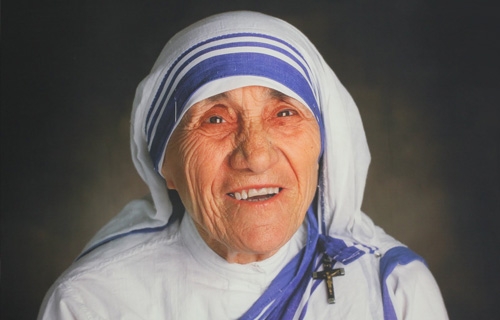
The culinary scene is equally celebrated, from iconic street food stalls to traditional sweet shops, offering a rich gastronomic experience. Kolkata has been the birthplace and home of numerous luminaries, including Nobel laureates Rabindranath Tagore and Amartya Sen, Mother Teresa, and Satyajit Ray, whose contributions have shaped global discourse and artistic endeavors. This deep-rooted cultural heritage continues to define the city's character and its people's way of life.
Economic Landscape
Historically, Kolkata's economy was dominated by industries like jute manufacturing, tea processing, and heavy engineering, leveraging its port facilities and colonial infrastructure. While these traditional sectors remain relevant, the city's economic base has diversified significantly. The service sector, particularly information technology (IT) and IT-enabled services (ITES), has emerged as a major growth engine, attracting significant investment and creating numerous employment opportunities.
Kolkata is also a key financial and commercial center for eastern India, with a robust banking sector and a thriving retail market. However, the city faces challenges related to infrastructure development, industrial revitalization, and managing a large informal economy. Efforts are underway to modernize infrastructure, promote new industries, and improve the ease of doing business to sustain its economic dynamism.
Governance and Urban Management
Kolkata's governance structure is complex, reflecting its status as a major metropolitan city and the capital of West Bengal. The primary municipal body is the Kolkata Municipal Corporation (KMC), responsible for providing essential services such as water supply, sanitation, waste management, and urban planning within its jurisdiction. The city also falls under the purview of the Kolkata Metropolitan Development Authority (KMDA), which oversees planning and development for the larger Kolkata Metropolitan Area (KMA).
The state government plays a significant role in policy-making and funding for urban infrastructure projects. Challenges in urban governance include managing rapid population growth, addressing infrastructural deficits, ensuring equitable service delivery, and tackling environmental concerns like pollution and waste management. Innovative approaches to urban planning and citizen engagement are crucial for Kolkata's sustainable development.
Educational Ecosystem
Kolkata boasts a rich and long-standing educational heritage, serving as a beacon of learning in India. The University of Kolkata, established in 1857, was one of the first multidisciplinary universities in modern India and has been instrumental in shaping intellectual thought and producing distinguished scholars across various fields. The city hosts a plethora of esteemed educational institutions, including Presidency University, Jadavpur University (renowned for its engineering and science programs), and numerous affiliated colleges offering diverse undergraduate and postgraduate courses.
Beyond higher education, Kolkata has a well-established network of schools, both public and private, catering to primary and secondary education. The city's academic environment fosters a strong emphasis on humanities, sciences, and the arts, contributing significantly to its reputation as an intellectual hub and a destination for students seeking comprehensive educational opportunities.
See also
Frequently Asked Questions
What is Calcuta and where is it located?+
Why is the Maidan important in Calcuta?+
How does the weather change in Calcuta during the year?+
Who are some famous people from Calcuta?+
What is special about festivals in Calcuta?+
Based on content from Wikipedia · Licensed under CC BY-SA 4.0