

Burj al-Arab
Images

Billiard room Burj Al-Arab


![Burj Al Arab [The only 7 stars hotel]](https://live.staticflickr.com/161/392782467_81b18f5217_n.jpg)
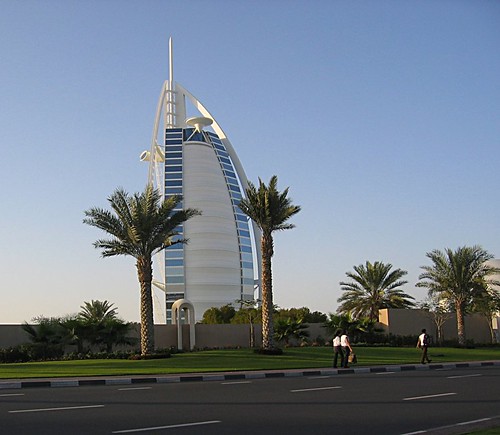


Conceiving a Landmark
The genesis of the Burj al-Arab was rooted in a desire by Dubai's leadership to create a globally recognized symbol of the emirate's burgeoning status as a luxury tourist destination. The vision was to build a structure that was not only architecturally unique but also an engineering marvel. The decision to construct it on an artificial island, approximately 280 meters offshore, was a deliberate choice to enhance its visual prominence and create a sense of exclusivity.
This required overcoming significant geotechnical challenges, including the design and installation of a foundation system capable of withstanding the dynamic forces of the sea and supporting the immense weight of the superstructure. The island itself was built using 250 concrete pillars sunk 50 meters into the seabed, a complex process that ensured stability and longevity for the ambitious project.
Structural Ingenuity
The iconic sail-like form of the Burj al-Arab is more than just aesthetic; it's a sophisticated engineering solution. The structure stands at 321 meters (1,053 feet), making it one of the world's tallest hotels. Its distinctive silhouette is achieved through a massive steel exoskeleton that wraps around the building, providing structural support and enabling the dramatic cantilevers.
This external framework allows for the vast, open interior spaces, including the breathtaking 180-meter-high atrium, which is the largest in the world. The use of advanced materials and construction techniques was crucial to achieving the desired form while ensuring the building's integrity against wind loads and the corrosive marine environment. The design also optimizes views, with the 'mast' of the sail housing the hotel's premium suites and the 'wings' offering panoramic vistas.
Redefining Luxury
Upon its opening in 1999, the Burj al-Arab was widely publicized as the world's first 'seven-star' hotel, a designation that, while unofficial, perfectly encapsulated its unprecedented level of opulence and service. This marketing strategy, though not formally recognized by any rating system, successfully positioned the hotel at the pinnacle of global luxury hospitality. The interior design features lavish materials, including gold leaf, marble, and intricate mosaics, creating an atmosphere of extreme indulgence.
The hotel offers exclusively duplex suites, each attended by a personal butler, further emphasizing its commitment to bespoke guest experiences. This focus on unparalleled luxury and personalized service cemented its reputation and influenced subsequent high-end hotel developments worldwide.
Cultural Resonance and Architectural Legacy
The Burj al-Arab has transcended its function as a hotel to become a potent symbol of Dubai's rapid modernization and its aspiration to be a global hub for tourism and business. Its distinctive silhouette is instantly recognizable and has become synonymous with the city's skyline, appearing in countless photographs, films, and promotional materials. The building represents a bold statement of architectural ambition and a successful fusion of innovative design with cultural inspiration, drawing parallels to traditional Arabian sailing vessels.
Its impact extends beyond mere aesthetics; it has played a significant role in shaping Dubai's international image and attracting investment and tourism, demonstrating the power of iconic architecture in urban development and branding.
Illumination and Enduring Appeal
The visual spectacle of the Burj al-Arab is amplified by its sophisticated lighting system. The building is illuminated nightly with a dynamic display of colored lights, transforming it into a beacon on the Dubai coastline. This external illumination not only enhances its architectural features but also contributes to the vibrant nocturnal landscape of the city.
The combination of its unique form, extreme luxury, and dazzling presentation ensures the Burj al-Arab's enduring appeal. It continues to be a benchmark for architectural innovation and a testament to the ambitious vision that has propelled Dubai onto the world stage, inspiring awe and admiration from visitors and architects alike.
See also
Frequently Asked Questions
What is the Burj al-Arab?+
Why is the Burj al-Arab shaped like a sail?+
How did the Burj al-Arab stay standing on the sea?+
When did the Burj al-Arab open and why was it called a seven-star hotel?+
Where can you see the Burj al-Arab in pictures and movies?+
Based on content from Wikipedia · Licensed under CC BY-SA 4.0