

Brick Lane: London's Spicy Street!
Images
![[London] Brick Lane](https://live.staticflickr.com/2737/4438692035_c6cc58d76e.jpg)
[London] Brick Lane

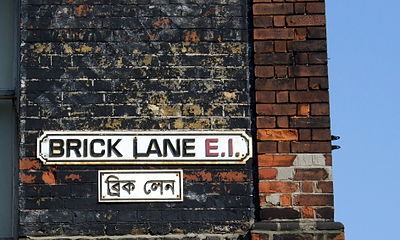


![[London] Brick Lane](https://live.staticflickr.com/4013/4427206246_1538d0ce82.jpg)


![[London] Brick Lane](https://live.staticflickr.com/4033/4427206068_e168627ebd.jpg)


The Genesis of a Cultural Enclave
Brick Lane, nestled within London's historic East End in the borough of Tower Hamlets, represents a compelling case study in urban transformation driven by migration. Initially a street with a more varied industrial and residential past, its character began to profoundly shift with the arrival of significant numbers of immigrants from Bangladesh, particularly from the Sylhet region. This influx, which gained momentum from the mid-20th century onwards, was not merely a demographic change but a cultural infusion.
The settlers brought with them their distinct culinary traditions, entrepreneurial spirit, and social customs, gradually reshaping the streetscape and its economic activities. The establishment of numerous curry houses became a visible manifestation of this new cultural presence, transforming Brick Lane into a vibrant and recognizable hub for the Bangladeshi diaspora in the United Kingdom. This process highlights how diasporic communities actively construct and assert their identity within urban environments, creating spaces that are both familiar to them and exotic to outsiders.
Forging 'Banglatown'
The designation of the area around Brick Lane and Spitalfields as 'Banglatown' in 1997 was a significant moment, marking a formal recognition and celebration of the strong Bangladeshi identity that had taken root. This branding effort, while sometimes debated, served to consolidate the community's presence and attract wider attention, both culturally and economically. The subsequent renaming of the electoral ward to Spitalfields & Banglatown in 2002 further solidified this identity within the local administrative structure. 'Banglatown' signifies more than just a collection of businesses; it represents a cohesive community that has established deep social networks, cultural institutions, and a shared sense of place.
It underscores the success of the Bangladeshi community in not only integrating into British society but also in carving out a distinct and celebrated cultural space within the multicultural mosaic of London.
The Culinary Powerhouse
Brick Lane's global reputation is inextricably linked to its extraordinary concentration of Bangladeshi restaurants. These establishments are not merely eateries; they are the vibrant epicenters of a culinary heritage that draws patrons from across the globe. The sheer density and variety of curry houses offer an unparalleled gastronomic experience, showcasing the depth and breadth of Bangladeshi cuisine.
From traditional curries rich with aromatic spices to more contemporary interpretations, the restaurants on Brick Lane provide a sensory journey into the heart of this South Asian culinary tradition. This concentration has fostered a competitive yet collaborative environment, driving innovation and maintaining high standards, thereby cementing Brick Lane's status as a premier destination for authentic South Asian food and a significant contributor to London's diverse food scene.
Beyond Cuisine
While the culinary offerings are a primary draw, Brick Lane's significance transcends its gastronomic fame. It functions as a vital social and cultural nexus for the Bangladeshi community, serving as a gathering point for celebrations, religious festivals, and community events. The street provides a tangible link to ancestral heritage for many, fostering intergenerational connections and the transmission of cultural knowledge.
Furthermore, Brick Lane's story is a powerful illustration of how immigrant communities contribute to the dynamism and multicultural richness of global cities. It demonstrates the capacity of these communities to adapt, thrive, and create unique cultural landscapes that enrich the urban fabric, offering insights into themes of identity, belonging, and the complex interplay between migration and urban development.
See also
Based on content from Wikipedia · Licensed under CC BY-SA 4.0