

Curry
Images
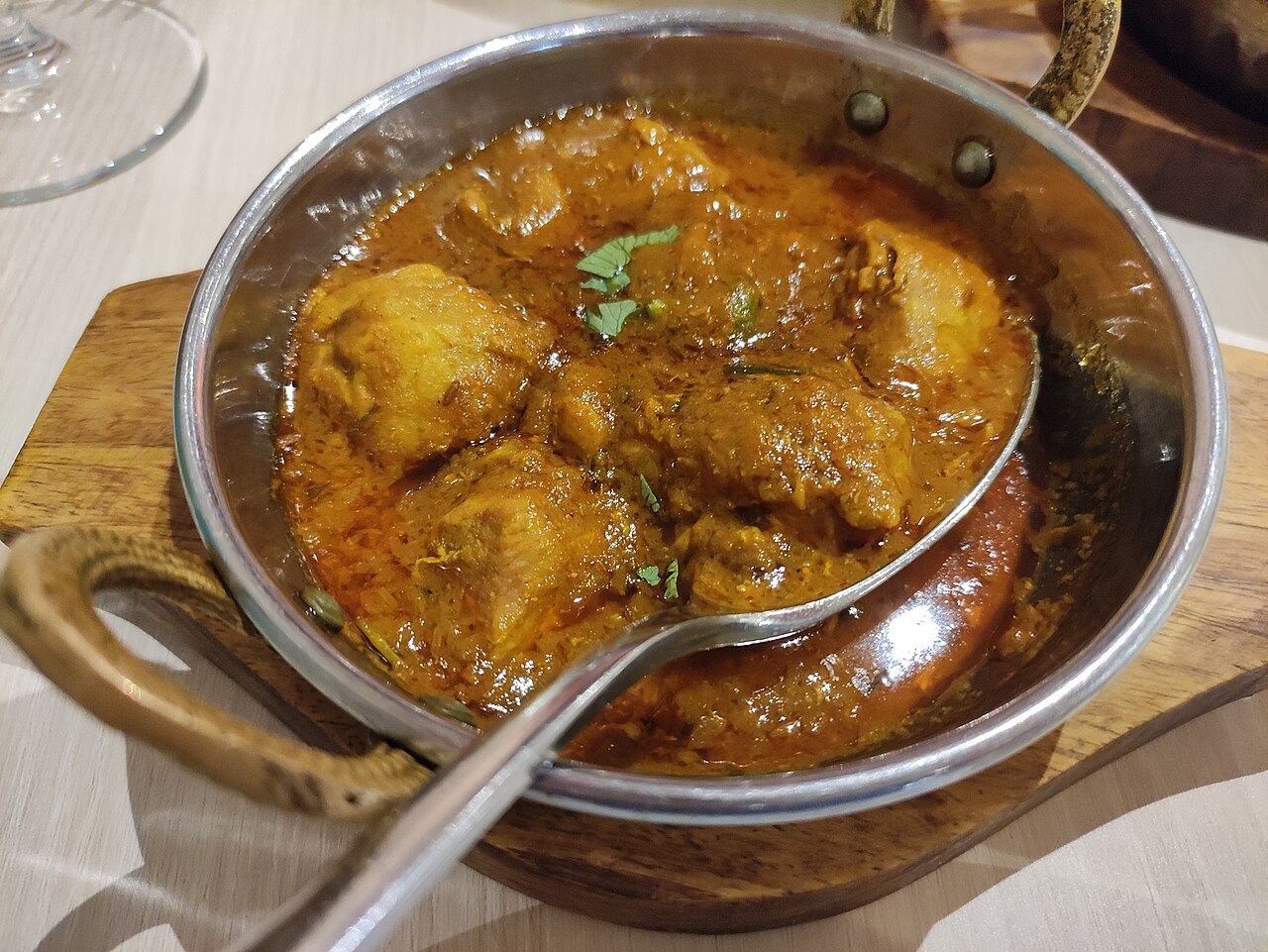
Curry
The Genesis and Dissemination of Curry
The concept of 'curry' is deeply embedded in the culinary history of the Indian subcontinent, with evidence of spice use in cooking dating back millennia. Ancient Indian texts describe complex spice mixtures and cooking techniques that laid the groundwork for what we now recognize as curry. The term 'curry' itself is a colonial construct, likely derived from the Tamil word 'kari' meaning 'sauce' or 'relish,' which the British used to categorize the vast array of spiced dishes they encountered.
The expansion of trade routes, particularly during the Mughal Empire and later through European colonial powers, was instrumental in disseminating these culinary traditions. Indian merchants, soldiers, and indentured laborers carried their spice knowledge and cooking methods across continents. This diaspora led to the development of distinct regional curry traditions in Southeast Asia (e.g., Thai green curry, Malaysian rendang), East Africa (e.g., Ethiopian wat), the Caribbean (e.g., Trinidadian curry chicken), and even influenced British cuisine, leading to the popularization of dishes like Chicken Tikka Masala.
This global spread is a testament to the adaptability and universal appeal of spiced, sauced dishes.
The Art and Science of Spice Blending in Curry
At its core, curry is defined by its sophisticated use of spices, which are not merely added for flavor but are integral to the dish's structure and character. The creation of a 'masala' – a paste or powder blend of ground spices – is a crucial step. Common spices like turmeric, cumin, coriander, and fenugreek form the aromatic foundation, providing warmth, earthiness, and subtle bitterness. Ginger and garlic are almost universally employed as pungent aromatics. Heat is typically introduced via chili peppers, with the type and quantity dictating the dish's intensity.
Beyond these staples, regional variations incorporate a vast array of other spices, such as cardamom, cloves, cinnamon, mustard seeds, star anise, and dried chilies, each contributing unique notes. The process of 'tempering' or 'tadka' – frying whole spices in hot oil or ghee to release their essential oils – is another vital technique that infuses the dish with layered flavors. The careful balance and combination of these spices are what elevate a simple stew into a complex and satisfying curry.
Curry's Socio-Cultural Resonance and Economic Footprint
Curry transcends its role as mere sustenance, holding profound socio-cultural and economic importance globally. In its regions of origin, it is deeply interwoven with daily life, religious practices, and celebratory feasts, serving as a powerful symbol of hospitality, family, and cultural heritage. The communal act of sharing a curry dish often reinforces social bonds and transmits culinary traditions across generations.
On a global scale, curry has become a significant economic driver. The international curry industry, encompassing restaurants, food products, and spice trade, generates billions of dollars annually. The popularity of Indian cuisine, largely represented by its diverse curries, has fueled this economic growth.
Furthermore, the perceived health benefits of many curry spices, particularly turmeric with its active compound curcumin, have spurred interest in functional foods and natural remedies, adding another dimension to curry's global appeal and economic relevance.
Contemporary Interpretations and the Future of Curry
The evolution of curry continues in the modern era, marked by innovation and fusion. Chefs worldwide are reinterpreting traditional curry recipes, experimenting with novel ingredients and techniques. This includes incorporating global influences, such as using non-traditional proteins or vegetables, and employing modern culinary methods.
The rise of plant-based diets has also led to a surge in creative vegan and vegetarian curries, showcasing the versatility of spices and plant-based ingredients. Furthermore, advancements in food science are exploring the potential health benefits of curry spices more deeply, potentially leading to new applications in pharmaceuticals and nutraceuticals. The accessibility of information online has also empowered home cooks to explore authentic curry recipes from various regions, fostering a greater appreciation for its diversity.
As culinary landscapes continue to shift, curry remains a dynamic and enduring dish, constantly reinventing itself while honoring its rich heritage.
Go deeper
Frequently Asked Questions
What is curry?+
Where did curry come from?+
Why do people add so many spices to curry?+
How do people make the spices in curry?+
Why is curry popular around the world?+
Based on content from Wikipedia · Licensed under CC BY-SA 4.0