

Brick: Building Blocks of Our World!
Images
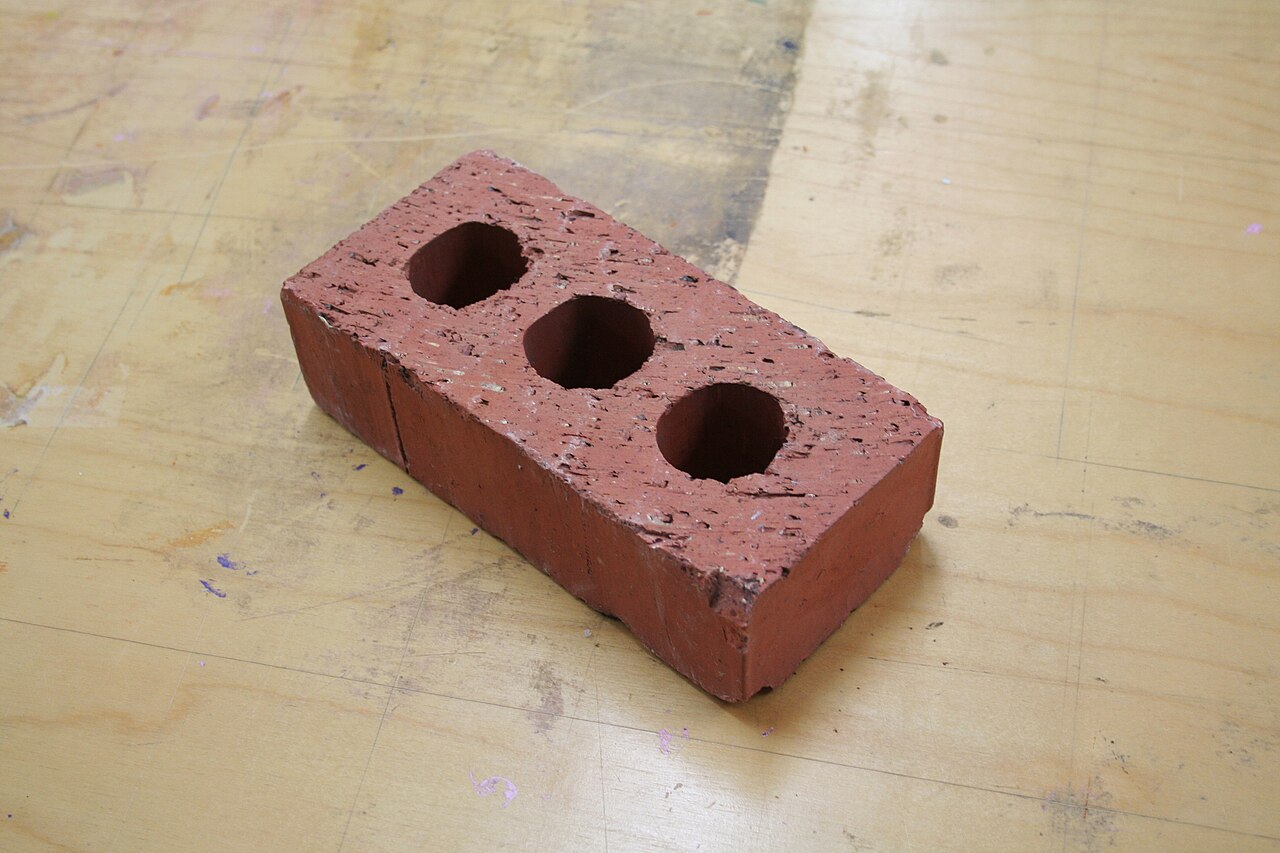
Brick
The Genesis of Brick
The invention of the brick represents a pivotal moment in human history, marking a transition from ephemeral shelters to durable, permanent structures. Archaeological evidence points to the Fertile Crescent, specifically Mesopotamia, as the birthplace of brickmaking around the 8th millennium BCE. Initially, these were unfired, sun-dried bricks (adobe), a technique still used today in arid regions.
The critical advancement came with the development of firing techniques, likely in the 4th millennium BCE, which transformed clay into a robust ceramic material. This firing process, conducted in kilns, imbues bricks with superior strength, water resistance, and durability, enabling the construction of monumental architecture like ziggurats and early cities. The Romans further refined brick production and application, developing standardized sizes and sophisticated bonding patterns (like the opus latericium) that allowed for the construction of vast empires, from Hadrian's Wall to the Pantheon's dome, demonstrating brick's capacity for both utilitarian and grand architectural expression.
Material Science of Fired Clay
The remarkable properties of fired bricks are rooted in the complex physical and chemical transformations that occur during the kiln process. Clay, the primary raw material, is a heterogeneous mixture of hydrated aluminum silicates, often containing impurities like iron oxides, calcium carbonate, and quartz. When mixed with water, these particles form a plastic mass that can be molded. The firing stage is crucial: temperatures typically range from 900°C to 1,200°C (1,652°F to 2,192°F).
At these temperatures, dehydration occurs, followed by the decomposition of carbonates and the sintering process. Sintering involves the fusion of clay particles, creating a dense, vitrified structure with minimal porosity. The specific mineral composition of the clay and the precise firing conditions dictate the brick's final characteristics, including its color (due to iron oxidation), strength, and water absorption rate.
Modern bricks can be engineered with specific additives to enhance properties like insulation or frost resistance.
Brick's Enduring Relevance
In contemporary construction, bricks continue to offer a compelling blend of performance and sustainability. Their inherent durability translates to long building lifespans, reducing the need for frequent replacement and associated resource consumption. Bricks possess significant thermal mass, absorbing and slowly releasing heat, which can passively regulate indoor temperatures, thereby decreasing reliance on energy-intensive HVAC systems.
This contributes to energy efficiency and lower operational carbon footprints for buildings. Furthermore, bricks are non-combustible, offering excellent fire safety, a critical factor in urban environments. From a material perspective, bricks are often made from locally sourced materials, minimizing transportation emissions.
At the end of a building's life, bricks can often be crushed and reused as aggregate or recycled, aligning with circular economy principles. Architecturally, bricks provide a rich palette for design, offering diverse textures, colors, and bonding patterns that contribute to aesthetic appeal and urban character.
Global Brick Traditions and Modern Innovations
Brick architecture is a global phenomenon, with distinct regional traditions shaped by available materials, climate, and cultural practices. From the intricate Dutch gables of Northern Europe to the robust, earth-toned structures of the American Southwest, brick has been adapted worldwide. Modern innovations are expanding the possibilities of brick construction.
Engineers and architects are exploring new bonding techniques, thin brick veneers for lighter structures, and the integration of insulation within or alongside brickwork. The development of specialized bricks, such as perforated bricks for improved ventilation or bricks with integrated solar cells, showcases the material's adaptability. Computational design tools also allow for the creation of complex, curved, or parametrically designed brick facades that were previously unimaginable, pushing the boundaries of traditional bricklaying while still leveraging the material's fundamental strengths and aesthetic qualities.
Go deeper
Frequently Asked Questions
What are bricks made from?+
How did bricks become stronger?+
Why do old bricks sometimes have red or brown colors?+
How do bricks help keep buildings warm or cool?+
Can bricks be reused after a building is finished?+
Based on content from Wikipedia · Licensed under CC BY-SA 4.0