

Braunschweig
Images

Braunschweig Altstadtrathaus mit Brunnen




Geographical Anchors
Braunschweig's identity is deeply rooted in its geography. Situated in Lower Saxony, Germany, its northern location places it just north of the imposing Harz Mountains. The city's defining feature is the Oker River, which serves not merely as a scenic element but as a crucial artery.
As the farthest navigable point on the Oker, Braunschweig leverages this connection through the Aller and Weser rivers to reach the North Sea. This historical and ongoing connectivity has been fundamental to its development as a trading center and remains relevant for modern logistics. The city's urban planning also reflects a conscious effort to balance development with nature; a significant portion of its area is dedicated to green spaces, including parks and forests, contributing to a higher quality of life and environmental sustainability despite its dense urban core.
This careful management of space, with 81% of residential buildings being multi-storey apartments, highlights a strategy to accommodate population growth while preserving natural landscapes.
From Hanseatic Powerhouse to Modern Capital
Braunschweig's historical trajectory is marked by periods of significant influence and political importance. Its zenith as a commercial center was during the medieval era when it proudly served as a member of the Hanseatic League from the 13th to the 17th century. This league was a formidable economic and defensive confederation of merchant guilds and market towns in Northwestern and Central Europe, and Braunschweig's participation underscored its wealth and strategic importance.
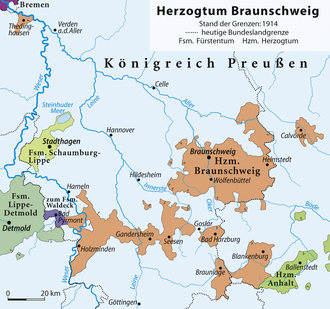
Beyond its mercantile prowess, the city has been the capital of three distinct political entities: the Principality of Brunswick-Wolfenbüttel, the Duchy of Brunswick, and the Free State of Brunswick. These successive roles demonstrate its enduring significance as a political and administrative hub, shaping regional governance and identity for centuries. Even today, it is recognized as an important 'regiopolis,' a term denoting a city that functions as a central hub for its region, possessing characteristics of a metropolitan city on a smaller scale.
A Tapestry of Cultures
Braunschweig stands out as a beacon of diversity within Lower Saxony. While it is the second-largest city in the state, its demographic makeup is particularly noteworthy. The broader Braunschweig-Wolfsburg-Salzgitter region boasts over a million residents, with nearly half possessing a migration background, making it the most diverse urban agglomeration in the state.
This diversity is not confined to a single origin; immigrants come from various European countries, Asia, and Africa, contributing a rich mosaic of cultures, traditions, and perspectives. Furthermore, a significant percentage of the German population residing in Braunschweig originates from different parts of the country, particularly North Rhine-Westphalia, Hessen, and the former East German states. This internal migration further enriches the city's social fabric, creating a dynamic and cosmopolitan environment where different backgrounds coexist and interact, fostering a unique cultural landscape.
The Engine of Innovation
In contemporary times, Braunschweig has firmly established itself as a leading center for scientific research and development. This focus on innovation is a cornerstone of its modern economy, attracting talent and fostering advancements across various fields. The city is a hub for cutting-edge research, driving progress and contributing to Germany's reputation as a leader in technology and science.
This intellectual capital translates into economic strength, with industries benefiting from the constant influx of new ideas and skilled professionals. The city's strategic planning also looks towards the future, with initiatives aimed at accommodating population growth, such as projected increases by 2030. This forward-thinking approach ensures that Braunschweig remains a dynamic and evolving city, prepared to meet the challenges and opportunities of the 21st century while building upon its rich historical foundations.
Go deeper
Frequently Asked Questions
What is Braunschweig?+
Where is Braunschweig located?+
Why is the Oker River important to Braunschweig?+
How does Braunschweig balance city life and nature?+
What makes Braunschweig special today?+
Based on content from Wikipedia · Licensed under CC BY-SA 4.0