

Barbados: The Sunny Island Adventure!
Images
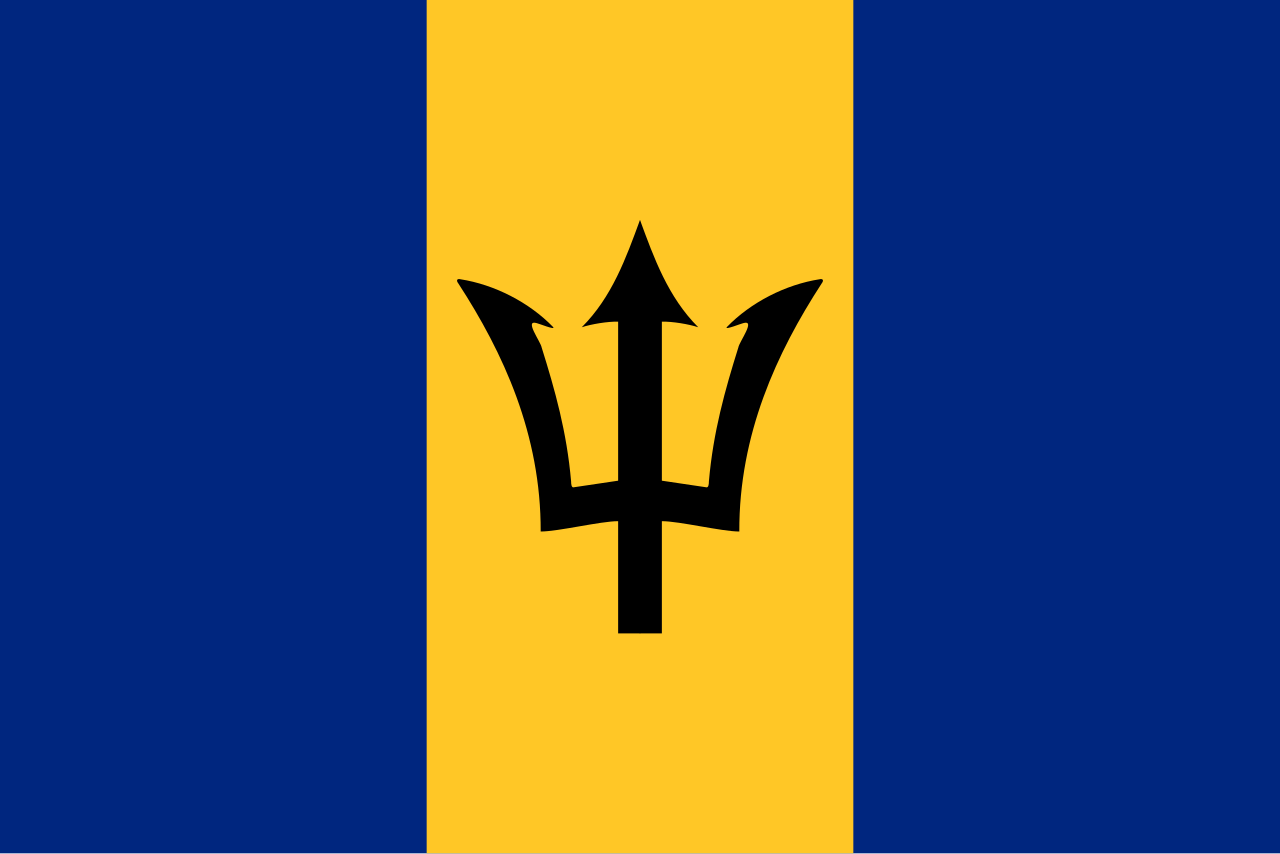
Barbados


Geostrategic Location and Geological Identity
Barbados occupies a distinctive geographical position as the easternmost island of the Lesser Antilles, situated in the Atlantic Ocean rather than the Caribbean Sea proper. This placement places it on the boundary between the South American and Caribbean tectonic plates, a geological characteristic that influences its landscape, which is primarily composed of coral reefs and limestone. Unlike many of its Caribbean neighbors, Barbados is not volcanic in origin.
Its location has historically made it a significant maritime point, influencing trade routes and its role in global exploration. The island's climate is tropical, characterized by consistent warmth and humidity, with distinct wet and dry seasons, further shaping its ecosystems and human activities.
A Palimpsest of Peoples and Colonial Legacies
The human history of Barbados is a complex narrative of successive inhabitation and colonization. Initially settled by Indigenous peoples, including the Kalinago, the island was later claimed by the Spanish in the late 15th century, appearing on maps by 1511. The Portuguese briefly asserted control before abandoning it, leaving behind introduced fauna like wild boars.
English settlement began in earnest in 1627, transforming Barbados into a Crown colony. Its economic development was heavily reliant on a plantation system, initially utilizing indentured labor from Ireland and subsequently, for over two centuries, the forced labor of enslaved Africans. This period of slavery profoundly shaped the island's demographics, social structure, and cultural heritage, leaving indelible marks that continue to be explored and understood.
The Evolution of Sovereignty
Barbados has navigated a significant political evolution, transitioning from a British colony to a sovereign state. On November 30, 1966, the island achieved independence, becoming a Commonwealth realm with Queen Elizabeth II as its head of state. This marked a pivotal moment in its national identity.
Demonstrating a commitment to further self-determination and republican ideals, Barbados transitioned to a parliamentary republic on November 30, 2021. This constitutional shift replaced the British monarch with a ceremonial president, signifying a complete break from its monarchical past and reinforcing its status as a fully independent nation within the Commonwealth framework.
Cultural Synthesis and Socioeconomic Dynamics
The population of Barbados is predominantly of African descent, a direct legacy of the transatlantic slave trade. This ancestry forms the bedrock of its vibrant culture, which is a dynamic fusion of African traditions, European influences, and Caribbean expressions. This cultural richness is evident in its music, dance, festivals, and culinary arts, which are celebrated both locally and internationally.
Despite its geographical isolation in the Atlantic, Barbados is intrinsically linked to the Caribbean region and is recognized as a premier tourist destination, a sector that significantly drives its economy. The nation places a high value on education, fostering a literate populace and a skilled workforce that contributes to its economic stability and development.
Economic Pillars and Global Engagement
Historically, Barbados's economy was dominated by the sugar industry, a direct consequence of its plantation past. While sugar production remains, the island has successfully diversified its economic base. Tourism has emerged as the primary engine of its economy, attracting visitors with its pristine beaches, clear waters, and rich cultural heritage. The financial services sector has also grown significantly, positioning Barbados as an offshore financial center.
The country actively engages in international trade, exporting goods such as rum and manufactured products, while importing essential commodities. Its strategic location and stable political environment make it an attractive hub for international business and investment, underscoring its role as a key player in the regional and global economy.
Go deeper
Based on content from Wikipedia · Licensed under CC BY-SA 4.0