

Aurangzeb
Images
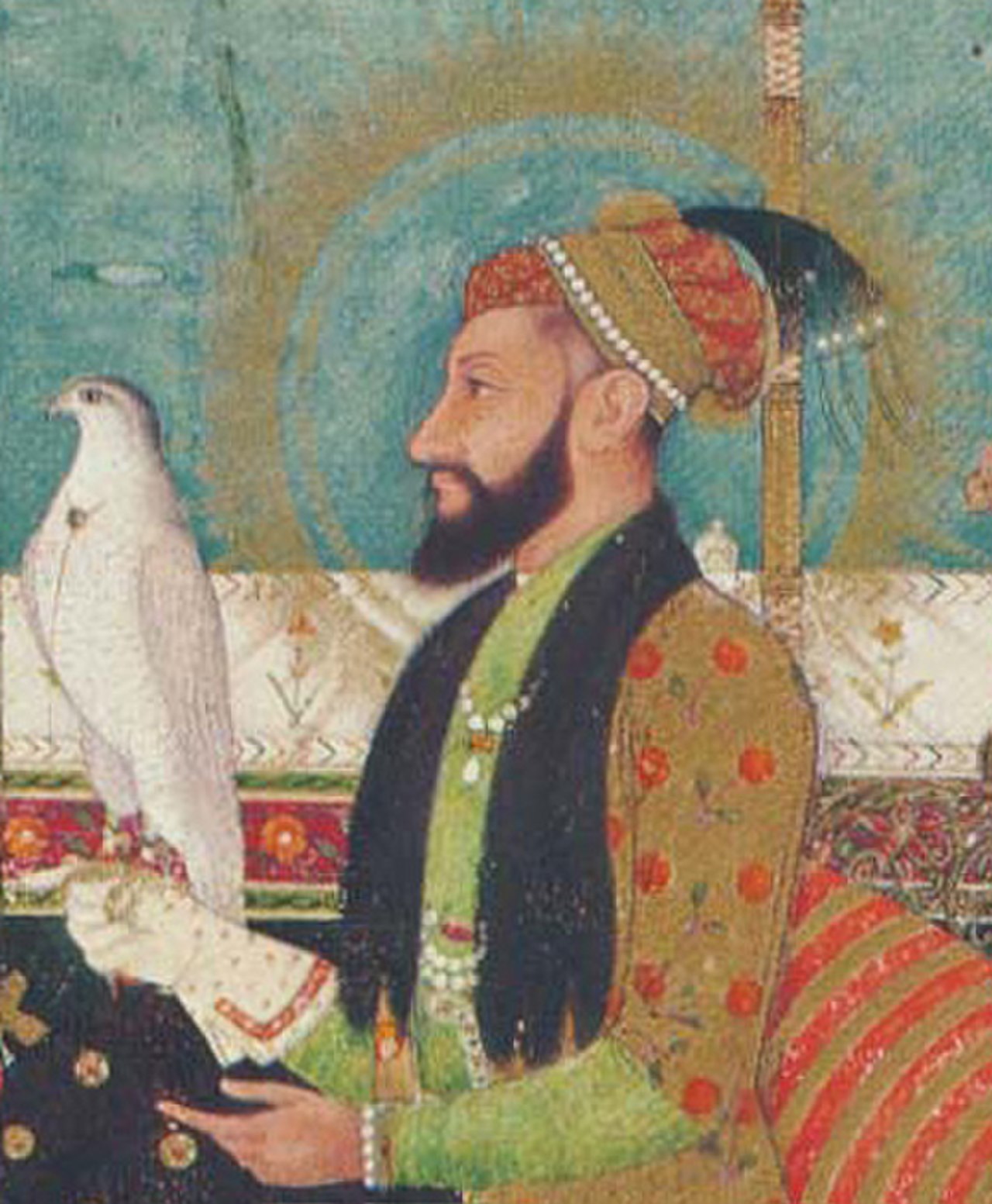
Aurangzeb
Ascension to Power
Muhi al-Din Muhammad, later known as Aurangzeb Alamgir I, was born on November 3, 1618. His path to the imperial throne was fraught with conflict, a stark departure from the more peaceful successions of some of his predecessors. As the third son of Emperor Shah Jahan, Aurangzeb held significant administrative and military posts, serving as viceroy of the Deccan and governor of Gujarat, demonstrating his early competence.
However, the succession crisis ignited in 1657 when Shah Jahan, recovering from illness, nominated his eldest son, Dara Shikoh, as his successor. Aurangzeb, who viewed himself as more capable and religiously orthodox, repudiated this nomination. He launched a military campaign, culminating in decisive victories against his brothers and their allies at the Battle of Dharmat in April 1658 and the pivotal Battle of Samugarh in May 1658.
These triumphs secured his claim to the throne. Following his coronation in July 1658, he declared his ailing father unfit to rule and confined him to the Agra Fort, a move that solidified his absolute control over the vast Mughal Empire and marked a significant turning point in Mughal dynastic history.
Imperial Zenith
Aurangzeb's reign, spanning nearly half a century from 1658 to 1707, is characterized by the Mughal Empire's greatest territorial extent. His military campaigns and strategic annexations brought nearly the entirety of the Indian subcontinent under Mughal suzerainty, making it one of the largest empires in Indian history. This vast territorial control was mirrored by unprecedented economic power.
Under his rule, the Mughal Empire surpassed Qing China to become the world's largest economy and the foremost manufacturing power. This economic might was supported by a continuously improving and formidable military, recognized as one of the strongest globally. The empire's wealth and influence were substantial, impacting global trade networks.
Aurangzeb's administrative acumen, combined with his military prowess, created an era of immense imperial strength and prosperity, laying the foundation for the empire's peak influence.
Religious Orthodoxy and Administrative Consolidation
A devout Muslim, Aurangzeb's reign was deeply influenced by his religious convictions. He is credited with the construction of numerous mosques and the patronage of Arabic calligraphy, reflecting his commitment to Islamic culture and art. Administratively, he implemented the Fatawa-i Alamgiri, a comprehensive digest of Islamic jurisprudence, which served as the principal regulating body of the empire.
This code aimed to enforce Islamic law and prohibit activities deemed religiously forbidden. While he maintained cordial relations with foreign governments, his domestic policies were marked by a desire for religious and administrative uniformity. He successfully suppressed several local revolts, demonstrating his firm control over the empire.
His emphasis on religious orthodoxy and centralized administration shaped the character of the Mughal state during his rule, distinguishing it from the more syncretic approaches of his predecessors.
The Enduring Debate
Aurangzeb's legacy remains a subject of intense historical debate. Critics often point to his policies towards non-Muslims and his conservative interpretation of Islam as evidence that he abandoned the pluralistic traditions of earlier Mughal emperors like Akbar. They cite instances of religious discrimination and the imposition of stricter Islamic laws as detrimental to the empire's diverse population.
Conversely, other scholars argue that these assertions are an oversimplification. They contend that Aurangzeb opposed bigotry and that his administration employed a significant number of Hindus, often more than his predecessors. They suggest that his actions were often driven by political necessity or a desire for order rather than pure religious intolerance.
This complex legacy, marked by both imperial grandeur and religious controversy, continues to fuel scholarly discussion about the nature of Mughal rule and its impact on the Indian subcontinent.
Go deeper
Based on content from Wikipedia · Licensed under CC BY-SA 4.0