

Ashgabat: The City of White Marble!
Images
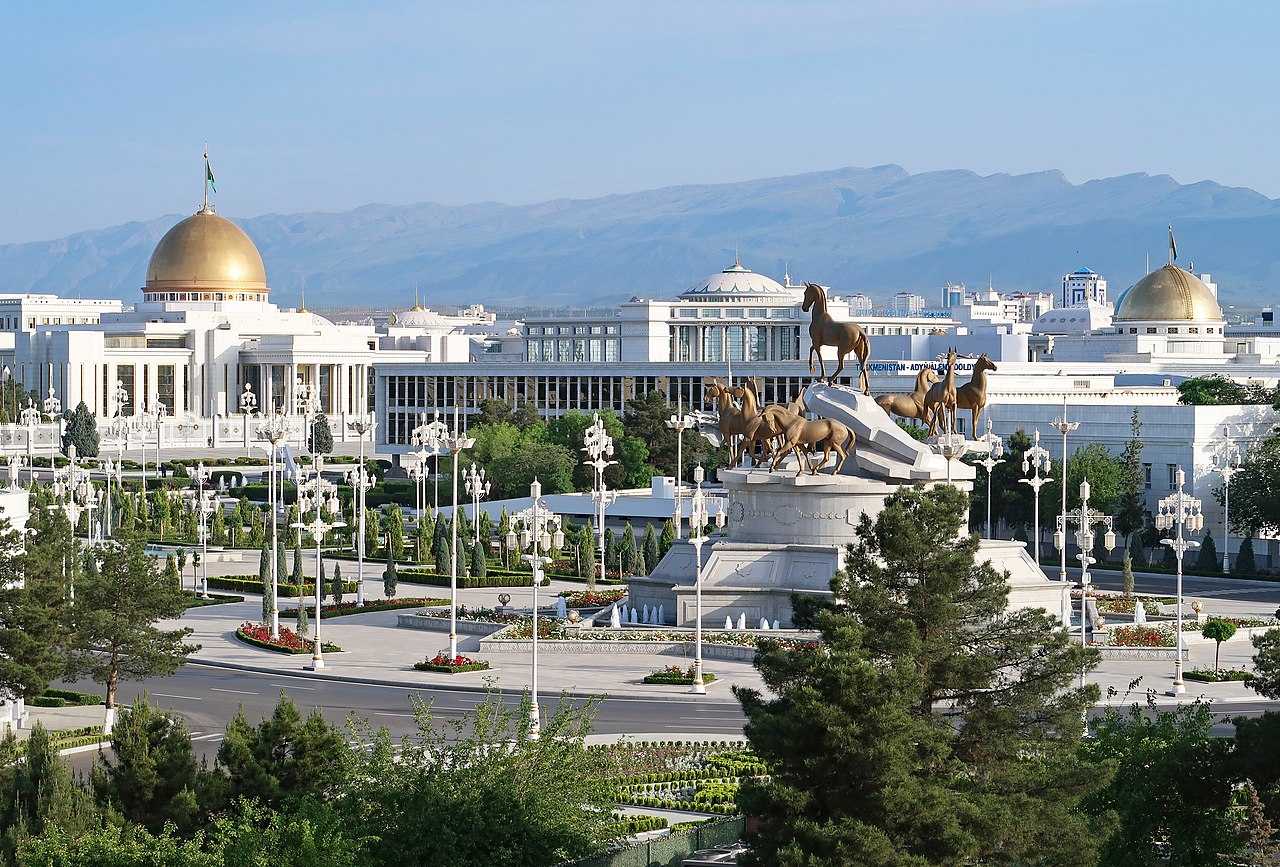
Ashgabat


Geopolitical Crossroads
Ashgabat, the capital and largest city of Turkmenistan, occupies a geographically significant position in Central Asia. Nestled between the vast, arid expanse of the Karakum Desert to the north and the imposing Kopetdag mountain range to the south, the city exists in a dramatic natural amphitheater. This unique juxtaposition of desert and mountain not only shapes its environment but also its historical development and strategic importance.
Located approximately 50 kilometers from the Iran-Turkmenistan border, Ashgabat serves as a crucial gateway, influencing regional dynamics and trade. The presence of the Karakum Canal, an ambitious Soviet-era project diverting water from the Amu Darya river, is a testament to human efforts to sustain life and development in this challenging, arid landscape, underscoring the city's reliance on both natural resources and engineered solutions.
Resilience and Reinvention
The urban fabric of Ashgabat tells a story of dramatic transformation and resilience. Founded in 1881 on the site of an Ahal Teke tribal village, the city rapidly evolved, becoming the capital of the Turkmen Soviet Socialist Republic in 1924. Its trajectory was profoundly altered by the catastrophic 1948 Ashgabat earthquake, which leveled much of the existing city.
The subsequent rebuilding efforts, particularly under the leadership of Saparmurat Niyazov, ushered in the 'White City' urban renewal project. This initiative saw the extensive use of white marble, a costly and visually striking material, to clad monumental government buildings, palaces, and public spaces. This architectural style, while creating a unique and gleaming urban landscape, also reflects a deliberate effort to project an image of national grandeur and stability, transforming Ashgabat into a city of monumental, almost surreal, beauty.
A Tapestry of Peoples
Ashgabat's population, exceeding one million as of the 2022 census, is characterized by its multiethnic composition, with ethnic Turkmen forming the majority. As the capital of an independent Turkmenistan, the city serves as the primary hub for national culture, governance, and economic activity. The celebration of its 140th anniversary of written history in 2021 highlights a conscious effort to foster a distinct national identity rooted in historical continuity.
The city's cultural landscape is a complex interplay of its nomadic heritage, Soviet-era influences, and contemporary aspirations. This blend is reflected in its social structures, traditions, and the daily lives of its diverse inhabitants, making Ashgabat a microcosm of Turkmenistan's evolving national character.
The Engine of the Nation
As the capital city, Ashgabat functions as the administrative and economic nucleus of Turkmenistan. While specific industrial outputs are not detailed in the provided source, capital cities typically concentrate government ministries, state-owned enterprises, financial institutions, and major service sectors. The ambitious 'White City' project itself implies significant investment in construction and infrastructure, likely driving a substantial portion of the local economy.
Furthermore, Ashgabat's role as a political center means it is the locus of national policy-making and international relations. The city's development is intrinsically linked to the nation's resource wealth, particularly its significant natural gas reserves, which fund large-scale urban projects and shape its economic trajectory. The Karakum Canal's presence also points to the critical importance of resource management, particularly water, in sustaining urban life and agriculture in the region.
Education and Knowledge in the Capital
While the provided source does not offer specific details about Ashgabat's educational institutions, as the capital city, it undoubtedly houses the nation's premier educational facilities. These would typically include Turkmenistan's main universities, research centers, and specialized academies, attracting students from across the country. The emphasis on monumental architecture and national development suggests a strong focus on fields such as engineering, architecture, and public administration.
Higher education in Ashgabat would play a crucial role in training the skilled workforce necessary for managing the country's resources, developing its infrastructure, and maintaining its unique urban environment. The city likely serves as the intellectual heart of Turkmenistan, fostering innovation and shaping future generations.
Go deeper
Frequently Asked Questions
What makes Ashgabat called the "City of White Marble"?+
Where is Ashgabat located between a desert and mountains?+
Why did Ashgabat rebuild with white marble after the earthquake?+
How many people live in Ashgabat?+
What is the Karakum Canal and why is it important for Ashgabat?+
Based on content from Wikipedia · Licensed under CC BY-SA 4.0